Italy’s most popular tourist destinations are introducing new access fees and crowd-control measures this summer in an effort to manage the influx of visitors and preserve cultural heritage sites. These changes, announced by local authorities and detailed by VisaHQ, aim to ease overcrowding and enhance the visitor experience amid a post-pandemic tourism rebound. As millions prepare to explore Italy’s iconic landmarks, travelers should be aware of the updated regulations and fees that will impact entry to key attractions across the country.
Italy’s New Summer Access Fees Aim to Manage Overcrowding and Preserve Heritage Sites
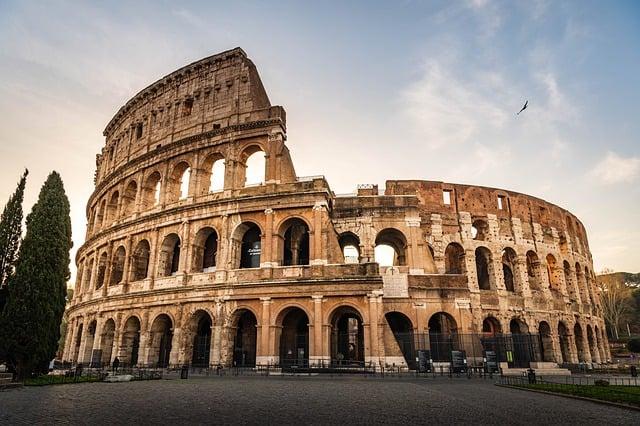
Starting this summer, several of Italy’s most visited cultural sites and cities will implement new access fees designed to mitigate the ever-growing concerns surrounding overcrowding. These fees are part of a broader strategy aimed at protecting Italy’s priceless heritage sites from the wear and tear caused by heavy tourist traffic. Locations such as Rome’s Colosseum, Venice’s historic center, and Florence’s renowned museums will see varying charges based on peak times and visitor numbers, encouraging tourists to plan visits during off-peak hours or seasons.
The new regulations also introduce crowd-control measures that include:
- Timed entry slots to regulate the flow of visitors throughout the day
- Visitor caps at high-demand locations to prevent excessive footfall
- Digital ticketing systems to enhance transparency and reduce line-ups
| Location | Access Fee (€) | Peak Hours | Visitor Cap |
|---|---|---|---|
| Rome – Colosseum | 5 | 10 AM – 3 PM | 3,000 per hour |
| Venice – Historic Center | 3 | 12 PM – 5 PM | 4,500 per hour |
| Florence – Uffizi Gallery | 6 | 9 AM – 2 PM | 2,000 per hour |
Detailed Overview of Crowd-Control Rules Impacting Tourists in Major Italian Destinations
Italian authorities have introduced a series of crowd-control protocols designed to manage the influx of tourists in top destinations such as Rome, Venice, Florence, and the Amalfi Coast. These regulations include mandatory pre-booked time slots for major landmarks, limiting daily visitor numbers, and imposing new entry charges during peak months. Tourists must now secure their access to popular sites like the Colosseum and Uffizi Gallery well in advance, as walk-in entries are increasingly restricted. In Venice, the introduction of a €10 visitor tax aims to reduce day-tripper congestion, supporting maintenance efforts for the fragile historical environment.
Alongside fees, the rules emphasize safety and preservation, with strict penalties for overcrowding and unauthorized access. Some cities are experimenting with digital monitoring tools such as crowd density apps to manage flow in real time. Below is a summary of key restrictions and fees tourists should anticipate this summer:
| City | New Access Fee | Restrictions |
|---|---|---|
| Rome | €12 (Colosseum) | Timed entry, max 3,000 daily visitors |
| Venice | €10 (City tax) | Controlled access to historic center, peak hour limits |
| Florence | €8 (Uffizi Gallery) | Advanced booking required, visitor caps per hour |
| Amalfi Coast | €5 (Beach access) | Restricted parking, shuttle service only on weekends |
Practical Tips for Travelers Navigating Italy’s Updated Entry Policies and Booking Procedures
Travelers planning a summer visit to Italy’s iconic destinations should prepare for new entry fees and stricter crowd-management protocols designed to enhance visitor experiences while preserving cultural landmarks. Many popular cities and sites now require advance online booking of timed-entry tickets, with penalties imposed for last-minute changes or no-shows. To avoid disappointment, securing reservations at least two weeks prior to arrival is strongly recommended. Additionally, some regions have introduced variable pricing schemes based on peak days and times, encouraging tourists to explore less crowded periods or alternative attractions. Remember to keep digital receipts accessible as border authorities may verify payment during entry checks.
Visitors should also familiarize themselves with the new documentation requirements. Aside from standard travel documents, proof of prepaid access fees and queue management app registrations may be mandatory at selected hotspots. Here are several practical tips to streamline the process:
- Download official regional tourism apps for real-time updates on crowd density and ticket availability.
- Register your itinerary online where applicable, enabling authorities to better track visitor flow and improve safety.
- Carry digital confirmations on your mobile device and opt for contactless payments whenever possible.
- Check local health regulations, as some areas may still enforce specific Covid-19 safety measures.
| Region | Entry Fee (€) | Booking Window | Additional Notes |
|---|---|---|---|
| Venice | 10 | 2 weeks prior | Mandatory for main islands |
| Rome (Colosseum) | 12 | 3 weeks prior | Time-sensitive tickets enforced |
| Florence (Uffizi Gallery) | 14 | 1 month prior | Limited same-day access |
| Amalfi Coast | 8 | 10 days prior | Peak day surcharges apply |
The Conclusion
As Italy implements these new access fees and crowd-control measures, travelers can expect a shift in how they experience the country’s most iconic destinations this summer. While the changes aim to preserve cultural heritage and enhance visitor safety, they also signal a new era of sustainable tourism in Italy. Visitors planning their trips are advised to stay informed of the latest regulations and prepare accordingly to ensure a smooth and enjoyable journey. VisaHQ will continue to monitor developments and provide updated guidance for international travelers navigating Italy’s evolving travel landscape.