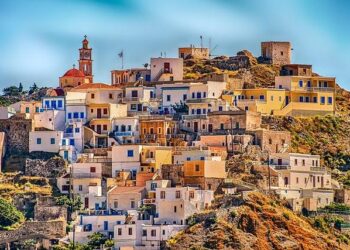
The Greece real estate market is entering a pivotal phase of maturity and transition, signaling significant shifts in investment patterns and property development across the country. According to recent reports from Greek City Times, this evolution reflects broader economic stabilization and increasing foreign interest, alongside emerging challenges that could reshape the sector’s future. As Greece moves beyond its recovery years, stakeholders are closely monitoring market trends to adapt strategies and capitalize on new opportunities within this dynamic landscape.
Greece Real Estate Market Shows Signs of Stabilization Amid Growing Investor Confidence
After years of fluctuating prices and market volatility, Greece’s property sector is now showing clear indications of stabilization. Key economic indicators point to a more balanced market environment, where supply and demand are beginning to align, boosting investor confidence significantly. Local and international investors are increasingly eyeing prime locations, such as Athens, Thessaloniki, and selected island destinations, drawn by improved transparency, streamlined regulations, and rising rental yields. This maturation phase signals a shift from opportunistic buying to strategic, long-term investments.
Market experts highlight several emerging trends supporting this momentum:
- Steady increase in residential property transactions, especially in urban centers.
- Growth in luxury tourism-related real estate developments fueling demand for short-term rental properties.
- Government initiatives to attract foreign buyers through residency permits and tax incentives.
| Region | Q1 2024 Price Change | Rental Yield (%) | Investor Sentiment |
|---|---|---|---|
| Athens | +4.2% | 5.1 | Very Positive |
| Thessaloniki | +3.5% | 4.8 | Positive |
| Crete | +2.8% | 5.4 | Stable |
| Mykonos | +5.0% | 6.2 | Very Positive |
Shifts in Demand and Supply Highlight Changing Dynamics in Urban and Coastal Areas
The Greek real estate landscape is undergoing a marked transformation as urban centers experience a recalibration in both demand and supply. Metropolitan hubs such as Athens and Thessaloniki have seen a shift from rapid expansion to a more stabilized market, fueled by evolving buyer preferences and investment strategies. Notably, the increasing focus on sustainable living and smart urban development is driving demand for properties that integrate green technologies and provide enhanced quality of life. This shift challenges developers to innovate and adapt, prioritizing mixed-use projects and renovation of aging buildings over traditional sprawling constructions.
Coastal areas, long favored for leisure and investment, also reflect changing dynamics that underscore a maturation phase in the market. Demand is becoming more discerning, emphasizing accessibility, infrastructure, and year-round habitation rather than seasonal tourism alone. In response, supply patterns are evolving with an emphasis on:
- Smaller, energy-efficient units aimed at young families and retirees
- Community-focused developments offering social amenities and security
- Integration of digital infrastructure to support remote work and connectivity
| Location | Demand Shift | Supply Innovation |
|---|---|---|
| Athens | Increased interest in green buildings | Renovations & mixed-use spaces |
| Mykonos | Shift toward permanent residency | Smart home tech integration |
| Growth Sector | Strategic Action | Expected Benefit |
|---|---|---|
| Urban Regeneration | Partnerships with municipalities | Faster approvals & community support |
| Green Buildings | Invest in energy-efficient technologies | Higher rental yields & incentives |
| Mixed-Use Developments | Flexible design for multiple uses | Diversified income streams |
| Remote Worker Housing | Modern amenities and connectivity | Attract new resident demographics |
Insights and Conclusions
As Greece’s real estate market enters a phase of maturity and transition, stakeholders are closely monitoring the evolving landscape defined by stabilized growth, shifting investor preferences, and regulatory changes. While opportunities remain, particularly in tourism-driven locales and urban redevelopment projects, market participants must adapt to a more competitive and nuanced environment. The coming months will be critical in shaping the trajectory of Greece’s property sector, as it balances sustainable development with continued appeal to both domestic and international buyers.