North Macedonia has emerged as the latest addition to Europe’s dynamic travel landscape, joining established hotspots like France, Spain, and Italy in attracting adventurous explorers seeking fresh experiences. As traditional destinations continue to charm, a growing number of bold travelers are broadening their horizons to lesser-known locales, reflecting a shifting pattern in continental tourism. Meanwhile, across the Atlantic, American travelers are increasingly turning eastward, drawn by new opportunities and cultural discoveries. This evolving map of global travel underscores changing preferences and the expanding curiosity of today’s globetrotters.
North Macedonia Emerges as a Key Player in Europe’s Diversifying Travel Landscape
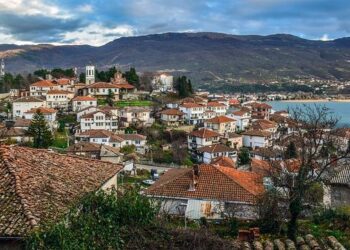
In a remarkable shift within Europe’s travel dynamics, North Macedonia is steadily carving out its niche among renowned destinations like France, Spain, and Italy. Attracting adventurous travelers keen on exploring off-the-beaten-path locales, the country’s blend of rich cultural heritage, stunning landscapes, and burgeoning infrastructure has made it a magnet for those seeking fresh experiences beyond traditional hotspots. From the pristine waters of Lake Ohrid to the historic charm of Skopje’s old town, visitors are discovering a destination where authenticity meets accessibility.
Tourism professionals highlight several factors driving North Macedonia’s newfound allure:
- Competitive Pricing: Offering great value for accommodation and dining without compromising quality.
- Cultural Diversity: A melting pot of influences visible in festivals, cuisine, and architecture.
- Emerging Infrastructure: New airports and improved road systems facilitating easier travel.
| Destination | Annual Visitors (Millions) | Average Stay (Days) |
|---|---|---|
| France | 89.4 | 6.2 |
| Spain | 83.7 | 5.8 |
| Italy | 65.0 | 5.9 |
| North Macedonia | 2.3 (Growth +12% YoY) | 4.1 |
How France Spain and Italy Continue to Attract Adventurous European Travelers
France, Spain, and Italy remain at the forefront of adventurous European travel by continuously reinventing their attractions while preserving their rich cultural heritage. Innovative tourism initiatives in France blend iconic landmarks like the Eiffel Tower with rising eco-tourism hotspots such as the Pyrenees National Park, appealing to travelers seeking both history and nature. Spain, with its vibrant festivals and expanding network of hiking trails in regions like Asturias and Catalonia, offers an exhilarating mix for those craving authentic, off-the-beaten-path experiences. Italy’s commitment to sustainable tourism and the revival of lesser-known locales-from the truffle fields of Umbria to the rugged coastline of Calabria-draws explorers eager to capture Italy’s timeless charm beyond the usual tourist hubs.
These countries also attract adventurous travelers through enhanced accessibility and modern comforts, balancing thrill with convenience. Digital nomads and thrill-seekers alike can take advantage of:
- Improved transportation networks connecting remote villages to major cities.
- Innovative cultural routes that highlight local traditions and gastronomy.
- Adventure-focused accommodations including eco-lodges and boutique hostels.
| Country | Adventure Highlights | Recent Tourism Upgrades |
|---|---|---|
| France | Mountain biking & canyoning in the Alps | New sustainable hiking routes |
| Spain | Kayaking along Costa Brava | Expanded rural guesthouses |
| Italy | Trekking in the Dolomites | Revitalized coastal villages |
Together, these developments secure France, Spain, and Italy’s status as premier destinations for those seeking dynamic and immersive European travel adventures.
Why American Tourists Are Increasingly Exploring Opportunities in Eastern Europe
American travelers are broadening their horizons beyond the classic Western European hotspots, drawn by a combination of affordability, cultural richness, and untapped experiences in Eastern Europe. Regions like North Macedonia, Serbia, and Bulgaria are rapidly gaining attention as they offer a compelling blend of history, stunning landscapes, and vibrant urban life without the steep price tags associated with Paris or Rome. Besides the economical benefits, increased connectivity through budget airlines and upgraded infrastructure make these destinations more accessible than ever before.
Beyond leisure tourism, many Americans are now exploring Eastern Europe for unique professional and entrepreneurial opportunities. The region’s growing digital economy and startup ecosystems, combined with favorable visa policies and lower living costs, make it an attractive destination for remote workers and business investors alike. Key factors fueling this shift include:
- Competitive living expenses: Up to 50% cheaper than major U.S. cities
- Cultural diversity: A crossroads of Ottoman, Slavic, and Mediterranean influences
- Emerging tech hubs: Cities like Ljubljana and Sofia attracting tech talent and innovation
- Authentic adventure: From the lakes of Ohrid to historic old towns, offering off-the-beaten-path exploration
| Destination | Average Daily Cost (USD) | Top Attraction |
|---|---|---|
| North Macedonia | 45 | Lake Ohrid |
| Serbia (Belgrade) | 50 | Kalemegdan Fortress |
| Bulgaria (Sofia) | 40 | Alexander Nevsky Cathedral |
Key Takeaways
As North Macedonia solidifies its place alongside established European destinations like France, Spain, and Italy, the continent’s travel landscape continues to diversify and evolve. Bold explorers are increasingly seeking out these emerging locales, enriching their experiences beyond traditional routes. Meanwhile, a notable shift sees Americans turning eastward, drawn by promising opportunities and new cultural horizons. This dynamic interplay of movement underscores a broader trend: global travelers are redefining their journeys, embracing change, and reshaping the future of international travel.