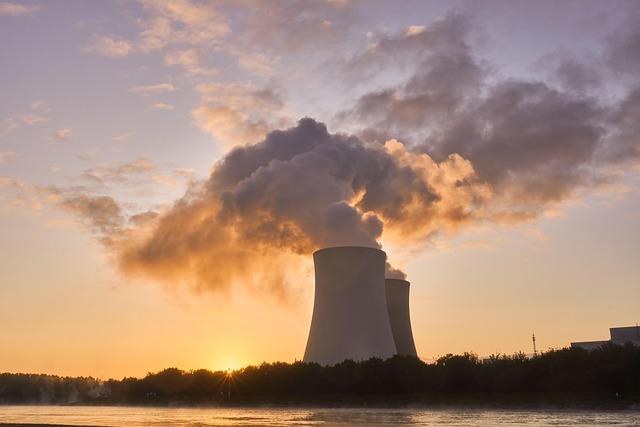
Plans for Poland’s first nuclear power plant continue to advance steadily, marking a significant milestone in the country’s pursuit of energy diversification and decarbonization. As Warsaw pushes forward with its ambitious nuclear energy program, recent developments signal growing momentum in the project’s planning and implementation phases. This progress underscores Poland’s commitment to reducing reliance on coal and enhancing energy security through low-carbon technologies, aligning with broader European efforts to transition to sustainable energy sources.
Plans Move Forward for Poland’s First Nuclear Power Plant Construction
Poland is taking significant strides toward establishing its inaugural nuclear power facility as part of a broader energy diversification strategy aimed at reducing dependence on coal and enhancing energy security. The government has recently finalized key agreements with leading international partners to commence site preparations and engineering designs. These collaborative efforts are expected to streamline construction activities set to begin within the next few years, with an anticipated operational date in the early 2030s. The project underscores Poland’s commitment to meeting European climate goals while fostering economic growth through high-tech infrastructure development.
Key highlights of the project include the selection of advanced reactor technology designed to prioritize safety, efficiency, and environmental stewardship. The initiative will also generate numerous employment opportunities during both the construction and operational phases. The table below summarizes critical project milestones and expected outputs:
| Milestone | Expected Completion | Impact |
|---|---|---|
| Site approval and licensing | 2024 Q4 | Regulatory clearance achieved |
| Engineering and design phase | 2025-2027 | Detailed planning and safety analysis |
| Construction commencement | 2028 | Groundbreaking and infrastructure setup |
| Operational launch | Early 2030s | Clean energy generation begins |
Government and Industry Collaborate on Regulatory and Safety Framework
Poland’s ambitious stride towards establishing its first nuclear power plant is underscored by an unprecedented collaboration between government agencies and industry leaders. Key regulatory bodies have been actively engaged in drafting comprehensive safety guidelines designed to align with international best practices while addressing the unique challenges of Poland’s energy landscape. This cooperative framework ensures that every phase of the project-from site selection to plant commissioning-meets rigorous safety standards, bolstering public confidence and facilitating transparent oversight.
Industry partners have contributed their technical expertise and operational insights, helping to shape a pragmatic yet robust regulatory environment. The framework focuses on several critical areas, including:
- Environmental impact assessments to safeguard local ecosystems
- Emergency preparedness and response protocols tailored to regional specifics
- Continuous safety monitoring integrating cutting-edge technology
- Stakeholder engagement policies promoting community inclusion
| Regulatory Aspect | Government Role | Industry Role |
|---|---|---|
| Licensing & Permitting | Policy formulation & oversight | Compliance & documentation |
| Safety Audits | Conduct audits and enforce standards | Implement corrective measures |
| Training & Certification | Set qualification criteria | Provide workforce training |
Experts Recommend Enhanced Public Engagement and Investment in Workforce Development
As Poland advances its ambitious project to establish the country’s first nuclear power plant, industry leaders and experts emphasize the necessity of robust public involvement to ensure sustainable success. Transparent communication and active dialogue with local communities will be pivotal in fostering trust and addressing concerns surrounding nuclear energy. Key recommendations include:
- Community forums and educational workshops to demystify nuclear technology and safety protocols.
- Collaborations with schools and universities for awareness and career pathway development.
- Enhanced digital platforms for real-time updates and public feedback channels.
Equally critical is the strategic investment in workforce development to equip Poland with skilled professionals capable of supporting all phases of the nuclear project-from construction to ongoing operations. Training initiatives are designed to align with international standards, ensuring high-quality performance and safety compliance. The table below outlines core focus areas in workforce enhancement:
| Focus Area | Objective | Timeline |
|---|---|---|
| Technical Training | Develop specialized skills in nuclear engineering | 2024-2026 |
| Safety Certification | Ensure compliance with international nuclear safety standards | Ongoing |
| Apprentice Programs | Offer hands-on experience in plant operations | 2025-2028 |
Key Takeaways
As Poland moves forward with the development of its first nuclear power plant, the project marks a significant step in the country’s efforts to diversify its energy mix and enhance energy security. With continued investment and international collaboration, the initiative is poised to play a crucial role in Poland’s transition toward low-carbon energy sources. Stakeholders will be watching closely as plans advance from blueprint to reality, signaling a new chapter in Central Europe’s nuclear energy landscape.