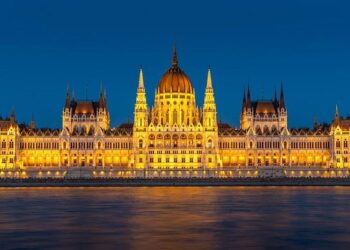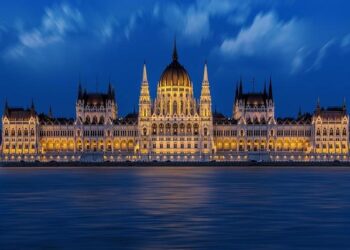
After 16 years at the helm of Hungary’s government, Prime Minister Viktor Orbán has conceded defeat in the latest national elections, signaling a significant shift in the country’s political landscape. Orbán’s tenure, marked by his nationalist policies and controversial leadership style, comes to an end as opposition forces claim victory, promising a new direction for Hungary. This development marks a pivotal moment in Central European politics and raises questions about the future course of the nation.
Hungary’s Viktor Orbán Ends 16-Year Rule After Electoral Defeat
After 16 years of leadership, Viktor Orbán has officially conceded defeat in Hungary’s recent parliamentary elections. His conservative Fidesz party, which dominated Hungarian politics with a mix of nationalist rhetoric and economic reforms, has been unseated by a united opposition coalition. This marks a significant political shift in a country long marked by Orbán’s authoritarian-tinged governance and contentious relations with the European Union.
The new coalition, comprising six diverse parties ranging from liberals to greens, secured a narrow majority, promising to restore democratic norms and re-engage with Western institutions. Key election results include:
- Opposition coalition: 135 seats
- Fidesz party: 100 seats
- Voter turnout: 68%, the highest in a decade
| Key Issue | Orbán Era Policies | Opposition Promises |
|---|---|---|
| EU Relations | Strained, Eurosceptic | Reconnection, cooperation |
| Media Freedom | Tightly Controlled | Free Press |
| Judicial Independence | Weakened Courts | Judicial Reform |
| Immigration | Strict Border Policies | Balanced Approach |
Implications for Hungary’s Political Landscape and European Relations
Orbán’s concession marks a pivotal shift in Hungary’s domestic political ecosystem. After 16 years of continuous rule, the incoming administration faces the formidable task of navigating a landscape deeply shaped by Orbán’s nationalistic policies and centralized authority. Key challenges ahead include restoring democratic institutions, addressing concerns over media freedom, and managing the polarization that has defined Hungarian politics for over a decade. The change in leadership could also stimulate political diversification, as opposition parties strive to consolidate power and redefine Hungary’s governance.
On the international stage, this transition opens a window for recalibrating Hungary’s often contentious relationship with the European Union. Orbán’s tenure was marked by frequent clashes with Brussels over rule-of-law issues, migration policies, and democratic standards. The new government’s approach is likely to emphasize:
- Re-engagement with EU institutions through constructive dialogue
- Renewal of funding negotiations previously stalled
- Alignment with broader European values and regulations
Such changes could not only improve Hungary’s standing within the EU but also influence broader Central and Eastern European dynamics, fostering regional cooperation and potentially reshaping alliances.
| Aspect | Potential Impact |
|---|---|
| Domestic Politics | Democratic reforms, political realignment |
| EU Relations | Improved cooperation, funding resumption |
| Regional Influence | Enhanced Central European collaboration |
Recommendations for Democratic Reform and Strengthening Rule of Law in Post-Orbán Hungary
To anchor democratic renewal in Hungary, an urgent overhaul of the electoral framework is essential. This includes instituting transparent and independent electoral commissions to safeguard fair voting processes and prevent gerrymandering. Furthermore, restoring judicial independence must be prioritized by repealing politically influenced appointments and reinforcing the constitutional court’s autonomy. Stronger legal safeguards will help reestablish rule of law and public trust.
Media pluralism also requires comprehensive reforms to counter previous years of state control and censorship. Policies should encourage the diversification of media ownership and enforce regulations that protect press freedom from political interference. Civil society and non-governmental organizations need sustained support to promote accountability and monitor governance. Implementing these measures collectively can foster a resilient democracy and stabilize Hungary’s political landscape.
- Establish independent electoral oversight bodies
- Guarantee judicial neutrality through structural reforms
- Promote media diversity and protect freedom of expression
- Strengthen civil society organizations with funding and legal protection
| Reform Area | Proposed Action | Expected Impact |
|---|---|---|
| Electoral System | Independent commissions for voting oversight | Fair, transparent elections |
| Judiciary | End political appointments to courts | Judicial impartiality |
| Media | Support diverse, independent media outlets | Informed public debate |
| Civil Society | Legal and financial support | Greater accountability |
The Conclusion
Viktor Orbán’s concession marks a significant turning point in Hungary’s political landscape, closing a chapter defined by his 16-year tenure. As the country transitions to new leadership, observers both domestically and internationally will be watching closely to see how this shift influences Hungary’s future policies and its role within the European Union. The election outcome underscores the dynamic nature of democratic processes and sets the stage for a new era in Hungarian politics.