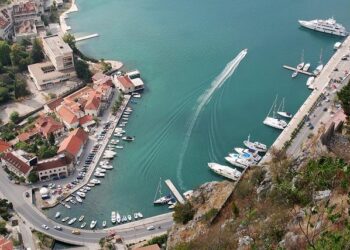
The European Union has officially commenced work on the accession treaty for Montenegro, marking a significant milestone in the Western Balkans country’s bid to join the bloc. This development underscores the EU’s continued commitment to expanding its membership and strengthening ties within the region. As negotiations progress, the treaty will outline the terms and conditions under which Montenegro could become the EU’s newest member state, reflecting years of reforms and alignment with EU standards.
EU Launches Formal Negotiations on Montenegro Accession Treaty
The European Union has officially commenced formal negotiations aimed at Montenegro’s full integration into the bloc. This critical step marks a renewed commitment from both sides to advance the accession process, reflecting the EU’s continued support for the Western Balkans’ stability and growth. Key areas under discussion include judicial reforms, anti-corruption measures, and the alignment of Montenegro’s policies with EU standards. These negotiations set the stage for deeper cooperation and potential future membership, reinforcing Montenegro’s strategic importance in the region.
Highlights of the negotiation framework include:
- Strengthening the rule of law: Prioritizing judicial independence and transparency.
- Economic convergence: Facilitating sustainable growth and market integration.
- Environmental policies: Aligning with the EU’s Green Deal objectives.
- Security cooperation: Enhancing regional stability through shared strategies.
| Negotiation Chapter | Status |
|---|---|
| Judiciary and Fundamental Rights | In Progress |
| Energy and Environment | Pending |
| Good Governance | In Progress |
| Foreign Policy Alignment | Ongoing Consultations |
Detailed Overview of Key Chapters and Reform Benchmarks for Montenegro
The accession treaty negotiations with Montenegro are structured around several critical chapters intended to align the country’s legal and institutional framework with EU standards. Key areas of focus include the judiciary and fundamental rights, public procurement, competition policy, and the environment. Progress in these fields is measured against a comprehensive set of benchmarks designed to ensure transparency, rule of law, and sustainable development. Montenegro has made significant strides in strengthening anti-corruption measures and enhancing the independence of its judiciary, two pillars closely monitored by EU officials throughout the accession process.
To provide clarity on Montenegro’s current standing, the European Commission has emphasized the following reform benchmarks:
- Implementation of EU-aligned environmental regulations
- Improvement of public procurement frameworks to prevent fraud
- Guarantees for media freedom and pluralism
- Enhanced competition policies targeting monopolies and unfair practices
- Comprehensive anti-corruption action plans fully executed
| Chapter | Main Reform Areas | Status |
|---|---|---|
| Judiciary & Fundamental Rights | Judicial independence, anti-corruption | Advanced progress |
| Public Procurement | Transparency, electronic systems | Moderate progress |
| Environment | Waste management, pollution control | Ongoing efforts |
| Competition Policy | Market regulation, state aid control | Early stage |
Recommendations for Accelerating Montenegro’s Alignment with EU Standards
To expedite Montenegro’s integration into the EU framework, a focused enhancement of institutional capacity remains paramount. Strengthening the judicial system and ensuring the independence of the judiciary will create a robust legal environment conducive to EU norms. Additionally, streamlining administrative procedures and investing in targeted training programs for civil servants can markedly improve the efficiency of transposing EU acquis into national legislation. Practical cooperation between Montenegrin authorities and EU bodies should be boosted to facilitate knowledge exchange and address compliance challenges proactively.
Equally critical is Montenegro’s commitment to tackling organized crime and corruption, which continues to hinder progress. Policymakers must prioritize transparency reforms and adopt cutting-edge anti-corruption technologies. The government could consider implementing:
- Real-time monitoring systems for public procurement
- Enhanced whistleblower protections to encourage reporting
- Regular independent audits to ensure accountability
These steps, paired with increased civic engagement and media freedom, will foster public trust and catalyze a sustainable path toward meeting EU accession criteria.
Wrapping Up
As the European Union embarks on the formal process of drafting Montenegro’s accession treaty, this development marks a significant step forward in the country’s long-standing bid to join the bloc. While challenges remain, the commencement of treaty negotiations underscores the EU’s continued commitment to enlargement and regional stability in the Western Balkans. Stakeholders will be closely watching how the discussions unfold in the coming months, with the prospect of Montenegro becoming the next EU member state drawing nearer.