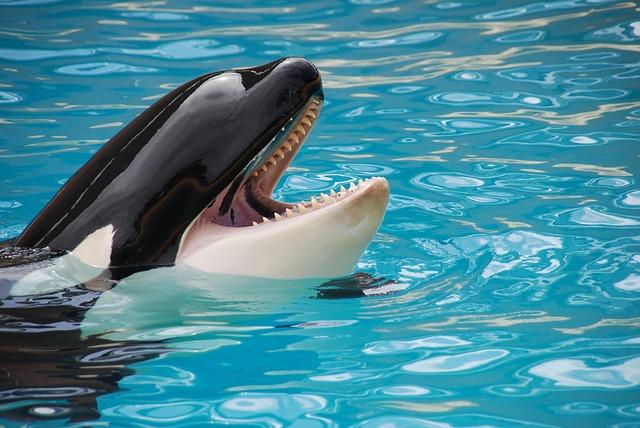
Orca sightings in the Strait of Gibraltar have plummeted by 80% in recent months, raising concerns among marine biologists and conservationists. However, a surprising shift has been observed as Spain’s northern coast emerges as a new hotspot for these majestic predators. This unexpected change in orca distribution is prompting experts to re-evaluate the factors influencing their movements and the implications for regional marine ecosystems.
Orca Sightings Plummet in the Strait of Gibraltar Raising Conservation Concerns
Marine biologists monitoring orca populations have reported a drastic decline in sightings within the Strait of Gibraltar, with encounters plunging by approximately 80% compared to previous years. This sharp decrease raises serious alarms among conservationists, as the region has long been considered a critical habitat and migratory corridor for these apex predators. Experts suggest that factors such as increased maritime traffic, underwater noise pollution, and fluctuating prey availability could be contributing to this sudden downturn.
Conversely, areas along Spain’s northern coast are experiencing a surge in orca activity, attracting both researchers and ecotourism operators. The shift poses new challenges and opportunities, highlighting the need for adaptive conservation strategies. Key points observed so far include:
- Higher frequency of sightings near the Basque coast and Cantabrian Sea.
- Emerging social groups suggesting possible migration or behavioral changes.
- Potential implications for local fishing industries and biodiversity balance.
| Location | Orca Sightings (Annual) | Change since Last Year |
|---|---|---|
| Strait of Gibraltar | 50 | -80% |
| Basque Coast | 120 | +45% |
| Cantabrian Sea | 110 | +38% |
Northern Coast of Spain Emerges as New Hotspot for Orca Activity
The dynamics of orca sightings in Spain have shifted dramatically in recent months. While the Strait of Gibraltar’s waters have experienced a stark decline-with encounters plummeting by about 80%-the focus has now turned northward. The coastal stretches along Cantabria, Asturias, and the Basque Country have started recording increased orca activity, surprising marine biologists and enthusiasts alike. Experts speculate that changes in prey availability, water temperature, and human maritime traffic patterns are influencing this migration, making the Northern Coast a fresh hotspot for observing these majestic marine mammals.
Local authorities and environmental groups have already begun ramping up monitoring efforts to document the new patterns. This shift presents a unique opportunity to study orca behavior in areas previously considered peripheral to their usual range. Key highlights of orca presence along the northern waters include:
- Increased sightings near Laredo and Santander, where fishing communities report occasional pod encounters.
- Higher frequency of orca pods crossing Biscay Bay, noted during the spring and early summer months.
- New collaborations between marine institutes and local governments to ensure responsible wildlife tourism.
| Region | Average Pod Size | Peak Sightings Month |
|---|---|---|
| Cantabria | 4-7 | May |
| Asturias | 3-5 | June |
| Basque Country | 2-6 | April |
Experts Urge Improved Monitoring and Protection Measures to Safeguard Orca Populations
Marine biologists and conservationists have sounded the alarm after recent studies revealed a drastic decline in orca sightings in the Strait of Gibraltar, with encounters plunging by 80% over the last decade. Specialists emphasize that increased maritime traffic, noise pollution, and dwindling prey availability are likely contributing factors disrupting these apex predators’ traditional migratory and feeding patterns. To address this, experts advocate for comprehensive monitoring systems, including acoustic sensors and satellite tracking, to gather real-time data on population movements and health status.
Priority actions proposed by leading researchers include:
- Establishment of protected marine corridors to minimize vessel interference
- Enhanced regulations on fishing practices to ensure sustainable prey populations
- Implementation of noise reduction measures for shipping lanes
- Community engagement programs to promote awareness and reporting of orca sightings
| Measure | Expected Impact | Timeline |
|---|---|---|
| Acoustic Monitoring | Track presence and stress signals | 6-12 months |
| Vessel Speed Limits | Reduce collision risks | Immediate |
| Protected Zones | Safe breeding areas | 1-3 years |
| Fishery Management | Ensure food supply stability | Ongoing |
Closing Remarks
As orca sightings in the Strait of Gibraltar have sharply declined by 80%, the shift in activity towards Spain’s northern coast offers a new focus for researchers and enthusiasts alike. While the reasons behind this migration remain under investigation, the change underscores the dynamic nature of marine ecosystems and the importance of continued monitoring. Authorities and conservation groups are urged to adapt their strategies to these evolving patterns to ensure the protection of these iconic predators across Spanish waters.