Denmark is grappling with a critical energy dilemma as the rapid expansion of data centers, driven by soaring demand for artificial intelligence (AI) technologies, clashes with the nation’s limited power capacity. In a decisive move to address the mounting strain on its electrical grid, Danish authorities have imposed a moratorium on new data center projects. This development underscores the growing challenges faced by countries worldwide in balancing the surge in digital infrastructure with sustainable energy management. As AI continues to fuel unprecedented growth in data processing needs, Denmark’s halt signals a pivotal moment in the global conversation on the future of energy consumption and technological advancement.
Data Center Expansion Challenges Denmark’s Energy Infrastructure Amid Rising AI Demand
Denmark’s ambitious push to become a leading hub for artificial intelligence has triggered a surge in data center construction, placing unprecedented strain on the nation’s energy grid. As tech giants rush to establish sprawling server farms, authorities face increasing pressure to balance growth with sustainable power management. The rapid expansion of these facilities has exposed vulnerabilities in Denmark’s energy infrastructure, forcing regulators to impose a temporary moratorium on new data center developments while they reassess grid capacity and renewable energy integration.
Industry experts highlight several critical challenges contributing to the energy crunch:
- Grid overload risks: Existing distribution networks are struggling to accommodate the massive electricity demands of AI-driven computing centers.
- Renewable energy limitations: Despite Denmark’s green energy ambitions, scaling up wind and solar generation hasn’t matched the pace of data center growth.
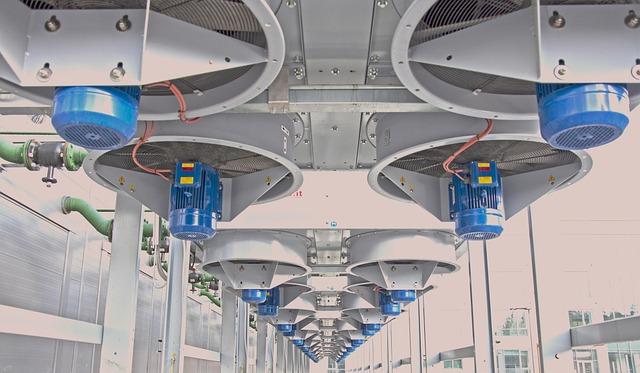
- Cooling and infrastructure demands: Data centers require significant power not only for processing but also for energy-intensive cooling systems, compounding consumption concerns.
| Factor | Impact | Mitigation Effort |
|---|---|---|
| Energy demand spike | +30% grid load increase | Moratorium on new permits |
| Renewable integration | Current capacity at 65% | Investment in offshore wind |
| Cooling consumption | Up to 40% of total power use | Exploring advanced cooling tech |
Government Imposes Moratorium on New Data Centers to Prevent Grid Overload
Facing unprecedented demand from the surge in artificial intelligence applications, Danish authorities have taken a decisive step to curb the expanding footprint of new data center developments. The moratorium aims to safeguard the national electricity grid, which is showing signs of strain under the combined pressures of increased industrial consumption and residential needs. Experts warn that without intervention, the overload risks cascading failures and significant power outages across key regions.
To mitigate the crisis, the government is prioritizing:
- Optimization of existing data centers through energy-efficient technologies and smart cooling solutions.
- Investment in renewable energy integration to reduce reliance on fossil fuels and stabilize the grid.
- Strict regulatory review of pending and future data-hungry infrastructure proposals.
| Key Metric | 2019 | 2023 | Projected 2025 |
|---|---|---|---|
| Data Center Energy Consumption (GWh) | 1,200 | 3,500 | 5,800 |
| National Grid Capacity (GWh) | 40,000 | 42,000 | 44,000 |
| Renewable Energy Share (%) | 35% | 50% | 65% |
Strategic Recommendations for Sustainable Data Center Growth and Renewable Energy Integration
“`html
To navigate the escalating tension between exponential data center growth and finite energy resources, stakeholders must prioritize innovative strategies that align technological expansion with environmental imperatives. Leveraging smart grid technologies and demand response systems can optimize power consumption dynamically, reducing overall stress on Denmark’s energy infrastructure. Furthermore, integrating on-site renewable energy sources such as solar panels and wind turbines directly into data center operations will help decentralize energy demand and foster resilience against grid fluctuations. Policymakers and industry leaders should also collaborate on establishing energy-efficient certifications for data centers, incentivizing investments in cutting-edge cooling and hardware technologies that lower carbon footprints without compromising performance.
Community engagement and transparent reporting can play pivotal roles in fostering sustainable expansion. Strategic partnerships with local utilities and research institutions can drive the development of predictive models to better anticipate future demand spikes linked to AI workloads. The table below summarizes key focus areas that can guide actionable decisions for sustainable growth and renewable integration:
| Focus Area | Recommended Action | Expected Outcome |
|---|---|---|
| Energy Efficiency | Adopt advanced cooling & AI-driven load balancing | Lower operational costs & emissions |
| Renewable Integration | Install on-site solar & procure green energy contracts | Reduced grid dependence & improved sustainability |
| Policy Collaboration | Develop supportive frameworks & incentives | Facilitated growth aligned with climate goals |
| Demand Management | ||
| Demand Management | Implement smart grids & demand response systems | Optimized energy use & reduced peak loads |
| Community Engagement | Promote transparency & partnerships with local stakeholders | Increased trust & collaborative innovation |
| Research & Forecasting | Collaborate with research institutions for demand modeling | Proactive capacity planning & workload optimization |