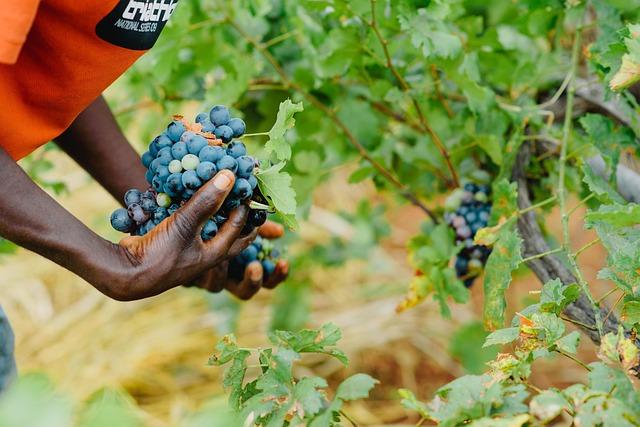
In the sun-drenched valleys of Armenia, grape farmers are leading a quiet revolution to revive the country’s ancient winemaking traditions while championing ecological stewardship. As global interest in sustainable agriculture grows, these vintners are marrying age-old practices with modern conservation efforts to restore Armenia’s once-flourishing wine heritage without sacrificing the health of local ecosystems. This emerging movement not only preserves cultural identity but also offers a blueprint for balancing agricultural development with environmental sustainability in the region.
Grape Farmers Revive Armenia’s Ancient Wine Traditions Through Sustainable Practices
Amidst the rolling hills and fertile landscapes of Armenia, a passionate group of grape farmers is breathing new life into an age-old tradition that dates back millennia. By embracing environmentally conscious cultivation methods, these vintners are not only crafting wines that echo the rich flavors of their ancestors but are also actively protecting local ecosystems from modern agricultural threats. Their approach integrates heritage techniques such as dry farming with organic pest management, allowing the land to regenerate naturally and ensuring the survival of indigenous grape varieties unique to the Armenian highlands.
Key sustainable practices adopted by these farmers include:
- Composting and natural fertilizers to enrich soil health without chemical residues.
- Water conservation techniques that reduce strain on regional water supplies.
- Biodiversity corridors established around vineyards to support native pollinators and wildlife.
| Practice | Benefit | Impact |
|---|---|---|
| Dry Farming | Preserves water resources | Improves grape quality, conserves ecosystem |
| Organic Pest Control | Reduces chemical use | Protects soil and wildlife health |
| Indigenous Varieties | Maintains genetic diversity | Supports cultural heritage and resilience |
Balancing Heritage and Habitat Protecting Local Ecosystems Amidst Vineyard Expansion
In Armenia’s rolling landscapes, a new wave of vintners are reimagining ancient winemaking traditions without compromising the delicate balance of local ecosystems. Rather than clearing vast tracts of land, these farmers employ low-impact cultivation methods that preserve native flora and fauna, ensuring biodiversity thrives alongside their vineyards. Integrated pest management, organic fertilizers, and contour planting are among the sustainable techniques helping to reduce soil erosion and maintain water quality in nearby streams.
Collaboration between agricultural experts and environmentalists has resulted in innovative approaches that harmonize heritage restoration with habitat conservation. A recently formed coalition of local winegrowers has adopted a set of ecological benchmarks to monitor environmental health through each growing season. The table below outlines some of the key strategies applied across different farms, illustrating how tradition and ecology are interwoven in the modern Armenian wine resurgence.
| Practice | Environmental Benefit | Heritage Connection |
|---|---|---|
| Terrace Vineyards | Prevents soil runoff & conserves water | Restores ancient hillside farming |
| Farmyard Composting | Enhances soil fertility naturally | Traditional organic amendments |
| Intercropping with Native Plants | Promotes pollinators & pest control | Mirrors historic ecosystem diversity |
Innovative Techniques and Community Efforts Set Path for Eco-Friendly Wine Production
Across Armenia’s wine-producing regions, farmers are pioneering a blend of tradition and innovation to rejuvenate ancestral vineyards while minimizing environmental impact. Techniques such as organic pest management, drip irrigation, and cover cropping not only improve grape quality but also conserve soil health and water resources. These methods reduce reliance on chemical fertilizers and pesticides, promoting biodiversity and fostering resilient ecosystems. Through collaborative workshops and knowledge-sharing networks, local growers have embraced these practices as a sustainable path forward, ensuring that ancient winemaking heritage can thrive alongside nature.
Community-driven initiatives have become vital in scaling eco-friendly production. Farmers collaborate with conservationists and vintners to monitor vineyard health and establish certification standards that highlight sustainable credentials. Efforts include:
- Replanting native flora around vineyards to attract beneficial insects
- Developing composting systems using vineyard waste
- Implementing solar-powered equipment to reduce carbon emissions
| Technique | Benefit | Impact |
|---|---|---|
| Drip Irrigation | Water Efficiency | Reduces usage by 40% |
| Organic Pest Management | Soil Health | Boosts microbial diversity |
| Cover Cropping | Erosion Control | Prevents topsoil loss |
By integrating traditional viticulture knowledge with modern conservation techniques, Armenian grape farmers are charting a course that honors their cultural legacy while safeguarding the environment for generations to come.
The Conclusion
As Armenia’s grape farmers continue to revive ancient winemaking traditions, their efforts extend beyond preservation of cultural heritage to encompass vital ecological stewardship. By blending time-honored cultivation techniques with sustainable practices, these producers not only safeguard the health of local ecosystems but also position Armenia as a burgeoning player in the global wine industry. Their work underscores the potential for harmonizing agricultural development with environmental conservation-a model that could inspire similar initiatives in other regions rich in both biodiversity and cultural history.