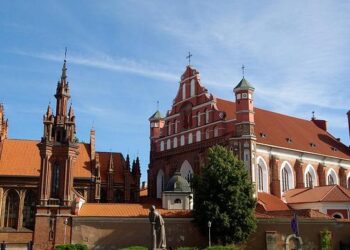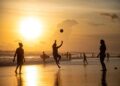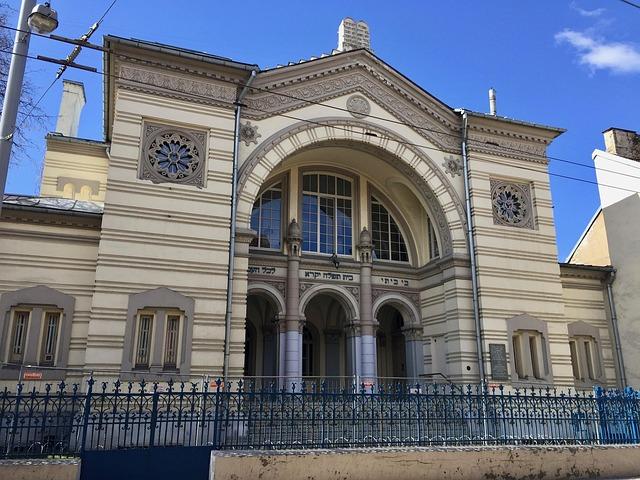
Lithuania is set to make history as it hosts the inaugural Special Olympics Baltic Games, proudly presented by Toyota. This landmark event, bringing together athletes with intellectual disabilities from across the Baltic region, highlights the power of sports to inspire inclusion, celebrate diversity, and foster unity. With enthusiastic local support and international attention, the first edition of the Special Olympics Baltic Games marks a significant milestone in promoting equal opportunities and athletic excellence in Lithuania and beyond.
Lithuania Hosts Inaugural Special Olympics Baltic Games Presented by Toyota Showcasing Regional Athletic Talent
The inaugural Special Olympics Baltic Games, powered by Toyota, marked a significant milestone in promoting inclusivity and athletic excellence throughout the Baltic region. Over 300 athletes representing Lithuania, Latvia, and Estonia converged in Vilnius to compete across a variety of sports, including track and field, swimming, and basketball. The event not only highlighted the remarkable determination and skills of these athletes but also fostered a sense of unity and camaraderie among the Baltic nations. Each competition day was met with enthusiastic crowds and heartfelt support from local communities, reflecting a shared commitment to empowering individuals with intellectual disabilities through sport.
Key Highlights of the Games:
- More than 20 medals awarded daily across multiple disciplines
- Engagement of over 100 volunteers facilitating logistics and athlete support
- Special workshops and cultural exchanges promoting social inclusion
- Toyota’s involvement extended beyond sponsorship to active community outreach programs
| Athlete | Country | Sport | Medal |
|---|---|---|---|
| Juris Kalnins | Latvia | 100m Sprint | Gold |
| Rūta Petrauskaitė | Lithuania | Swimming | Silver |
| Erik Ernests | Estonia | Basketball | Bronze |
Inclusive Sports Empowerment Drives Community Engagement and Cultural Unity Across Baltic States
The Special Olympics Baltic Games, proudly presented by Toyota, mark a monumental step forward in fostering inclusive sports throughout Lithuania and neighboring Baltic countries. This unprecedented event ignited a vibrant wave of enthusiasm among athletes, families, and local communities, proving that sports have the unparalleled power to bridge differences. Participants from Lithuania, Latvia, and Estonia joined forces, showcasing not just their athletic skills but also a spirit of camaraderie and mutual respect that transcends borders. The integration of adaptive sports disciplines highlighted the organisers’ commitment to providing equal opportunities for athletes with intellectual disabilities, reinforcing the belief that everyone deserves a platform to shine.
Beyond the competitions, the games served as a dynamic cultural exchange, delivering enriching experiences through shared traditions, music, and celebrations. Community engagement thrived thanks to inclusive volunteer programs, educational workshops, and local partnerships, all designed to cultivate awareness and lasting support for special athletes. The event’s impact was underscored by a notable increase in public interest and media coverage, signaling a promising outlook for future regional collaborations. Below is a snapshot of participation figures, which exemplify the event’s reach and diversity:
| Country | Athletes | Volunteers | Sports Disciplines |
|---|---|---|---|
| Lithuania | 120 | 75 | 8 |
| Latvia | 95 | 60 | 7 |
| Estonia | 80 | 50 | 6 |
Recommendations to Sustain Momentum Include Enhanced Funding and Expanded Accessibility Programs for Future Events
To build on the success of the inaugural Special Olympics Baltic Games, securing increased financial support is paramount. Enhanced funding will enable organizers to expand athlete participation, provide state-of-the-art training facilities, and improve event infrastructure. This approach will ensure easier access to resources, allowing more athletes across the Baltic region to showcase their talents on an international stage. Additionally, partnerships with local businesses and global sponsors can foster a sustainable financial model that supports growth year after year.
Accessibility remains a cornerstone for the future of the Games. Initiatives aimed at expanding transportation options, offering multilingual support services, and adapting venues to meet diverse needs will be essential. A multi-faceted strategy that includes:
- Community outreach programs
- Inclusive volunteer recruitment
- Adaptive sporting equipment provision
- Digital platforms for remote engagement
will help create a welcoming environment for athletes, their families, and fans. Below is a snapshot of key focus areas for upcoming editions:
| Focus Area | Action | Impact |
|---|---|---|
| Funding | Expand sponsorship and grant opportunities | Increased resources for athlete development |
| Facilities | Upgrade existing venues with accessibility features | Enhanced athlete and spectator experience |
| Accessibility | Implement transportation assistance programs | Improved event reach and inclusivity |
| Community | Strengthen volunteer and family engagement | Deeper local involvement and support |
Key Takeaways
As Lithuania proudly hosted the inaugural Special Olympics Baltic Games presented by Toyota, the event not only celebrated athletic excellence but also underscored the power of inclusion and community spirit. Bringing together athletes from across the Baltic region, the Games set a new standard for unity and empowerment in sports. With its successful debut, Lithuania has positioned itself as a meaningful advocate for Special Olympics and adaptive athletics, paving the way for future editions that will continue to inspire and connect athletes of all abilities.