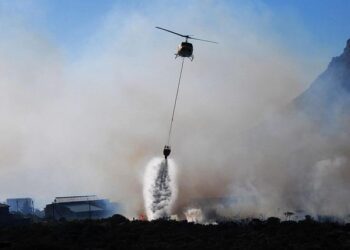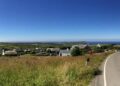
Images capturing the aftermath of devastating wildfires in Greece reveal the extensive destruction wrought across landscapes as infernos continue to rage. These blazes mark part of a broader pattern of severe wildfire activity currently unfolding across Europe and portions of the United States, challenging firefighting efforts and raising concerns over the increasing impact of climate-driven disasters. The harrowing photographs, documented by AP News, provide a stark visual account of the damage to homes, forests, and communities as authorities battle to contain the rapidly spreading flames.
Wildfires Ravage Greece Leaving Widespread Devastation in Their Wake
Fierce wildfires have swept through vast regions of Greece, reducing forests, homes, and farmland to ash. The flames, driven by soaring temperatures and strong winds, have forced thousands to evacuate as emergency teams struggled to contain the blazes. Satellite images and on-the-ground photos reveal scorched landscapes stretching for miles, with charred tree trunks and collapsed structures painting a grim picture of the destruction left behind. Local authorities declared states of emergency in several affected regions, urging vigilance as the risk of further outbreaks remains high.
Communities across Greece are now facing the daunting task of recovery amid widespread loss. Essential infrastructure – including power lines and water systems – has been severely impacted, hindering relief efforts. Firefighters from neighboring countries have joined Greek crews in a coordinated response to battle the infernos. Key figures in the response include:
- Over 2,000 firefighters deployed nationwide
- Helicopters and planes involved in aerial water drops
- Evacuations across 15 municipalities
| Region | Area Burned (hectares) | Evacuated Residents |
|---|---|---|
| Peloponnese | 5,200 | 4,500 |
| Attica | 3,800 | 3,200 |
| Central Greece | 2,600 | 2,700 |
Emergency Response Efforts Intensify Across Europe and the United States
Firefighting forces across Europe and the United States have launched coordinated operations to combat the rapidly spreading wildfires that have overwhelmed thousands of acres of forest and residential areas. In Greece, specialized aerial units equipped with water-dropping helicopters have intensified sorties, working alongside ground crews who are constructing firebreaks and evacuating vulnerable communities. Meanwhile, in the western U.S., state and federal agencies have mobilized additional resources including National Guard units to reinforce containment efforts amid record-high temperatures and prolonged drought conditions.
Authorities continue to issue urgent safety advisories focusing on:
- Evacuation protocols to protect residents in high-risk zones
- Temporary shelter locations for displaced families
- Air quality warnings due to lingering smoke impacting urban centers
| Region | Personnel Deployed | Helicopters Active | Evacuations Ordered |
|---|---|---|---|
| Greece | 1,200+ firefighters | 15 | 5,000 residents |
| California, USA | 3,500+ personnel | 25 | 8,200 residents |
| Portugal | 800 firefighters | 8 | 2,200 residents |
Strategies for Mitigating Future Wildfire Risks Amid Rising Global Temperatures
To reduce the escalating threat of wildfires, experts stress the importance of integrating advanced technology with proactive land management. Early detection systems using satellite imagery and AI-driven predictive models can provide timely warnings, allowing firefighting teams to mobilize faster. Simultaneously, prescribed burns and controlled vegetation clearing are critical to eliminating excess fuel that feeds uncontrollable blazes. These methods not only protect vulnerable ecosystems but also minimize risks to nearby communities.
Communities must also prioritize adaptive infrastructure and public awareness campaigns that emphasize preparedness. Building with fire-resistant materials, creating defensible spaces around properties, and enhancing local emergency response plans are vital steps. Below is a summary of key mitigation strategies being adopted worldwide to combat wildfire risks:
| Mitigation Strategy | Key Benefits | Implementation Examples |
|---|---|---|
| Early Detection Tech | Rapid response, minimized fire spread | AI satellite monitoring, drone surveillance |
| Controlled Burns | Fuel reduction, ecosystem health | Seasonal prescribed fires in California |
| Fire-Resistant Design | Structural resilience, property protection | Use of non-combustible roofing materials |
| Community Preparedness | Improved evacuation, risk awareness | Public drills and education programs |
Key Takeaways
As wildfires continue to ravage Greece and extend their reach across parts of Europe and the United States, the images emerging from these scorched landscapes serve as a stark reminder of the growing threat posed by climate change and increasingly severe weather conditions. Authorities remain vigilant in their efforts to contain the blazes and protect affected communities, even as recovery and rebuilding efforts loom on the horizon. The unfolding crisis underscores the urgent need for coordinated action to address the environmental and societal impacts of these devastating fires.