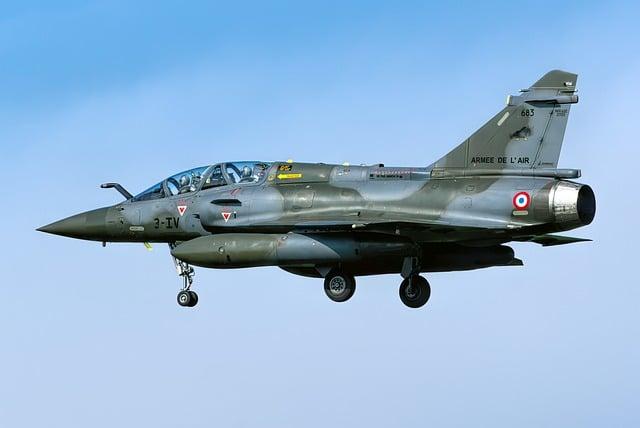
A French fighter jet operating under a NATO mission shot down an unidentified drone in Latvian airspace, Reuters reports. The incident marks a significant enforcement action amid heightened security concerns in the Baltic region, as NATO steps up efforts to monitor and secure its member states’ airspace. Details about the drone’s origin and intent remain unclear, while Latvian and French officials continue to investigate the encounter.
French Jet Intercepts Unauthorized Drone Over Latvian Airspace Raising Security Concerns
In a swift and decisive response, a French fighter jet assigned to a NATO mission neutralized an unauthorized drone that had entered Latvian airspace without clearance. The incident has sparked heightened concern among Baltic states, highlighting the ongoing challenges in safeguarding regional air sovereignty. Officials confirmed the drone was detected early and was deemed a potential threat, prompting the immediate military intervention. This event underscores the complexities of modern aerial security where unmanned systems pose emerging risks beyond traditional aircraft.
NATO sources emphasized the importance of vigilance and coordination among member nations in addressing such incursions. Enhanced radar detection capabilities and rapid deployment protocols are now under review to prevent future breaches. The drone’s origin remains under investigation, with analysts pointing to increased surveillance and reconnaissance activities in the area. Key takeaways from the incident include:
- Rapid interception: Aircraft scrambled within minutes of detection.
- Airspace sovereignty: Reinforced commitment to protect sovereign skies.
- Emerging security threats: Growing concerns over drone usage in contested zones.
| Aspect | Details |
|---|---|
| Intercepting Force | French Air Force (NATO mission) |
| Location | Latvian Territorial Airspace |
| Drone Status | Destroyed |
| Response Time | Under 10 minutes |
| Security Impact | Heightened alert in Baltic region |
NATO’s Enhanced Air Surveillance Operations in the Baltic Region Under Scrutiny
The recent incident involving a French fighter jet shooting down an unidentified drone over Latvian airspace has intensified debates about NATO’s surveillance protocols and operational readiness in the Baltic region. This event, occurring amid heightened tensions between NATO and neighboring powers, underscores the alliance’s commitment to securing its eastern frontier through rapid response capabilities. NATO forces in the Baltics have been on alert, employing advanced radar and reconnaissance systems to detect and neutralize potential threats, reflecting an evolving security landscape where aerial sovereignty is fiercely contested.
Key aspects of NATO’s enhanced air surveillance include:
- Increased air patrols by allied jets from multiple NATO countries
- Integration of sophisticated radar and sensor technologies for early threat detection
- Joint training exercises aimed at improving interoperability among Baltic air forces
| Operation Aspect | Current Status | Significance |
|---|---|---|
| Air Patrols | Ongoing daily sorties | Deterrence and rapid threat response |
| Radar Systems | Upgraded for enhanced range | Improved detection accuracy |
| International Collaboration | Regular joint drills | Increased operational cohesion |
Experts Urge Strengthened Drone Detection Systems and Clear Engagement Protocols for Alliance Forces
In the wake of the recent incident involving a French fighter jet intercepting and neutralizing an unauthorized drone over Latvian airspace, defense experts emphasize an urgent need for advanced drone detection technologies. Current radars and surveillance systems face limitations in identifying low-altitude, small-sized UAV threats, necessitating investment in multi-sensor integrated detection networks. Alliance forces must leverage artificial intelligence and real-time data sharing to enhance situational awareness across borders and reduce response times during incursions.
Equally critical is the establishment of transparent and standardized engagement protocols to prevent miscommunication during aerial encounters. Experts propose the following key measures for immediate adoption within NATO operations:
- Unified Rules of Engagement: Clear criteria for drone identification, threat assessment, and authorized countermeasures.
- Communication Channels: Dedicated secure lines for rapid notification between coalition members upon detection of aerial threats.
- Joint Training Exercises: Simulated scenarios to improve interoperability and decision-making under pressure.
- Incident Reporting Framework: Standard procedures for documenting engagements to support accountability and strategic reviews.
| Factor | Current Status | Recommended Improvement |
|---|---|---|
| Detection Range | Limited to medium/high altitude | Expand to low-altitude multi-sensor systems |
| Identification Protocol | Fragmented & variable by region | Standardized NATO-wide protocols |
| Response Time | Delayed due to communication gaps | Real-time data sharing & alerts |
| Training | Primarily national-level | Joint multinational exercises |
Final Thoughts
The incident marks a significant moment in NATO’s ongoing efforts to monitor and secure its eastern borders amid heightened regional tensions. As allied forces continue to respond swiftly to perceived aerial threats, NATO officials emphasize the importance of maintaining vigilance and cooperation among member states. Further details on the drone’s origin and the circumstances surrounding the engagement remain under investigation.