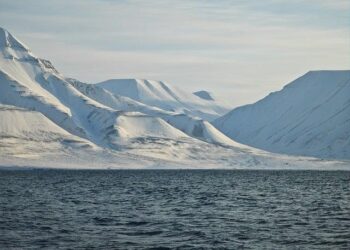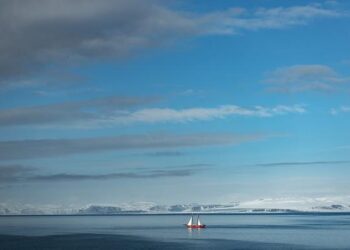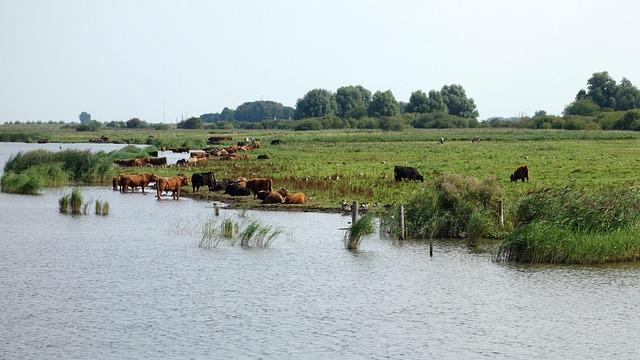
Approximately one-sixth of mainland Norway is designated as protected areas, according to recent data released by Statistisk sentralbyrå (Statistics Norway). This significant portion underscores the country’s commitment to preserving its natural landscapes and biodiversity amid growing environmental concerns. The statistics provide a detailed overview of the distribution and scope of these protected regions, highlighting Norway’s role in global conservation efforts.
Mainland Norway Commits Extensive Land to Conservation Efforts
Norway has taken a definitive step towards preserving its natural heritage by allocating nearly 16.5% of its mainland to protected areas. This remarkable commitment reflects the country’s dedication to balancing development with environmental stewardship. These protected zones include national parks, nature reserves, and landscape protection areas, which collectively span vast forests, mountains, wetlands, and coastal ecosystems. Experts highlight that such extensive conservation efforts contribute significantly to biodiversity preservation and climate change mitigation.
The distribution of these protected landscapes varies regionally, with some counties designating larger portions of their territory for conservation than others. The protected lands serve multiple purposes beyond safeguarding wildlife habitats; they also promote sustainable outdoor recreation and safeguard cultural landmarks. Below is an overview of key protections by category:
| Type of Protected Area | Coverage (%) of Mainland | Primary Objective |
|---|---|---|
| National Parks | 8.2% | Preservation of natural landscapes and ecosystems |
| Nature Reserves | 5.7% | Protecting rare species and habitats |
| Landscape Protection Areas | 2.6% | Conservation of cultural and historical landscapes |
- Forests: Home to diverse flora and fauna, crucial for carbon sequestration.
- Wetlands: Vital for migratory birds and natural water filtration.
- Mountains: Preserve unique alpine ecosystems and support tourism.
Analyzing the Impact of Protected Areas on Biodiversity and Local Communities
Protected areas in Norway now cover approximately 16.7% of the mainland, reflecting a national commitment to conserving natural habitats and ensuring the survival of diverse species. These regions serve as critical refuges for flora and fauna, particularly endangered species whose survival depends on undisturbed ecosystems. Recent studies show marked improvements in biodiversity indicators within these zones, including increases in native plant populations and the resurgence of vulnerable wildlife species such as the Eurasian lynx and Arctic fox. These areas contribute significantly to Norway’s ecological stability by maintaining vital ecosystem services like carbon sequestration, water purification, and soil preservation.
However, the establishment and management of protected areas also bring complex challenges to local communities. While nature conservation boosts eco-tourism and related economic opportunities, restrictions on resource extraction and land use can impact traditional livelihoods like forestry and small-scale farming. Collaborative governance models are increasingly adopted, involving residents in decision-making and fostering coexistence strategies. Below is an overview of the socioeconomic effects observed in municipalities adjacent to protected zones:
| Impact Area | Positive Effects | Challenges |
|---|---|---|
| Employment | Growth in eco-tourism jobs | Reduced access to forestry income |
| Community Engagement | Stronger local participation | Conflicts over land use priorities |
| Cultural Heritage | Preservation of traditional landscapes | Restrictions on customary resource use |
- Enhanced biodiversity protection: Conserves key habitats and species.
- Economic diversification: Encourages tourism and sustainable enterprises.
- Community involvement: Empowers locals in environmental stewardship.
- Resource use limitations: Requires balancing conservation with livelihoods.
Strengthening Environmental Policies to Sustain Norway’s Protected Landscapes
Norway’s commitment to preserving its natural heritage is evident, yet the challenge remains to enhance the effectiveness of environmental policies to ensure the longevity of these invaluable protected areas. Strengthening regulatory frameworks is critical to balancing economic development with conservation priorities. Key measures under discussion include tighter restrictions on land use changes near conservation zones, increased funding for monitoring biodiversity, and stronger collaboration between government agencies and local communities.
The government is also focusing on integrating sustainable tourism practices to reduce human impact on fragile ecosystems. Emphasis is placed on educating the public and engaging stakeholders in proactive stewardship. Below is an overview of current policy initiatives aimed at safeguarding protected landscapes:
- Enhanced Monitoring: Deploying advanced technologies such as satellite surveillance to track environmental changes.
- Community Engagement: Incentivizing local participation in conservation efforts through grants and awareness programs.
- Legislative Reforms: Updating laws to address emerging threats like climate change and invasive species.
| Policy Area | Key Actions | Expected Outcome |
|---|---|---|
| Land Use Regulation | Stricter zoning laws | Reduced habitat fragmentation |
| Biodiversity Monitoring | Tech-enabled data collection | Early threat detection |
| Public Involvement | Community grants & education | Increased local stewardship |
The Way Forward
As Norway continues to prioritize the preservation of its natural landscapes, the revelation that a sixth of the mainland is designated as protected areas underscores the country’s commitment to environmental conservation. According to Statistics Norway, these measures not only safeguard biodiversity but also contribute to sustainable development and outdoor recreation opportunities for future generations. As global discussions around climate change and habitat loss intensify, Norway’s example offers valuable insights into balancing ecological stewardship with societal needs.