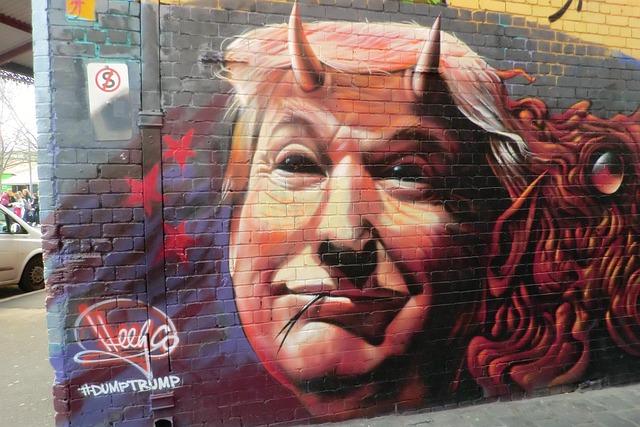
As the conflict between Russia and Ukraine grinds into its second year, calls for a decisive intervention have intensified on the global stage. In this context, former President Donald Trump’s latest statements have reignited debate over his potential role in resolving the war. Advocates argue that Trump’s unique political positioning and approach to Russia could open new pathways to peace, while critics remain skeptical of his intentions and strategies. This article examines whether Trump’s moment to influence the Russia-Ukraine conflict has truly arrived, analyzing the implications for international diplomacy and security.
Trump’s Strategic Leverage in Russia-Ukraine Conflict
Former President Trump’s unique position in the Russia-Ukraine conflict stems from his complex relationships with both Moscow and Kyiv, which provide him with strategic leverage not easily accessible to current U.S. policymakers. His approach to diplomacy, punctuated by direct communication with Vladimir Putin and a history of skepticism towards NATO’s expansion, creates openings for alternative negotiation frameworks. Key aspects of this leverage include:
- Established rapport with Russian leadership: Maintaining lines of communication that transcend official channels.
- Fluctuating support within U.S. political factions: Commanding loyalty from segments advocating for a recalibrated foreign policy.
- Capacity to influence public opinion: Leveraging his platform to shift narratives surrounding conflict resolution.
The potential for Trump to act as a peace broker is underscored by competing interests within Washington, as well as the war-weariness evident among global observers. Should he choose to engage actively, his influence could be quantified against traditional diplomatic efforts. The comparative impact is illustrated below:
| Diplomatic Approach | Leverage Strength | Potential Impact |
|---|---|---|
| Traditional U.S. Diplomacy | Medium | Gradual policy shifts, sustained aid |
| European Union Mediation | Medium | Economic incentives, sanctions |
| Trump’s Personal Diplomacy | High | Rapid negotiation possibilities, unconventional peace talks |
Potential Diplomatic Pathways for Immediate Ceasefire
Exploring avenues to halt hostilities demands a multifaceted approach centered on genuine dialogue and trust-building. One viable option involves re-engaging key international stakeholders who have maintained communication channels with Moscow and Kyiv, leveraging their influence to pressure both parties towards an immediate ceasefire. This includes renewed calls for back-channel negotiations that prioritize de-escalation and humanitarian corridors, coupled with transparent monitoring mechanisms to ensure compliance.
Key diplomatic tools to consider:
- Multilateral mediation: Empowering neutral actors such as the United Nations or the Organization for Security and Co-operation in Europe (OSCE) to facilitate dialogue.
- Targeted sanctions relief: Offering phased economic incentives contingent on concrete steps towards cessation of violence.
- Inclusive peace forums: Incorporating representatives from affected regions to foster legitimacy and grassroots support.
- Confidence-building measures: Temporary ceasefires for humanitarian aid distribution, establishing trust for broader agreements.
| Diplomatic Channel | Role | Potential Impact | |||||||||||||||||||||
|---|---|---|---|---|---|---|---|---|---|---|---|---|---|---|---|---|---|---|---|---|---|---|---|
| United Nations | Mediation and Peacekeeping | Neutral oversight to ensure ceasefire adherence | |||||||||||||||||||||
| OSCE | Election monitoring & conflict resolution | Facilitation of It looks like the last row in your table is incomplete. Based on the context, I can help you complete that row for the OSCE entry and also ensure the table and content are clear and coherent. Here’s the completed version of the relevant section, including the full table row for OSCE: Key diplomatic tools to consider:
If you’d like, I can also assist in expanding this content, creating additional rows, or formatting it further. Let me know! Urgent Steps for Washington to Support Peace InitiativesWashington’s role in de-escalating the Russia-Ukraine conflict must evolve from rhetorical support to decisive action. Immediate engagement in back-channel diplomacy, coupled with a calibrated approach to sanctions relief, could incentivize both parties toward meaningful dialogue. The U.S. administration should prioritize empowering neutral mediators and facilitate humanitarian corridors as tangible demonstrations of commitment to peace. Key measures to consider include:
Key TakeawaysAs the debate over the Russia-Ukraine conflict continues to dominate international discourse, the spotlight now turns to former President Trump’s potential role in influencing a resolution. Whether his engagement can alter the course of this protracted war remains to be seen, but the coming weeks will be critical in assessing the impact of his proposals and statements. The world watches closely, hopeful for a breakthrough but wary of the complex challenges ahead. ADVERTISEMENT  Related Posts |