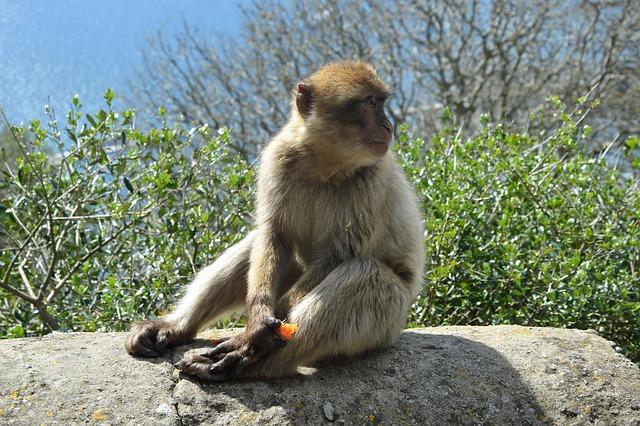
Geophagy in Gibraltar Barbary Macaques: A Primate Tradition Shaped by Human Influence
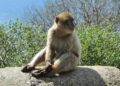
In a surprising twist to primate behavior, researchers have uncovered that the practice of geophagy-deliberate soil consumption-among Gibraltar’s iconic Barbary macaques is not purely instinctual, but significantly influenced by human activity. The new study published in Scientific Reports by Nature reveals how centuries of close interaction between humans and these macaques have molded this age-old tradition, shedding light on the complex interplay between wildlife behavior and anthropogenic environments. This groundbreaking insight not only challenges previous assumptions about primate habits but also raises important questions about the impact of human presence on animal cultures.
Geophagy in Gibraltar Barbary Macaques Reveals Deep-Rooted Primate Behavior
The recent study unveiled fascinating insights about the geophagic practices of Gibraltar’s Barbary macaques, highlighting this behavior as not merely instinctive but significantly influenced by human activity. Researchers observed that these primates engage in soil consumption primarily in areas with increased tourist presence, suggesting that the availability of human-modified environments affects their foraging choices. The soil’s mineral composition, particularly its high levels of essential nutrients like iron, calcium, and magnesium, appears to play a crucial role in this behavior, providing dietary supplementation that the macaques might not obtain from their natural diet alone.
Beyond nutritional benefits, geophagy could serve as a coping mechanism to mitigate the impact of dietary toxins or gastrointestinal distress. The study draws attention to several key factors that contribute to this behavior:
- Anthropogenic habitat alteration: Human-induced changes have created novel ecological niches favoring geophagy.
- Mineral resource availability: Specific soil types rich in minerals attract macaque groups.
- Social learning: Transmission of geophagic habits among troop members reinforces this tradition.
This combination of environmental and social elements paints a complex picture of a learned primate tradition, deeply entwined with human presence on the Rock.
| Factor | Impact on Geophagy |
|---|---|
| Tourist Density | Increased soil exposure and disturbance |
| Soil Mineral Content | Supplements dietary deficiencies |
| Social Behavior | Encourages habitual soil consumption |
Human Influence Drives Soil-Eating Practices Among Gibraltar Macaques
Recent studies have unveiled a striking connection between human activity and the soil-eating habits observed in Gibraltar Barbary macaques. This unusual practice, known scientifically as geophagy, appears less rooted in natural instinct and more a direct response to anthropogenic influences on their environment. Researchers suggest that changes in the macaques’ habitat-driven by tourism, urban expansion, and altered food availability-are encouraging this traditionally rare behavior to become a widespread survival tactic within the troop.
The soil consumed is not random; it specifically consists of clay-rich deposits containing essential minerals that help macaques neutralize dietary toxins and supplement their nutrition in increasingly scarce conditions. Field observations paired with chemical analyses have identified several key benefits:
- Detoxification: Clay compounds bind to harmful substances in plants
- Mineral intake: Providing vital elements like calcium and iron
- Digestive aid: Enhancing gut health and nutrient absorption
| Soil Component | Functional Role |
|---|---|
| Kaolinite | Neutralizes alkaloid toxins |
| Calcium Carbonate | Supports bone health and metabolism |
| Iron Oxides | Prevents anemia in nutrient-poor diets |
These findings underscore the complex, sometimes unintended consequences of human presence on wildlife behavior, highlighting how primate traditions can evolve alongside shifting ecological and anthropogenic pressures.
Experts Call for Conservation Strategies Addressing Anthropogenic Impact on Macaque Habits
Recent studies reveal that the geophagy habits observed in Gibraltar’s Barbary macaques are not simply a natural behavior but are significantly shaped by human presence and activities. Experts emphasize that such anthropogenically induced traditions highlight the complex relationship between wildlife and expanding human environments. The macaques’ practice of soil consumption, commonly linked to mineral supplementation or detoxification, now appears influenced by urban waste management and alterations in the local ecosystem. Conservationists argue that addressing these human impacts is crucial to preserve the macaques’ health and the fragile ecological balance they inhabit.
To safeguard the future of the Barbary macaques, experts propose an integrated approach focusing on both habitat restoration and mitigative actions targeting human-wildlife interactions. Key strategies include:
- Waste control measures to reduce contamination and exposure to harmful substances.
- Public education campaigns encouraging responsible tourism and feeding practices.
- Ecological monitoring programs utilizing behavioral data to track changes in macaque habits over time.
- Collaboration with local stakeholders to implement sustainable land use policies.
| Conservation Focus | Predicted Outcome |
|---|---|
| Habitat Rehabilitation | Improved natural foraging |
| Human Interaction Management | Reduced unnatural behaviors |
| Educational Outreach | Greater public awareness |
| Pollution Control | Healthier macaque populations |
To Wrap It Up
The intriguing practice of geophagy among Gibraltar’s Barbary macaques sheds new light on the complex relationship between humans and wildlife. As this study published in Scientific Reports reveals, what was once believed to be a purely natural behavior is, in fact, influenced by human presence and activity. Understanding how anthropogenic factors shape such primate traditions not only deepens our knowledge of animal behavior but also underscores the lasting impact of human interactions on wildlife. As research continues, these insights could prove vital for conservation efforts, ensuring that the iconic Barbary macaques of Gibraltar remain a thriving symbol of nature’s resilience amid changing environments.