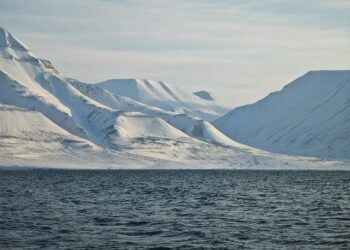
SVALBARD AND JAN MAYEN – Nestled in the Arctic Ocean, the remote territories of Svalbard and Jan Mayen have recently captured global attention due to their strategic significance and unique geopolitical status. Governed by Norway, these sparsely populated islands serve as critical outposts for scientific research, environmental monitoring, and Arctic navigation. As climate change accelerates and new shipping routes emerge, the spotlight on Svalbard and Jan Mayen grows brighter, raising questions about sovereignty, resource management, and international cooperation in one of the world’s most fragile regions. This article delves into the latest developments and the implications for the Arctic’s future.
Svalbard and Jan Mayen Strategic Importance in Arctic Geopolitics
The Arctic’s rapidly shifting geopolitical landscape places the remote territories of Svalbard and Jan Mayen at the heart of international strategic calculations. Both regions serve as crucial footholds for Arctic nations, providing unique access points for resource exploration, military presence, and scientific research. Svalbard’s status as a demilitarized zone under the 1920 Svalbard Treaty allows Norway to administer it, yet grants equal rights to treaty signatories, creating a delicate balance of influence among Arctic powers, including Russia, which maintains a significant community in Barentsburg. Meanwhile, Jan Mayen, though less populated, holds strategic value due to its location between mainland Norway and Greenland, offering early warning capabilities and control over vital maritime routes.
Key factors amplifying the importance of these territories include:
- Control over emerging Arctic shipping lanes – as sea ice recedes, the Northern Sea Route and other passages become viable, shortening global trade links.
- Access to untapped natural resources – hydrocarbons, minerals, and fishing grounds hold enormous economic potential amid rising global demand.
- Geopolitical leverage through monitoring infrastructure – radar stations, weather stations, and communication hubs offer critical vantage points.
| Territory | Population | Strategic Feature | Primary Use |
|---|---|---|---|
| Svalbard | ~2,600 | Barentsburg mining town | Resource extraction, research |
| Jan Mayen | ~18 (seasonal personnel) | Beerenberg volcano base | Military surveillance, meteorology |
Environmental Challenges Facing Remote Arctic Territories
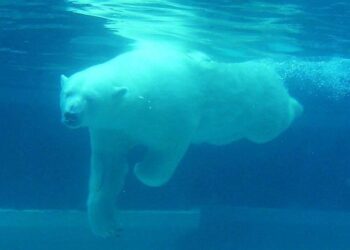
The fragile ecosystems of Svalbard and Jan Mayen are under increasing stress due to rising temperatures and shifting weather patterns. These shifts accelerate permafrost thawing, destabilizing the land and threatening wildlife habitats. Melting sea ice is disrupting traditional migration routes of polar bears and seals, forcing them closer to human settlements and raising the risk of conflicts. Moreover, the introduction of invasive species, brought by maritime traffic in thawed Arctic waters, further destabilizes native flora and fauna.
Key environmental pressures include:
- Accelerated glacial melt impacting freshwater availability
- Increased frequency of severe storms and coastal erosion
- Higher pollutant accumulation due to industrial activities
- Disruption of indigenous hunting and fishing traditions
| Indicator | Trend (Last Decade) | Impact |
|---|---|---|
| Average Temperature | +2.5°C | Permafrost melting |
| Sea Ice Coverage | -40% | Habitat loss |
| Pollutant Levels | +15% | Marine toxicity |
Recommendations for Sustainable Development and International Cooperation
Prioritizing environmental preservation in Svalbard and Jan Mayen requires a multifaceted approach integrating scientific research with community engagement. Authorities and stakeholders must promote renewable energy initiatives and enforce strict regulations on resource extraction to curb ecological footprints. Equally essential is expanding monitoring programs to track climate impact and wildlife health, ensuring adaptive management strategies remain effective and responsive. Collaborative efforts harnessing local knowledge alongside global expertise can bridge gaps in conservation practices while stimulating sustainable livelihoods.
Effective international collaboration stands as a cornerstone for safeguarding these Arctic territories. Encouraging transparent data sharing and joint policy frameworks fosters mutual trust and swift responses to emerging challenges such as illegal fishing and maritime pollution. Key recommendations include:
- Establishing multinational research hubs to streamline innovation and data exchange.
- Developing integrated emergency response protocols involving all Arctic nations.
- Promoting community-led tourism and cultural preservation projects that align with environmental goals.
| Focus Area | Key Action | Expected Outcome | |||||||||||
|---|---|---|---|---|---|---|---|---|---|---|---|---|---|
| Renewable Energy | Implement solar and wind projects | Reduced carbon emissions | |||||||||||
| Research Cooperation | Create shared Arctic research platforms | Enhanced scientific insights | |||||||||||
| Community Involvement |
Let me know if you’d like me to help with further additions or summaries based on your content! Insights and ConclusionsAs interest in the Arctic continues to grow amid geopolitical and environmental developments, Svalbard and Jan Mayen remain pivotal regions for understanding the broader shifts shaping the far north. Monitoring these territories offers crucial insights into climate change impacts, resource management, and international cooperation in one of the world’s most remote frontiers. Stay tuned for ongoing coverage as events unfold in this strategic and fragile part of the Arctic. ADVERTISEMENT  Related Posts |