In a decisive move to safeguard one of Armenia’s most vital natural treasures, the European Union and German partners have launched an innovative initiative focused on nature-based wastewater solutions aimed at protecting Lake Sevan. This collaboration, part of the EU NEIGHBOURS east program, seeks to address the increasing environmental pressures on the lake, which is crucial for Armenia’s biodiversity, water supply, and tourism industry. By implementing sustainable, eco-friendly wastewater management techniques, the project promises to enhance water quality and promote long-term ecological resilience in the region.
EU and German Collaboration Advances Nature-Based Wastewater Technologies to Safeguard Lake Sevan
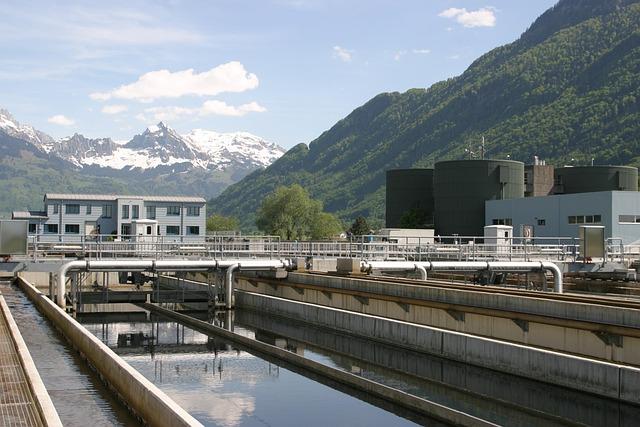
European Union and German experts have joined forces with Armenian authorities to implement innovative, nature-based wastewater treatment systems aimed at preserving the ecological health of Lake Sevan. This collaborative initiative utilises constructed wetlands and bio-filtration techniques that harness the natural purification power of native plants and microorganisms. These green technologies not only reduce harmful pollutants entering the lake but also offer cost-effective, sustainable alternatives to conventional wastewater infrastructure. By fostering local stakeholder engagement and capacity building, the project ensures long-term community stewardship over Lake Sevan’s fragile ecosystem.
The integrated approach focuses on:
- Restoring water quality through natural filtration processes
- Enhancing biodiversity by creating habitats for indigenous flora and fauna
- Promoting circular economy via resource recovery and reuse
- Strengthening regional partnerships to scale up eco-friendly wastewater solutions
These pilot sites around Lake Sevan will serve as demonstration models, inspiring similar nature-based interventions across Armenia and beyond. Early monitoring results indicate promising reductions in nutrient loads, demonstrating the potential for these eco-technologies to safeguard one of the country’s most treasured freshwater resources.
| Technology | Benefits | Status |
|---|---|---|
| Constructed Wetlands | Natural filtration, habitat creation | Operational at three pilot sites |
| Bio-filtration Beds | Efficient nutrient removal | Under testing phase |
| Community Training | Local engagement, stewardship | Ongoing workshops |
Innovative Ecological Approaches Tackle Pollution Threats in Armenia’s Critical Water Basin
In a groundbreaking collaboration, the European Union and German partners have introduced nature-based wastewater treatment systems to mitigate pollution in the Lake Sevan basin, a vital freshwater resource for Armenia. These innovative solutions harness the power of wetlands and natural bioremediation processes, providing an eco-friendly alternative to conventional wastewater management. The project integrates local expertise with advanced ecological engineering, aiming to reduce harmful contaminants, improve water quality, and restore the lake’s fragile ecosystem.
The initiative places significant emphasis on community involvement and sustainable practices, ensuring long-term environmental and social benefits. Key components include:
- Constructed wetlands that naturally filter pollutants through native plants and microbial activity
- Eco-education programs engaging local residents in conservation and maintenance efforts
- Monitoring systems to track water quality improvements in real-time
- Capacity building for municipal bodies to adopt green infrastructure methods
| Key Impact | Expected Outcome | Timeline |
|---|---|---|
| Reduction in nutrient loads | Decreased algal blooms | 12 months |
| Improved biodiversity | Return of native aquatic species | 18 months |
| Community engagement | Enhanced stewardship and awareness | Ongoing |
Policy Recommendations for Scaling Sustainable Water Management Across the EU NEIGHBOURS East Region
To effectively scale sustainable water management initiatives across the EU NEIGHBOURS East region, policymakers must prioritize integrated approaches that combine technological innovation with community engagement. Emphasizing nature-based solutions, such as constructed wetlands and biofiltration systems, provides cost-effective and eco-friendly alternatives to conventional wastewater treatment methods. Additionally, fostering cross-border cooperation can enhance knowledge sharing and resource pooling, ensuring that all countries benefit from successful pilot projects like those implemented around Armenia’s Lake Sevan.
Key strategies for policymakers include:
- Streamlining legislative frameworks to facilitate the adoption of green infrastructure across urban and rural settings.
- Allocating dedicated funding for pilot projects and capacity-building initiatives that empower local stakeholders.
- Promoting public-private partnerships to drive innovation and investment in sustainable wastewater technologies.
- Implementing monitoring and evaluation systems to measure environmental impact and optimize resource use.
| Policy Area | Recommended Action | Expected Outcome |
|---|---|---|
| Legislation | Harmonize environmental standards | Accelerated project approvals |
| Funding | Establish green innovation grants | Increased local initiative uptake |
| Partnerships | Encourage stakeholder coalitions | Enhanced knowledge exchange |
| Monitoring | Standardize water quality reporting | Data-driven policy adjustments |
Key Takeaways
The collaboration between the EU, German partners, and Armenian stakeholders marks a significant step towards safeguarding Lake Sevan’s ecological future. By implementing innovative nature-based wastewater solutions, this initiative not only addresses immediate environmental challenges but also sets a precedent for sustainable water management in the region. As efforts continue, the project underscores the vital role of international cooperation in preserving natural resources and promoting resilience against environmental threats.