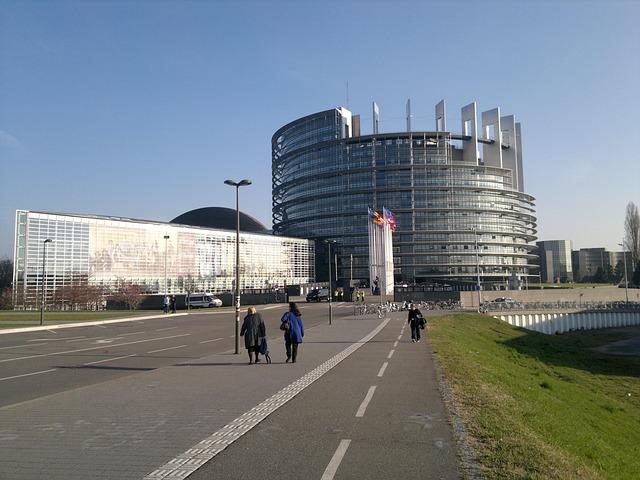
The European Parliament is set to vote on a new report addressing concerns over democratic backsliding in Georgia, underscoring growing unease within the EU about the country’s political trajectory. The report, which highlights issues related to the rule of law, judicial independence, and media freedom, reflects mounting apprehension about Georgia’s compliance with European democratic standards. As the vote approaches, the decision is poised to influence the future of Georgia’s EU integration prospects and signal the European Union’s stance on democratic governance in its Eastern Partnership region.
European Parliament Assessing Democratic Setbacks in Georgia
The European Parliament is preparing to vote on a comprehensive report that highlights pressing concerns regarding Georgia’s recent democratic trajectory. The document underscores issues such as judicial independence erosion, media freedom constraints, and political polarization, signaling a clear warning to Georgian authorities about the need to uphold democratic norms. Lawmakers emphasize that these setbacks risk undermining the progress made since Georgia’s 2012 democratic transition.
Key points raised in the report include:
- Compromised judicial autonomy: Instances of political influence in court decisions.
- Challenges to press freedom: Increased pressure and censorship on independent media outlets.
- Political fragmentation: Growing adversarial politics threatening consensus-building.
- Election integrity concerns: Calls for improved transparency and fairness in upcoming polls.
| Democracy Indicator | Recent Change | Implication |
|---|---|---|
| Judicial Independence | Decreased | Risk of politicized rulings |
| Media Freedom | Restricted | Less pluralistic discourse |
| Electoral Process | Questioned | Reduced voter confidence |
| Political Dialogue | Stalled | Increased polarization |
Detailed Analysis Highlights Concerns Over Media Freedom and Judicial Independence
The recent report scrutinizing Georgia’s democratic trajectory places significant emphasis on alarming trends affecting media freedom and judicial independence. Several watchdog organizations highlight a growing pattern of political influence over public broadcasters and an increase in legal pressures on investigative journalists. These developments threaten the foundational principles of free and independent journalism, crucial for maintaining a transparent society. The report warns that without immediate corrective measures, media outlets risk falling under further state control, reducing the space for public scrutiny and debate.
Parallel concerns are raised about the judicial system’s autonomy, citing instances of appointment irregularities and undue governmental interference in key court decisions. Such actions, critics argue, undermine the separation of powers and erode public trust in legal institutions. The following table summarizes key issues flagged:
| Issue | Evidence | Potential Impact |
|---|---|---|
| Media Ownership | Concentration in state-friendly entities | Reduced editorial independence |
| Judicial Appointments | Bypassing standard vetting procedures | Politicization of courts |
| Legal Harassment | Lawsuits against investigative reporters | Chilling effect on press freedom |
- Media Freedom: Calls for transparent ownership and protection of journalists.
- Judicial Reforms: Emphasis on unbiased, merit-based appointment processes.
- International Oversight: Urges EU engagement to ensure adherence to democratic standards.
Recommendations Call for Strengthened Rule of Law and Enhanced EU Engagement
The European Parliament report highlights the urgent need to reinforce the principles of justice and accountability within Georgia, urging all stakeholders to commit to transparent judicial reforms. It stresses that without substantial progress in upholding the rule of law, democratic erosion will continue to undermine the country’s path toward European integration. Key recommendations include:
- Independent judiciary: Ensuring complete autonomy of the courts from political influence
- Anti-corruption measures: Implementing strict oversight mechanisms to fight corruption at all levels
- Strengthened civil society: Empowering NGOs and media to hold governments accountable
Moreover, the report calls for enhanced EU engagement aimed at supporting Georgia’s democratic institutions through targeted financial assistance, increased diplomatic dialogue, and monitoring mechanisms tailored to the local context. This proactive involvement is seen as crucial to providing the momentum needed for reforms to take hold and to foster closer EU-Georgia relations. The report further proposes establishing a dedicated EU-Georgia cooperation framework with clear benchmarks, as illustrated below:
| Area | EU Support Focus | Expected Outcome |
|---|---|---|
| Judicial Independence | Capacity-building programs | Impartial court decisions |
| Anti-corruption | Transparency initiatives | Reduced graft levels |
| Civil Society | Funding & training | Vibrant democratic engagement |
Wrapping Up
As the European Parliament prepares to vote on the report scrutinizing Georgia’s democratic trajectory, the outcome will signal the bloc’s stance on governance and reform in the region. With concerns over democratic backsliding at the forefront, the decision may influence future EU-Georgia relations and the country’s path toward European integration. Observers await the vote closely, recognizing its implications for both Georgia’s political landscape and the broader stability of Eastern Europe.