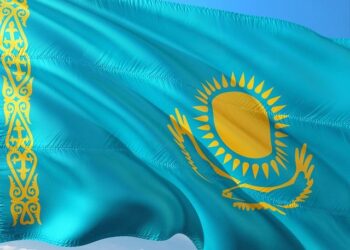
Kazakhstan’s upcoming Kurultai election marks a pivotal moment not only for the nation’s internal political landscape but also for the broader dynamics of Central Asia. As the region grapples with shifting power balances and growing economic ambitions, the vote is being closely watched as a domestic test of Kazakhstan’s ability to assert its leadership role. This election could signal how Kazakhstan navigates challenges at home while projecting influence amid competing regional interests-a development that holds significant implications for Central Asia’s future geopolitical and economic trajectory.
Kazakhstan’s Kurultai Election Signals Shift in Regional Power Dynamics
The recent Kurultai election in Kazakhstan highlights a complex interplay of domestic political strategies and emerging regional ambitions within Central Asia. Beyond being a mere internal political event, the gathering serves as a barometer for Kazakhstan’s evolving role amid shifting alliances and influence from neighboring powers such as Russia, China, and Turkey. This election underscores Astana’s calculated efforts to consolidate authority while navigating the geopolitical pressures that define the region’s fragile balance. Analysts observe that the Kurultai’s outcomes could set a precedent for future engagements across Central Asia, where regional unity and contestation coexist in an uneasy truce.
Key indicators from the election reveal a multifaceted approach to governance, blending traditional consultative forums with modern statecraft. The composition of elected delegates signals an increased emphasis on economic diversification, security cooperation, and cultural diplomacy, critical factors influencing Central Asia’s political landscape.
- Promotion of regional infrastructure projects aligning with the Belt and Road Initiative
- Enhanced transnational dialogue platforms to mitigate border disputes
- Strengthened legislative oversight on foreign investments
- Increased political participation of youth and minority groups
| Factor | Impact on Regional Power |
|---|---|
| Economic Reform Initiatives | Boosts Kazakhstan’s bargaining power |
| Security Collaboration | Enhances collective defense capabilities |
| Cultural Diplomacy | Strengthens soft power influence |
| Youth Engagement | Ensures leadership continuity |
Implications for Central Asia’s Integration and Diplomatic Strategies
Kazakhstan’s recent Kurultai election serves as more than just a domestic political exercise-it is a barometer for Central Asia’s broader regional ambitions. As the most populous and economically influential state in the region, Kazakhstan’s maneuvering reflects and often sets the tone for integration efforts among its neighbors. The election outcomes, shaped by intricate local power dynamics, hint at how Kazakhstan might reconfigure its diplomatic posture to balance relations with major players like China, Russia, and the West. This internal political event could either accelerate or hinder multilateral initiatives aimed at deepening economic ties, infrastructure projects, and security cooperation within Central Asia.
Moreover, the Kurultai results underscore the complexities Central Asian nations face when seeking cohesive regional strategies. While there is a shared interest in stability and economic growth, divergent national priorities and external influences often dilute collective action. Key implications include:
- Political Cohesion Challenges: Kazakhstan’s political signals may encourage neighboring states to recalibrate their own integration policies.
- Diplomatic Flexibility: The balance of power shifts require diplomats to adopt adaptable strategies that can address evolving alliances.
- Economic Integration Prospects: Domestic political stability in Kazakhstan is pivotal to unlocking larger infrastructure and trade projects in the region.
| Factor | Impact on Regional Integration | Diplomatic Consideration |
|---|---|---|
| Domestic Political Stability | Enables consistent regional policy-making | Maintain open communication channels with domestic factions |
| External Influences | Complicates unified regional stance | Employ multi-vector diplomacy balancing interests |
| Economic Diversification | Strengthens economic interdependence | Promote regional trade agreements and joint ventures |
Recommendations for Enhancing Domestic Political Stability to Support Regional Ambitions
Crafting a resilient domestic political environment is pivotal for Kazakhstan as it pursues its broader regional objectives. Ensuring inclusivity in political processes by expanding representation beyond established elites will help mitigate internal divisions and foster national unity. Moreover, enhancing transparency in electoral mechanisms can restore public trust and set a benchmark for democratic practices in the region. Prioritizing civil society engagement and protecting freedom of speech will empower citizens to actively contribute to policy debates, ultimately reinforcing governance legitimacy.
Strategic investments in social infrastructure are equally vital. Developing initiatives focused on economic diversification and social welfare programs will reduce vulnerabilities associated with overreliance on natural resources and alleviate socio-economic disparities that often breed instability. Below is a summary table highlighting key domestic stability drivers alongside their potential regional impact:
| Domestic Stability Driver | Impact on Regional Ambitions |
|---|---|
| Political Pluralism | Strengthens diplomatic credibility |
| Transparent Electoral Processes | Sets democratic standards region-wide |
| Economic Diversification | Builds sustainable growth foundation |
| Social Welfare Expansion | Enhances societal cohesion |
Final Thoughts
As Kazakhstan navigates its Kurultai election, the outcome will reverberate beyond its borders, signaling the country’s political trajectory and ambitions within Central Asia. Observers will closely watch how this domestic electoral process shapes Kazakhstan’s role on the regional stage, reflecting broader trends of governance, stability, and influence in a strategically pivotal neighborhood. The results of this vote may well set the tone for the future of Central Asia’s evolving power dynamics in the years to come.