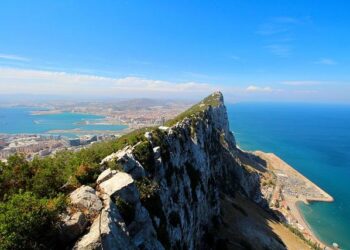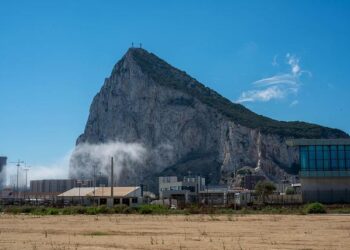
Gibraltar, a strategic British Overseas Territory located at the southern tip of the Iberian Peninsula, boasts a unique demographic profile shaped by its rich history and geopolitical significance. As a thriving hub bridging Europe and Africa, Gibraltar’s population dynamics offer valuable insights into migration patterns, cultural diversity, and socio-economic development within a compact territory of just six square kilometers. This article delves into Gibraltar’s population trends, age distribution, and ethnic composition, drawing on the latest data from Our World in Data to present a comprehensive country profile that highlights the demographic forces influencing its future growth and identity.
Gibraltars Population Trends Reveal Unique Demographic Challenges
Gibraltar’s population growth has exhibited distinctive patterns shaped by its geopolitical status and limited land area. Over recent decades, the territory has experienced moderate population increases, fueled primarily by immigration and natural growth. However, this growth masks an aging resident base, where the median age continues to rise, posing significant pressure on healthcare and social services. Notably, Gibraltar’s unique economic landscape, centered around finance, tourism, and shipping, attracts a workforce that fluctuates seasonally, creating challenges in urban planning and resource allocation.
Demographic data highlight a mixture of stability and transformation, with key trends including:
- An expanding elderly population, increasing demands for aged care
- Relatively low fertility rates affecting long-term population sustainability
- High population density-one of the highest in Europe-complicating housing and infrastructure
| Year | Total Population | Median Age (years) |
|---|---|---|
| 2000 | 27,000 | 34 |
| 2010 | 29,500 | 38 |
| 2020 | 32,000 | 42 |
Migration Patterns Shape the Cultural Landscape of Gibraltar
Gibraltar’s cultural mosaic is a direct outcome of centuries of diverse migration flows. Positioned at the crossroads of Europe and Africa, the territory has attracted settlers, traders, and military personnel from various parts of the world. The British colonial legacy combined with immigrants from the Mediterranean region, including Genoese, Maltese, and Moroccans, has contributed to a unique fusion of language, cuisine, and traditions. These influences are still prominent today, making Gibraltar a vibrant hub where multiple identities coexist and reshape the social fabric continuously.
Key groups shaping this cultural landscape include:
- British expats: Maintaining the official language and legal framework
- Gibraltarians of Genoese descent: Preserving Italian dialects and culinary practices
- North African communities: Introducing Arabic influences and dynamic marketplaces
- Maltese migrants: Adding religious festivals and architectural styles
| Migration Period | Dominant Group | Cultural Impact |
|---|---|---|
| 18th-19th Century | British Military | English language & legal system |
| 19th-20th Century | Genoese & Maltese | Languages & culinary traditions |
| 20th Century onwards | North African | Markets & religious diversity |
Policy Recommendations to Support Sustainable Growth in Gibraltar
To foster sustainable growth in Gibraltar, it is essential to implement targeted policies that address the unique demographic challenges of this densely populated territory. Emphasizing investments in green infrastructure can help balance urban development with environmental preservation, ensuring long-term livability. Policies should also prioritize expanding affordable housing to accommodate the growing workforce without exacerbating spatial constraints. Furthermore, developing accessible public transportation networks can alleviate traffic congestion, reduce carbon emissions, and enhance connectivity across Gibraltar’s limited geography.
Economic diversification remains critical to building a resilient future. Key measures include incentivizing the growth of technology and service sectors through tax benefits and streamlined regulations. Additionally, improving educational programs focused on digital skills will prepare Gibraltar’s young population for evolving job markets. The following strategic priorities highlight actionable steps for policymakers:
- Promote renewable energy projects to reduce reliance on imported fuels and lower overall emissions.
- Enhance healthcare services with special attention to an aging demographic.
- Support small and medium enterprises (SMEs) through targeted financing and innovation hubs.
- Encourage cross-border collaboration with neighboring regions to leverage labor mobility and economic synergies.
| Policy Area | Recommended Action | Expected Impact |
|---|---|---|
| Housing | Expand affordable units and regulate rental prices | Reduced overcrowding and enhanced quality of life |
| Transportation | Develop accessible, efficient public transit networks | Reduced congestion and lower carbon emissions |
| Energy | Promote renewable energy projects and infrastructure | Decreased reliance on imported fuels and sustainable energy supply |
| Healthcare | Enhance services with focus on aging population | Improved health outcomes and quality of care |
| Economic Development | Support SMEs and diversify economy through incentives | Increased economic resilience and job creation |
| Education | Improve digital skills and vocational training | Better employment prospects and workforce adaptability |
| Cross-border Collaboration | Facilitate partnerships with neighboring regions | Enhanced labor mobility and economic synergies |