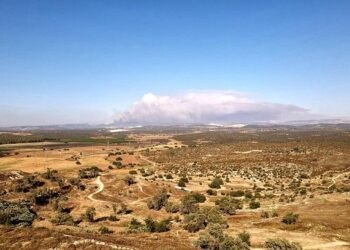
Athens is carefully assessing its strategic options in response to recent Turkish actions that have raised tensions in the Eastern Mediterranean. As Ankara continues to assert its claims over contested maritime zones and airspace, Greek officials are weighing diplomatic and military measures to safeguard national sovereignty and regional stability. This evolving situation underscores the growing complexities in Greek-Turkish relations and the broader geopolitical stakes in the area.
Greece Evaluates Diplomatic Strategies Amid Rising Tensions with Turkey
Greek officials are currently assessing a spectrum of diplomatic avenues as tensions with Turkey escalate over territorial claims and maritime rights in the eastern Mediterranean. Sources within the government indicate that Athens is considering a multi-pronged approach, which includes strengthening alliances within the European Union and NATO, while simultaneously seeking direct dialogue channels with Ankara to de-escalate potential conflicts. The focus remains on maintaining regional stability without compromising Greece’s sovereignty.
Key strategies under review feature:
- Enhanced cooperation with EU partners to apply diplomatic pressure and possible sanctions.
- Strengthening military readiness as a deterrent against aggressive moves.
- Exploring third-party mediation through international organizations.
A recently circulated internal brief highlights Greece’s priorities in the ongoing dispute, emphasizing the balance between assertiveness and diplomacy. The briefing outlines critical factors influencing Greece’s posture:
| Priority | Approach | Potential Outcome |
|---|---|---|
| Maritime Rights | Legal claims under UNCLOS | International court rulings |
| Military Presence | Increased surveillance & exercises | Deterrence |
| Diplomatic Outreach | EU & NATO collaboration | Unified Western response |
Military and Economic Implications of Recent Turkish Actions Explored
Turkey’s recent maneuvers in the Aegean and Eastern Mediterranean have sparked serious concern over both military dynamics and economic stability in the region. Athens is closely analyzing the deployment of new naval assets and increased air patrols near contested zones, which represent a shift toward a more assertive Turkish stance. The moves threaten to alter the existing balance of power, prompting Greece to consider enhancing its own defense capabilities, including potential acquisitions of advanced maritime drones and missile systems. The heightened military presence also raises questions about the possibility of unintended confrontations, escalating tensions along one of Europe’s most sensitive flashpoints.
On the economic front, the implications extend beyond defense budgets. Energy exploration rights and shipping routes remain core issues, intertwined with Turkey’s expanding activities. Greece is strategically evaluating its alliances and economic partnerships to counterbalance Ankara’s ambitions. The situation could potentially disrupt regional trade flows and delay crucial infrastructure projects, affecting not only bilateral relations but also wider EU energy security. Below is a snapshot of key military and economic factors under Greek consideration:
- Military: Enhanced coastal defenses, joint exercises with NATO allies, and modernized intelligence operations.
- Economic: Diversification of energy sources, strengthening maritime claims, and advancing alternative transport corridors.
- Diplomatic: Increased engagement with EU institutions and other Mediterranean countries to build a cohesive response.
| Aspect | Greek Measures | Turkish Actions |
|---|---|---|
| Naval Power | Modernization & procurement | Expanded patrol zones |
| Air Surveillance | Joint NATO operations | Frequent air incursions |
| Energy Exploration | New partnerships & infrastructure | Offshore drilling near disputed areas |
Experts Urge Strengthened Regional Alliances and Enhanced Defense Preparedness
Amid escalating tensions in the Eastern Mediterranean, defense analysts and regional strategists emphasize the urgent need for Greece to deepen cooperation with longstanding allies. Experts highlight that reinforcing existing partnerships within NATO and the European Union can serve as a critical deterrent against unilateral provocations. In particular, coordinated military exercises and intelligence sharing are recommended to improve situational awareness and response times across the Aegean Sea and beyond.
Furthermore, calls for enhanced defense readiness underline the importance of modernizing military infrastructure and investing in advanced surveillance technologies. Key measures proposed by defense experts include:
- Upgrading air defense systems to counter potential aerial threats.
- Expanding naval patrol capabilities for increased maritime domain control.
- Implementing rapid deployment mechanisms for quick reaction forces.
| Capability | Current Status | Improvement Focus |
|---|---|---|
| Air Defense | Intermediate-range systems | Integration of advanced missile interceptors |
| Naval Operations | Regular patrols, aging frigates | Procurement of new corvettes and drones |
| Rapid Deployment | Limited mobility units | Enhanced transport and logistics support |
Wrapping Up
As tensions continue to simmer in the Eastern Mediterranean, Greece’s measured response to Turkey’s recent actions underscores the complex and delicate nature of regional diplomacy. With both nations navigating a fraught geopolitical landscape, the coming weeks will be crucial in determining whether dialogue can prevail over confrontation. Observers will be closely monitoring developments as Athens weighs its options amid calls for restraint and strategic engagement.