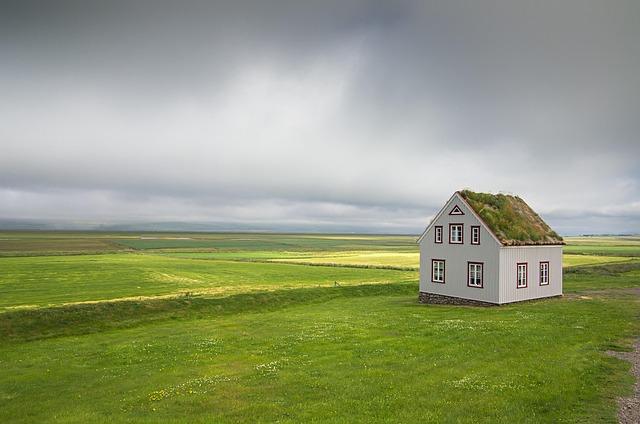
Iceland’s potential accession to the European Union has resurfaced as a topic of strategic and economic significance amid shifting geopolitical landscapes. Once a frontrunner in post-2008 EU enlargement discussions, the island nation’s EU membership bid has since stalled, reflecting domestic divisions and evolving priorities. As Europe grapples with energy security, climate policy, and regional cooperation, questions about whether Iceland will revive its EU aspirations have gained renewed urgency. This article examines the current state of Iceland’s relationship with the EU, the challenges and opportunities ahead, and what membership-or continued non-alignment-could mean for the country and the wider region.
Iceland’s EU Membership Prospects Amid Economic and Political Challenges
Economic volatility, driven by fluctuating fish stocks and energy prices, continues to cast uncertainty over Iceland’s potential accession to the European Union. Despite its strategic location and advanced infrastructure, Iceland grapples with balancing sovereignty against the benefits of integration. Key sectors such as fishing-accounting for nearly 40% of exports-remain fiercely protective of national control, wary that EU membership could impose new quotas and regulations undermining local livelihoods. On the political front, the fragmented domestic landscape complicates consensus, with eurosceptic parties gaining traction alongside pro-EU advocates.
Main factors influencing the membership debate include:
- Economic dependency on natural resources vulnerable to EU fishing policies
- National identity and concerns over loss of independent control
- Trade advantages weighed against regulatory compliance costs
- Public opinion fluctuating amid political and economic discontent
| Year | GDP Growth (%) | Public Support for EU Membership (%) | Political Climate |
|---|---|---|---|
| 2018 | 3.5 | 25 | Mixed, rising euroscepticism |
| 2021 | 2.1 | 30 | Divided, coalition government |
| 2024 | 1.8 | 28 | Uncertain, economic pressures |
Evaluating the Impact of EU Accession on Iceland’s Fisheries and Energy Sectors
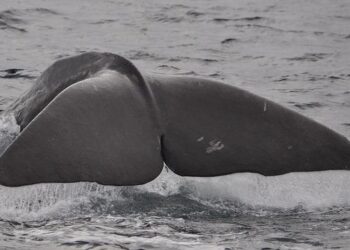
Iceland’s potential EU membership raises critical questions about the future of its fisheries sector, a cornerstone of the nation’s economy. Accession would subject Icelandic fisheries to the Common Fisheries Policy (CFP), which governs access to fishing waters and quotas among member states. While proponents argue this could enhance market stability and open new export opportunities within the EU, many locals fear a loss of sovereignty over their rich fishing grounds. Additionally, the redistribution of quotas may threaten small-scale fishers and regional economies dependent on traditional fishing practices.
Meanwhile, Iceland’s renewable energy sector-dominated by geothermal and hydropower-stands to benefit from closer integration with the EU’s energy market, promoting sustainable development and investment inflows. However, compliance with EU environmental regulations could impose stricter requirements on Icelandic projects, affecting operational flexibility. The table below summarizes some key potential impacts:
| Sector | Potential Benefits | Possible Challenges |
|---|---|---|
| Fisheries |
|
|
| Energy |
|
|
Strategic Recommendations for Iceland Navigating the Path to EU Integration
Iceland stands at a crucial juncture where aligning domestic policies with the complex framework of the European Union requires calculated and pragmatic steps. Prioritizing a robust regulatory overhaul to meet EU standards, especially in areas like environmental protection and fisheries management, will be essential to gain trust and expedite negotiations. Additionally, a clear communication strategy aimed at addressing public concerns-ranging from economic sovereignty to cultural identity-will play a critical role in shaping the national consensus on integration efforts.
Strategic focus must also extend to strengthening economic resilience by diversifying trade partnerships beyond traditional markets, while simultaneously engaging in dialogue with EU institutions to secure transitional provisions favorable to Iceland’s unique economic structure. Key recommendations include:
- Enhancing fisheries policy reform to align with the Common Fisheries Policy without sacrificing sustainable practices.
- Investing in renewables and green technologies to leverage EU environmental priorities for economic modernization.
- Developing a transparent negotiation roadmap that outlines phased integration milestones and citizen engagement measures.
| Key Areas | Strategic Action | Expected Impact | |||||||
|---|---|---|---|---|---|---|---|---|---|
| Fisheries | Policy alignment with CFP + sustainable quotas | Mitigates EU concerns, protects livelihoods | |||||||
| Economy | Diversify exports + strengthen financial regulations | Iceland stands at a crucial juncture where aligning domestic policies with the complex framework of the European Union requires calculated and pragmatic steps. Prioritizing a robust regulatory overhaul to meet EU standards, especially in areas like environmental protection and fisheries management, will be essential to gain trust and expedite negotiations. Additionally, a clear communication strategy aimed at addressing public concerns – ranging from economic sovereignty to cultural identity – will play a critical role in shaping the national consensus on integration efforts. Strategic focus must also extend to strengthening economic resilience by diversifying trade partnerships beyond traditional markets, while simultaneously engaging in dialogue with EU institutions to secure transitional provisions favorable to Iceland’s unique economic structure. Key recommendations include:
|