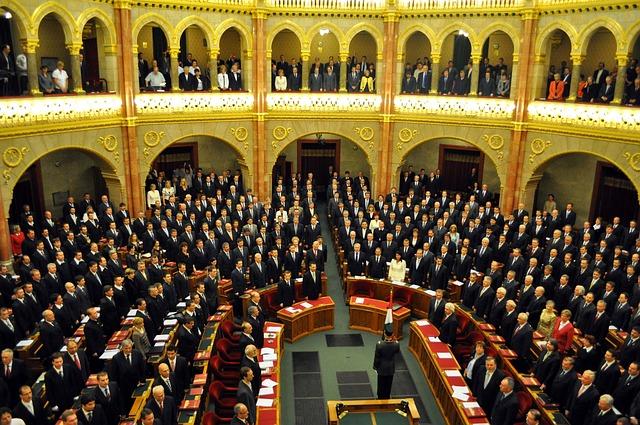
The unexpected political downfall of Hungarian Prime Minister Viktor Orbán has sent reverberations far beyond Budapest, significantly reshaping the political landscape of neighboring Serbia. Once considered a steadfast ally and model for nationalist governance in the region, Orbán’s decline marks a pivotal turning point for Serbian politics, raising questions about the future trajectory of the country’s leadership, its foreign alliances, and its approach to democratic governance. This article explores how Orbán’s fall has altered Serbia’s political calculus and what it means for the broader stability of Southeast Europe.
Orbán’s Defeat Signals a Shift in Serbia’s Regional Alliances
Hungary’s Prime Minister Viktor Orbán’s recent electoral defeat has rippled beyond Hungary’s borders, prompting a recalibration of Serbia’s diplomatic and strategic priorities within the Balkans. Previously tethered closely to Orbán’s nationalist and Russia-friendly agenda, Belgrade now faces the challenge of reassessing its alliances amid a transforming geopolitical environment. The abandonment of a staunch ally signals a potential thaw in Serbia’s longstanding nationalistic rhetoric, opening space for a more pragmatic approach to EU integration and regional cooperation.
Key shifts in Serbia’s regional stance include:
- Exploring deeper engagement with Western institutions, notably the European Union and NATO partnerships.
- Reducing overt dependence on Russian political backing and diversifying energy sources.
- Revitalizing dialogue with neighboring countries to mitigate historic tensions and foster economic collaboration.
| Aspect | Pre-Orbán Defeat | Post-Orbán Defeat |
|---|---|---|
| Foreign Policy Orientation | Pro-Russian, Nationalist | Balanced, EU-Engaged |
| Regional Cooperation | Limited, Skeptical | Increasingly Diplomatic |
| Energy Dependence | High on Russian Supplies | Seeking Alternatives |
Implications for Serbia’s Domestic Politics and Democratic Reform
Serbia now stands at a crossroads where the shifting political tides in Hungary have sent ripples through its own domestic landscape. The fall of Orbán’s regime has emboldened opposition forces and civil society groups, creating a renewed momentum for democratic reforms long stalled under authoritarian-leaning governance. Key political actors in Serbia are recalibrating strategies, aware that the regional balance of power is no longer anchored by a strong, populist Hungary. This changing dynamic has intensified debates over judicial independence, media freedom, and anti-corruption policies – areas where Serbian institutions have struggled to make substantial progress.
- Opposition Mobilization: Increased coordination and amplified calls for transparency.
- Reform Pressure: Renewed international scrutiny encourages legislative overhauls.
- Public Sentiment: Growing popular demand for democratic accountability and reduced executive overreach.
| Democratic Indicator | Pre-Orbán Fall | Post-Orbán Fall |
|---|---|---|
| Judicial Independence | Weak Enforcement | Strengthening Initiatives |
| Press Freedom | Restricted | Gradual Liberalization |
| Anti-Corruption Efforts | Largely Symbolic | Increasingly Serious |
Strategic Recommendations for Western Engagement and Support in Serbia
To effectively navigate Serbia’s evolving political landscape post-Orbán, Western actors must adopt a multi-faceted approach centered on engagement, transparency, and strategic patience. Encouraging democratic reforms should go beyond rhetoric, emphasizing practical support for independent media, judicial independence, and civil society initiatives. This requires sustained investment in local organizations that fight corruption and promote European integration, thereby building grassroots momentum less vulnerable to external autocratic influence. Moreover, fostering dialogue between Belgrade and Brussels must include enhanced economic cooperation-leveraging trade and infrastructure projects that present tangible benefits to Serbian citizens, reducing the appeal of alternative geopolitical alignments.
Western support interventions should be calibrated carefully to avoid direct confrontation or perceptions of interference that could harden nationalist sentiments. This can be accomplished by prioritizing:
- Capacity-building partnerships focused on governance and anti-corruption training
- Regional security collaborations that respect Serbia’s sovereignty while reinforcing stability
- Promoting youth exchange programs and educational initiatives to cultivate pro-Western perspectives over the long term
- Utilizing cultural diplomacy and soft power tools that highlight shared European values
Such a multi-pronged strategy acknowledges the complexity of Serbia’s societal divisions and geopolitical positioning, providing Western powers with a toolbox to cultivate influence organically rather than imposing it externally.
| Approach | Key Focus | Expected Impact |
|---|---|---|
| Civil Society Strengthening | Funding & training local NGOs | Greater transparency & accountability |
| Economic Cooperation | Closing Remarks