
NATO’s Role in Kosovo: A Cornerstone of Regional Stability
In the heart of the Balkans, Kosovo stands as a testament to NATO’s enduring commitment to peace adn security in a region historically fraught with conflict. As its intervention in the late 1990s, NATO has played a pivotal role in shaping Kosovo’s post-war landscape, transforming a scene of turmoil into one of relative stability. The establishment of the NATO-led Kosovo Force (KFOR) in 1999 marked a significant turning point, aimed at ensuring a safe and secure surroundings for all citizens in the region, irrespective of their ethnic backgrounds. As NATO’s headquarters in Kosovo continues to adapt to evolving geopolitical challenges, the alliance’s presence remains crucial in overseeing peacekeeping operations, fostering dialog, and supporting the country’s path toward democratic governance and integration into Euro-Atlantic structures. This article delves into the multifaceted role of NATO in Kosovo,examining its past context,ongoing missions,and the broader implications for regional security and cooperation.
The Historical Context of NATOs Intervention in Kosovo
The intervention in Kosovo by NATO was rooted in a complex web of historical, political, and social factors. Following the disintegration of Yugoslavia in the early 1990s, the region was marred by ethnic tensions and violent conflicts, particularly between Serbs and albanians in Kosovo. The situation escalated dramatically in 1998 when the Kosovo Liberation Army (KLA) began its insurgency against Serbian forces, which resulted in a brutal crackdown leading to widespread atrocities against civilians. Internationally, there was mounting concern over human rights violations, prompting calls for intervention. By early 1999,with diplomatic efforts failing and the humanitarian crisis worsening,NATO began to consider military action to prevent further loss of life and stabilize the region.
NATO’s military campaign, known as Operation Allied Force, commenced on March 24, 1999, marking a pivotal moment in the alliance’s history. It was the first time NATO engaged in a military operation without the explicit authorization of the United Nations,raising significant legal and ethical debates about the nature of intervention. The operation aimed not only to stop the humanitarian crisis but also to send a clear message against aggressive nationalism and ethnic cleansing. Ultimately, on June 10, 1999, NATO’s airstrikes led to the withdrawal of Yugoslav troops from Kosovo, paving the way for the establishment of a UN-administered territory and raising questions about the future governance of the region.
Operational Strategies and Military Presence of NATO in the Region
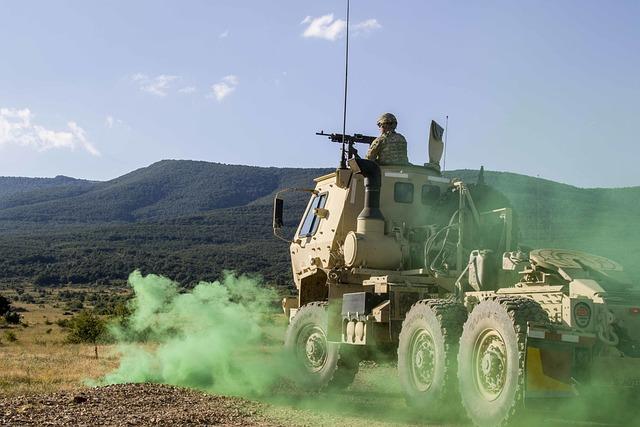
NATO’s operational strategies in Kosovo emphasize a multi-faceted approach aimed at ensuring stability and fostering a secure environment. Central to this strategy is the KFOR mission (Kosovo Force), which operates under a United Nations mandate and is tasked with maintaining peace and security in the region. KFOR’s operational themes include:
- Deterrence: Maintaining a visible and robust military presence to deter potential threats.
- Public Safety: Collaborating with local authorities to promote law and order.
- Crisis Management: Preparedness for rapid response in case of escalating tensions.
NATO’s military presence in the region consists of numerous troops and resources strategically deployed at various bases. These resources serve as a safeguard against instability while supporting local needs through various initiatives. The following table summarizes key aspects of NATO’s military presence:
| Base Name | Location | Troop strength |
|---|---|---|
| Camp bondsteel | Urosevac | 1,500 |
| Camp Marechal De Lattre De Tassigny | Gjakova | 600 |
| Camp Villach | Fushe Kosovo | 400 |

The Role of NATO in Supporting Kosovos Political Stability
NATO plays a pivotal role in fostering political stability in Kosovo by providing essential security guarantees and supporting democratic processes. Through the KFOR (Kosovo Force) mission, NATO ensures a safe and secure environment, which is essential for the establishment of a functioning government and the protection of the rights of all communities within the region. This military presence has led to the reduction of hostilities and has enabled the growth of political dialogue among various ethnic groups, thereby promoting inclusivity and cooperation.
In addition to security, NATO contributes to Kosovo’s political stability through various initiatives that enhance governance and institutional capacity. Key efforts include:
- Capacity Building: Assisting Kosovar institutions to develop effective governance frameworks.
- Defense Reform: Supporting the change of the Kosovo Security Force to ensure it operates in alignment with democratic practices.
- Public Awareness Campaigns: Promoting understanding of NATO’s role and fostering trust amongst the local population.
These initiatives not only stabilize Kosovo but also align with NATO’s broader strategic objectives of ensuring peace and security in the Western Balkans, reinforcing the importance of collaborative efforts in the region.

Human Rights and Humanitarian Efforts: NATOs Broader Impact
The role of NATO in Kosovo extends well beyond its military interventions; it significantly influences the advancement of human rights and focuses on fostering humanitarian efforts within the region. After the conflict in the late 1990s, NATO’s Kosovo Force (KFOR) was deployed to help establish and maintain a secure environment, which has been fundamental in facilitating the rebuilding of civil institutions. This mission included protecting minority communities, promoting freedom of expression, and ensuring access to justice for all citizens. Through various initiatives, NATO has collaborated with local NGOs and international organizations to address pressing human rights concerns, emphasizing the importance of inclusive governance and social cohesion.
Moreover, NATO’s humanitarian initiatives have been instrumental in facilitating the reintegration of displaced populations and promoting democratic values. These efforts are exemplified by programs designed to educate local law enforcement on human rights standards and support civil society organizations that advocate for vulnerable groups. The focus on gender equality has also been a priority; NATO has ensured that women have a voice in peacebuilding processes and have access to educational resources. Through sustained engagement and complete strategies, NATO’s impact in Kosovo has not only been significant in terms of security but also in nurturing an environment where human rights can thrive.

Recommendations for Strengthening NATOs Mission in Kosovo
To enhance NATO’s mission in Kosovo, it is crucial to focus on collaborative partnerships that empower local communities and foster regional stability.Strengthening relations with local governance and civil society organizations will ensure that diplomatic efforts align with the needs and aspirations of the Kosovar people. Initiatives could include:
- Community Engagement Programs: Enhance outreach efforts to engage citizens in dialogue and decision-making processes.
- training and Capacity Building: Provide military and emergency response training to local security forces to improve their readiness and capabilities.
- Cultural Exchange Initiatives: Promote understanding and cooperation through cultural events that celebrate diversity and shared history.
Furthermore, it is essential to adapt NATO’s operational strategies to respond to evolving security challenges. A proactive approach that incorporates technological advancements and intelligence-sharing will bolster NATO’s effectiveness. Recommendations include:
- Smart Defense Initiatives: Encourage member states to invest in joint military capabilities that can be utilized in Kosovo.
- Enhanced Cybersecurity Measures: Protecting critical infrastructure in Kosovo from potential cyber threats should be a priority.
- Regular Strategic Assessments: Conduct ongoing evaluations of the regional security landscape to swiftly adapt NATO’s mission and priorities.
The Future of NATO in Kosovo: challenges and Opportunities
The landscape of NATO’s involvement in Kosovo presents a complex interplay of challenges and opportunities that will shape its future role in the region. One of the primary challenges lies in the ongoing tensions between Kosovo and Serbia, which can adversely affect stability in the Balkans. NATO must navigate these geopolitical waters carefully,ensuring that it fosters dialogue while maintaining its commitment to peace and security. In addition, internal strife within Kosovo, including political divisions and economic struggles, serves as a backdrop against which NATO will need to operate. To address these challenges, NATO could benefit from:
- Enhanced diplomatic engagement: Strengthening partnerships with local political leaders and community organizations.
- Increased security cooperation: Working closely with KFOR to address emerging threats and maintain peace.
- Support for socio-economic development: Investing in initiatives that enhance the welfare of local communities, thereby reducing tensions.
On the other hand, these obstacles also present considerable opportunities for NATO to solidify its presence as a stabilizing force.Strengthening its mandate through continued collaboration with the European Union and other international bodies could enhance NATO’s effectiveness. An emphasis on proactive conflict resolution and peacebuilding initiatives could not only mitigate risks but also empower local stakeholders. Key opportunities for NATO in Kosovo include:
- Community engagement programs: Mobilizing local populations to participate in security and governance efforts.
- Capacity building: Offering training and resources to Kosovo’s security forces to strengthen national defense capabilities.
- Regional cooperation: Fostering links with neighboring countries to create a collective security framework.
Wrapping Up
NATO’s involvement in Kosovo has undeniably shaped the region’s path towards stability and security since the late 1990s. The alliance’s commitment to peacekeeping and rebuilding efforts has been pivotal in fostering a more secure environment for the people of Kosovo,facilitating their aspirations for democracy and development. While challenges remain, particularly in navigating the delicate political landscape and addressing ongoing ethnic tensions, NATO’s presence continues to serve as a crucial deterrent against potential conflicts. As the international community looks to the future, the alliance’s role will likely evolve, but its foundational contributions to Kosovo’s sovereignty and territorial integrity will remain a significant chapter in the region’s history. Continued dialogue, cooperation, and support from NATO and its partners will be essential as Kosovo strives for reconciliation and progress in the years ahead.