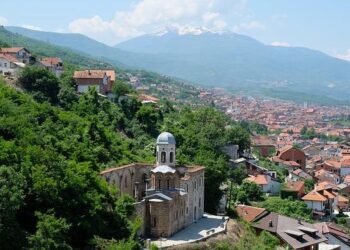
Applications for Kosovo documents using Serbian papers have officially commenced today, marking a significant step in cross-border administrative cooperation. This new procedure allows residents in Kosovo to apply for local identification documents by presenting Serbian-issued paperwork, aiming to streamline bureaucratic processes and enhance mobility in the region. The development, reported by European Western Balkans, reflects ongoing efforts to improve governance and address practical challenges faced by citizens in the complex political landscape of the Western Balkans.
Applications for Kosovo Documents Using Serbian Papers Commence Amid Complex Political Landscape
Today marks a significant development as officials in Kosovo have started processing applications for Kosovo-issued documents using Serbian-issued papers. This unprecedented move aims to ease bureaucratic hurdles for residents in the northern part of Kosovo, where Serbian documentation remains prevalent. The procedure, however, is layered with political sensitivity, reflecting ongoing tensions and the delicate status of identity recognition in the region. Officials emphasize that this step is part of broader efforts to normalize everyday life for local populations, even as political disputes continue to cast long shadows.
Key aspects of the new process include:
- Verification checks to ensure authenticity of Serbian documentation
- Integration of dual-documentation holders into Kosovo’s civil registry
- Close cooperation between Kosovo administrative bodies and European Union representatives overseeing implementation
Challenges remain, particularly from nationalist factions on both sides, but international actors highlight this as a pragmatic approach to address practical concerns without immediate political resolution. Below is a summary of the main document types now eligible for conversion:
| Serbian Document | Corresponding Kosovo Document |
|---|---|
| ID Cards | Kosovo Personal Identification Card |
| Driver’s Licenses | Kosovo Driving Permit |
| Birth Certificates | Kosovo Birth Certificate |
Procedural Challenges and Verification Measures for Cross-Border Document Recognition
The process of recognizing and validating documents issued by different national authorities across borders, particularly between Kosovo and Serbia, presents a complex set of procedural challenges. One of the primary obstacles is the divergence in legal frameworks and standards governing documentation, which often necessitates extensive cross-checking. Applicants must navigate through multiple verification steps, including authentication by both Kosovo and Serbian agencies, to ensure that their submissions meet the stringent requirements. These processes are further complicated by limited interoperability of digital record systems and occasional delays in communication between governmental bodies.
To address these concerns, several verification measures have been put into place to streamline document recognition and uphold the integrity of submissions. These include:
- Bi-national verification teams tasked with cross-referencing data and confirming document authenticity.
- Standardized digital templates to reduce variation and improve data accuracy during submission.
- Periodic audits aimed at identifying and resolving discrepancies.
- Enhanced training programs for officials to familiarize them with cross-border document types.
| Verification Step | Responsible Entity | Average Timeline |
|---|---|---|
| Initial Document Authentication | Serbian Civil Registry | 7 days |
| Cross-border Validation | Bi-national Team | 10 days |
| Final Confirmation & Approval | Kosovo Ministry | 5 days |
Recommendations for Streamlining Application Process and Enhancing Inter-Community Cooperation
To facilitate the seamless issuance of Kosovo documents based on Serbian papers, authorities should prioritize the establishment of a unified digital platform that allows real-time data verification across communities. This would significantly reduce bureaucratic delays and minimize the risk of document fraud. Key steps include:
- Integration of databases maintained by both Kosovo and Serbian institutions
- Regular cross-border staff training to ensure procedural consistency
- Introduction of clear guidelines and multilingual helpdesks for applicants
- Adoption of biometric verification systems to enhance security
Enhancing cooperation between local communities remains essential for trust building and smoother implementation of this new process. Creating joint liaison offices staffed by representatives from different ethnic groups will serve as a bridge for conflict resolution and information exchange. Additionally, community-driven initiatives should be supported to foster mutual understanding, as outlined in the table below:
| Initiative | Objective | Expected Outcome |
|---|---|---|
| Biweekly Community Forums | Dialogue platforms for addressing concerns | Improved trust and reduced tensions |
| Joint Cultural Events | Promote cultural exchange and collaboration | Enhanced social cohesion |
| Cross-community Training | Staff sensitization on ethnic diversity | More effective and respectful public service |
Concluding Remarks
As the application process for Kosovo documents using Serbian papers officially begins today, this development marks a significant step in the complex administrative and political landscape of the region. Authorities from both sides remain closely engaged, aiming to facilitate smoother access to official documentation for citizens caught between competing jurisdictions. Observers across the Western Balkans are watching closely to see how this policy unfolds and what implications it may have for future relations and regional stability. Further updates will follow as the situation evolves.