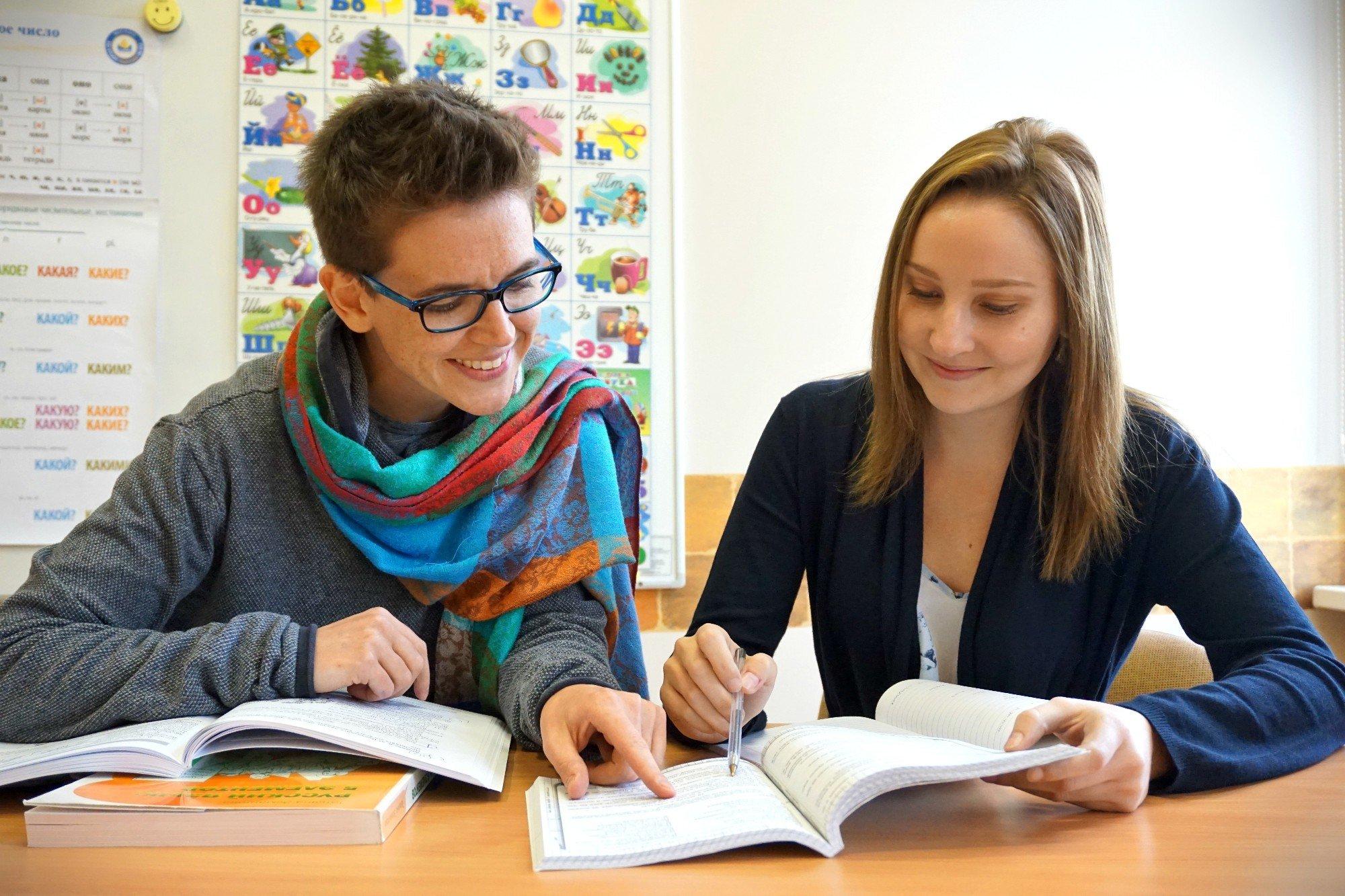
Rethinking Russian Language Instruction in Bulgaria: Balancing Heritage, Security, and National Identity
Background and Current Debates
Located at the intersection of Eastern Europe, Bulgaria is currently engaged in a heated discussion regarding the role of Russian language education within its schools. This debate stems from longstanding historical and cultural connections between Bulgaria and Russia, forged through shared linguistic roots and intertwined pasts. Yet, recent geopolitical shifts have heightened concerns about these ties. Some critics accuse educational policymakers of initiating what they describe as a “Russophobic campaign” aimed at curtailing Russian language teaching.
The heart of this controversy lies in reconciling respect for historical affiliations with apprehensions over external influence amid escalating regional instability. Opponents warn that continuing to emphasize Russian language instruction may inadvertently sustain loyalties toward a foreign power whose recent political maneuvers have unsettled many Eastern European nations. Meanwhile, proponents argue that proficiency in Russian remains an asset for students’ global engagement given Russia’s persistent significance in international diplomacy, trade networks, and cultural exchanges.
Language Education as a Pillar of Cultural Identity
This discourse transcends mere educational policy; it touches on fundamental questions about Bulgarian identity itself. Advocates assert that preserving comprehensive Russian language programs enriches school environments by promoting intercultural dialogue and equipping students with communication skills vital for today’s interconnected societies.
- Enables interaction with diverse Eurasian linguistic communities.
- Supports exchange initiatives fostering mutual cultural appreciation.
- Prepares learners for professions involving international affairs where knowledge of Russian is advantageous.
Conversely, detractors express concern that emphasizing foreign languages like Russian could erode mastery over Bulgarian language skills while diverting attention from national history and traditions—key components essential to safeguarding Bulgaria’s distinct heritage amid evolving geopolitical dynamics.
| Aspect | Main Concern |
|---|---|
| Bilingual Proficiency | Possible weakening of native Bulgarian fluency levels |
| Cultural Education | Lackluster focus on indigenous historical narratives and customs preservation |
Cultivating Educational Policies Amid Security Challenges
Bulgaria must navigate complex terrain when designing education policies that protect national interests without compromising inclusivity or academic standards. A constructive path forward involves fostering transparent conversations among educators, families, government officials, and community leaders representing diverse viewpoints to collectively address security anxieties while honoring cultural plurality.
A relevant model can be drawn from Canada’s approach to multilingual education where schools actively involve parents from various ethnic backgrounds through regular community forums focused on curriculum transparency—building trust while respecting differing opinions on sensitive topics such as foreign-language learning.
An additional measure includes integrating critical thinking exercises into lesson plans so students develop media literacy competencies necessary to identify misinformation or biased reporting related to international conflicts—a crucial skill set given today’s increasingly intricate information landscape.[Source]. Interactive projects combining local heritage studies with global perspectives can nurture empathy alongside informed civic participation among youth.
A Balanced Approach: Integrating Tradition With Contemporary Needs
The ongoing discussions surrounding the inclusion or restriction of Russian instruction reflect broader challenges facing Bulgaria as it positions itself within an ever-changing European framework marked by shifting alliances and emerging security threats. While some advocate limiting exposure to the language as part of strengthening sovereignty amidst regional volatility—including concerns linked to recent military conflicts involving Russia—others warn against marginalizing communities who view bilingualism not only as part their identity but also an opportunity for future advancement.
This multifaceted dilemma calls for thoughtful strategies grounded in mutual understanding rather than divisiveness. Open dialogue among all parties involved is essential for developing policies that honor Bulgaria’s rich legacy while preparing younger generations with skills necessary for thriving within a multicultural world.The decisions made will not only shape educational paradigms but also influence how Bulgarians perceive their culture relative to external influences moving forward.[Reference].
The Value Of Inclusive Engagement And Community Participation
Sustained efforts toward inclusive engagement can bridge societal divides by creating safe environments where diverse viewpoints are respected without prejudice—a cornerstone supporting social cohesion during uncertain times globally.[1] Schools should evolve beyond knowledge dissemination centers into vibrant spaces encouraging intercultural collaboration through joint initiatives celebrating both local traditions alongside global interconnections.
Evolving Curricula To Foster Critical Thinking And Global Awareness
Bulgaria stands at a crossroads requiring curricular reforms embedding media literacy tailored specifically toward recognizing propaganda techniques tied to current geopolitical tensions affecting Eastern Europe.[2]This empowers young people academically while nurturing responsible citizenship capable navigating complex realities thoughtfully.
Toward Cohesion Amid Divergent Views: Looking Ahead
Bulgaria’s ongoing deliberations concerning its stance on teaching the Russian language extend beyond classroom choices—they symbolize deeper societal negotiations balancing preservation versus adaptation amid shifting geopolitical landscapes.
While accusations branding policy changes as “Russophobic” underscore fears around exclusionary nationalism,
there is widespread acknowledgment across sectors regarding legitimate security imperatives prompting reassessment.
Ultimately,a balanced approach combining open communication channels with innovative pedagogical methods offers promise
for resolving these tensions constructively,
ensuring Bulgarian youth inherit pride in their heritage
while gaining readiness for active roles within an interconnected world.
This evolving conversation will continue influencing national discourse well into future decades,
mirroring broader European challenges grappling similarly with sovereignty,
cultural diversity,
and globalization dynamics alike.
.....
The choices made now will resonate far beyond academic settings — shaping how Bulgarians define themselves culturally
and politically amidst an increasingly intricate international environment .
Approaching this issue through empathy rather than division remains vital if unity is sought amid diversity.