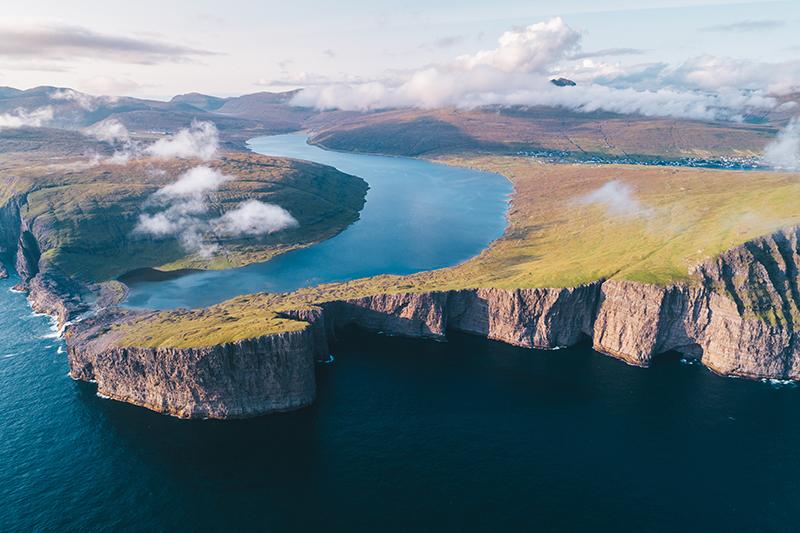
The Faroe Islands are currently weighing the possibility of banning two Russian fishing companies from operating in their territorial waters, following similar prohibitions recently enacted by Norway and the European Union. This development marks a significant escalation in the region’s response to geopolitical tensions, with the Faroese government deliberating the potential economic and diplomatic ramifications of joining their neighbors in restricting Russian fishing activities. As the debate unfolds, stakeholders across the fishing industry and political spectrum are closely monitoring the situation, which could reshape access and regulation in North Atlantic fisheries.
Faroe Islands Weigh Impact of Banning Russian Fishing Firms on Local Industry
The Faroe Islands government is currently assessing the potential ramifications of following Norway and the European Union in imposing a ban on two Russian fishing companies operating within their territorial waters. This move, largely driven by escalating geopolitical tensions, seeks to align the archipelago with broader international sanctions aimed at restricting Russian economic activities in key sectors. However, the decision weighs heavily against the backdrop of the local fishing industry’s reliance on these foreign fleets, which contribute significantly to both seafood exports and employment.
Local industry stakeholders have voiced concerns about the immediate economic impact, fearing disruptions in supply chains and the loss of critical fishing quotas. Among the debated points are:
- Economic dependency: The role of Russian firms in sustaining processing plants and supporting local jobs.
- International pressure: The geopolitical benefits of demonstrating solidarity with allied nations.
- Environmental oversight: Potential changes in fishing regulation enforcement post-ban.
| Aspect | Potential Impact |
|---|---|
| Employment | Reduced jobs in fisheries-related sectors |
| Exports | Possible decline in seafood export volume |
| Diplomatic Relations | Enhanced ties with EU and Norway |
Analyzing Norway and EU Measures Against Russian Fishing Operations
In a firm stance against unauthorized Russian fishing operations, Norway and the European Union have implemented decisive measures aimed at protecting their maritime resources. Norway has effectively barred two major Russian fishing companies from operating within its territorial waters, citing concerns over illegal, unreported, and unregulated (IUU) fishing practices that threaten sustainable fisheries. Meanwhile, the EU has not only enforced similar bans but has also tightened monitoring protocols and increased cross-border cooperation to ensure compliance with its fisheries regulations.
Key actions taken include:
- Strict bans on vessel entry for the targeted Russian firms.
- Enhanced satellite tracking and patrol activities to detect illicit fishing.
- Joint inspections coordinated between EU member states and Norway.
- Legal measures to impose sanctions and fines on violating companies.
| Measure | Responsible Entity | Impact |
|---|---|---|
| Ban on Russian vessels | Norway & EU | Restricted illegal fishing |
| Satellite monitoring | EU Fisheries Agency | Improved enforcement |
| Cross-border patrols | Norwegian Coast Guard & EU | Enhanced coverage of waters |
| Sanctions & fines | National Authorities | Deterrent effect on IUU fishing |
Recommendations for Faroe Islands Policymakers Amid Geopolitical Seafood Trade Tensions
In light of escalating geopolitical tensions impacting seafood trade, Faroese policymakers should prioritize a strategic approach that balances international pressures with the archipelago’s economic interests. Engaging in close consultations with domestic fishing industries and local communities can ensure that any restrictions, such as the potential ban on Russian fishing firms, do not disproportionately disrupt the livelihoods of local stakeholders. Moreover, maintaining transparent communication about enforcement measures and their anticipated impact will help preserve public trust and international credibility.
To navigate these complex challenges, the adoption of a measured, evidence-based policy framework is essential. Key recommendations include:
- Conducting comprehensive risk assessments to quantify the economic and environmental consequences of any trade restrictions.
- Coordinating regional policies with Norway and the EU to present a united front while safeguarding Faroese fishing rights.
- Exploring diversification opportunities within the seafood sector to reduce dependency on potentially contentious trade relationships.
- Investing in advanced monitoring technologies to support the enforcement of any bans and protect marine resources effectively.
| Recommendation | Primary Benefit | Expected Outcome |
|---|---|---|
| Risk Assessments | Economic insight | Informed decision-making |
| Regional Coordination | Political support | Strengthened negotiation power |
| Diversification | Market resilience | Reduced economic vulnerability |
| Monitoring Technology | Effective enforcement | Resource protection |
Insights and Conclusions
As the Faroe Islands deliberate on whether to align with Norway and the European Union in banning two Russian fishing companies from their waters, the decision underscores the growing geopolitical tensions influencing the fishing industry in the North Atlantic. With economic interests and international alliances at stake, the outcome of this debate will not only impact regional fisheries management but also signal the Faroe Islands’ position amid a broader push for sanctions against Russia. Observers will be watching closely as the islands navigate this complex intersection of diplomacy, trade, and environmental stewardship.