* . *
EUROP INFO
ADVERTISEMENT
Sunday, May 3, 2026
No Result
View All Result
No Result
View All Result
EUROP INFO
No Result
View All Result
Home Armenia

Pashinyan’s Government Sparks Controversy by Removing Mt. Ararat from Visa Stamps, Igniting Outrage in Armenia and Celebration in Turkey

EURO-NEWS by EURO-NEWS
September 18, 2025
in Armenia
Pashinyan’s Government Removes Mt. Ararat from Visa Stamps, Causing Uproar in Armenia, Elation in Turkey – Asbarez
ADVERTISEMENT

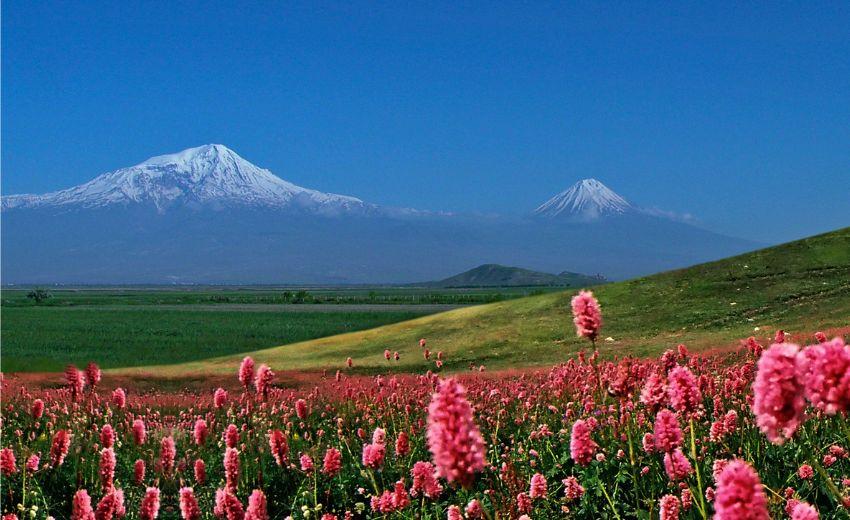
The Armenian government under Prime Minister Nikol Pashinyan has sparked widespread controversy after removing the image of Mount Ararat from official visa stamps, igniting a fierce public outcry across Armenia. Seen by many Armenians as a powerful national symbol deeply intertwined with their cultural identity, the decision has been met with both bewilderment and anger. Meanwhile, the move has been welcomed in neighboring Turkey, where Mount Ararat lies within its borders. This unexpected development adds a new layer of complexity to the already delicate Armenian-Turkish relations, underscoring the enduring significance of historical symbols in the region.

Table of Contents

Toggle
  • Pashinyan’s Government Sparks Controversy by Removing Mount Ararat from Visa Stamps
  • Historical and Cultural Implications of Mount Ararat’s Omission for Armenian National Identity
  • Experts Urge Dialogue and Policy Review to Address Public Backlash and Regional Sensitivities
  • To Conclude

Pashinyan’s Government Sparks Controversy by Removing Mount Ararat from Visa Stamps

Armenia’s recent decision to remove the iconic image of Mount Ararat from its official visa stamps has ignited a fierce debate across the nation. For centuries, Mount Ararat has been more than just a mountain to the Armenian people – it is a potent symbol of their cultural heritage, identity, and historical connection to the land, despite the peak currently lying within Turkey’s borders. Critics of Prime Minister Nikol Pashinyan’s government accuse the administration of succumbing to political pressures and undermining Armenian national pride by erasing this emblem from official documentation. Public protests and widespread social media outrage have manifested a deep sense of betrayal, with demands for the government to reverse the decision immediately.

Conversely, this move has been met with approval and even celebration across the border in Turkey, where officials and citizens alike perceive the removal as a diplomatic gesture reflecting a shift in bilateral relations. Supporters argue that the change could signify a willingness to ease historically strained ties and open avenues for dialogue. The contrasting reactions highlight the complex, often contentious relationship between Armenia and Turkey, where symbols like Mount Ararat carry significant historical weight.

ReactionGroupsMain Concerns
OutrageArmenian Nationalists, Cultural AdvocatesLoss of Cultural Symbolism, National Identity Erosion
SupportTurkey Government, Diplomatic ProponentsImproved Relations, Regional Stability
Neutral / CautiousPolitical Analysts, International ObserversUncertain Impact, Need for Further Dialogue

Historical and Cultural Implications of Mount Ararat’s Omission for Armenian National Identity

Mount Ararat holds a unique place in the Armenian collective consciousness, symbolizing not only a geographic landmark but also a profound emblem of heritage, memory, and identity. Its deliberate absence from the new visa stamps has sent shockwaves through Armenian society, sparking intense debates about national identity and historical continuity. For many Armenians, especially those in the diaspora, Mount Ararat transcends physical borders-rooted deeply in folklore, religion, and centuries-old migrant narratives. The omission is widely perceived as an erosion of an essential cultural pillar, inciting fears over potential compromises in the narrative of Armenian sovereignty and historical memory.

Experts suggest that this exclusion could have far-reaching ramifications beyond the immediate political sphere. Cultural commentators emphasize how visual symbols like these stamps serve a crucial role in sustaining Armenian patriotism and educating younger generations about their origins. Key concerns voiced by the public include:

  • Identity fragmentation: The risk of diluting national cohesion through symbolic erasure.
  • Historical revisionism: Fears of undermining Armenia’s longstanding connection to Mount Ararat amidst geopolitical friction.
  • International perception: How the change might affect Armenia’s image globally, especially among allies.
AspectArmenian PerspectiveTurkish Reaction
SymbolismSacred national icon, historic homelandPolitical victory, soft power leverage

Mount Ararat holds a unique place in the Armenian collective consciousness, symbolizing not only a geographic landmark but also a profound emblem of heritage, memory, and identity. Its deliberate absence from the new visa stamps has sent shockwaves through Armenian society, sparking intense debates about national identity and historical continuity. For many Armenians, especially those in the diaspora, Mount Ararat transcends physical borders-rooted deeply in folklore, religion, and centuries-old migrant narratives. The omission is widely perceived as an erosion of an essential cultural pillar, inciting fears over potential compromises in the narrative of Armenian sovereignty and historical memory.

Experts suggest that this exclusion could have far-reaching ramifications beyond the immediate political sphere. Cultural commentators emphasize how visual symbols like these stamps serve a crucial role in sustaining Armenian patriotism and educating younger generations about their origins. Key concerns voiced by the public include:

  • Identity fragmentation: The risk of diluting national cohesion through symbolic erasure.
  • Historical revisionism: Fears of undermining Armenia’s longstanding connection to Mount Ararat amidst geopolitical friction.
  • International perception: How the change might affect Armenia’s image globally, especially among allies.

AspectArmenian PerspectiveTurkish Reaction
SymbolismSacred national icon

Experts Urge Dialogue and Policy Review to Address Public Backlash and Regional Sensitivities

As the controversy surrounding the removal of Mt. Ararat from Armenian visa stamps intensifies, experts are calling for an open dialogue between government officials, cultural representatives, and local communities. They emphasize the importance of acknowledging the deep-rooted emotional and historical connections many Armenians have with Mt. Ararat, a symbol of national identity and heritage. At the same time, analysts warn that unilateral policy changes without public consultation risk alienating key segments of the population and exacerbating tensions within the region. Key recommendations emerging from recent expert discussions include:

  • Establishing a multi-stakeholder committee to review visa and identity policy revisions.
  • Integrating cultural sensitivity training for policy makers and immigration officials.
  • Launching public forums to gather citizen feedback and historic perspectives.

Meanwhile, geopolitical analysts point out that this decision has stirred elation in Turkey, as it is perceived as a gesture diminishing Armenian claims to the iconic mountain. The incident underscores the delicate balance Armenia must maintain in navigating domestic identity politics alongside complex regional diplomatic realities. Below is a comparative summary of regional reactions and impacts:

StakeholderReactionPotential Impact
Armenian PublicWidespread discontent and protestsHeightened nationalistic sentiment
Pashinyan GovernmentDefensive stance citing diplomatic strategyRisk of domestic unrest and criticism
Turkish OfficialsPositive diplomatic receptionStrengthened regional bargaining position

To Conclude

The decision by Pashinyan’s government to remove Mt. Ararat from Armenian visa stamps has ignited a passionate debate, reflecting deep-seated historical and national sentiments. While the move has sparked outrage among many Armenians who view the mountain as a vital symbol of their heritage, it has been met with approval in Turkey, highlighting the ongoing complexities in Armenian-Turkish relations. As the controversy continues to unfold, it underscores the delicate balance between political decisions and cultural identity in this region. Observers will be watching closely to see how this issue influences Armenia’s domestic politics and its diplomatic ties moving forward.

Tags: Armenia
ADVERTISEMENT
Previous Post

Türkiye’s Head of Communications Slams Israel as a Destructive Regime Thriving on Chaos

Next Post

Shipowner Connected to Massive Beirut Port Explosion Detained in Bulgaria

EURO-NEWS

EURO-NEWS

A journalism intern gaining hands-on experience.

Related Posts

Armenia and Georgia Selected to Host 2029 FIFA U-20 World Cup – The Armenian Report
Armenia

Armenia and Georgia Chosen to Host the 2029 FIFA U-20 World Cup!

May 1, 2026
Prime Minister Pashinyan visits newly renovated school in Sarukhan village – Armenpress
Armenia

Prime Minister Pashinyan Tours Newly Renovated School in Sarukhan Village

April 29, 2026
Armenia PM: There is already agreement with Georgian colleagues on Georgia border delimitation agenda – Armenia News
Armenia

Armenian Prime Minister Confirms Agreement Reached with Georgian Counterparts on Border Delimitation Agenda

April 27, 2026
Turkey’s Erdogan Speaks Of ‘WWI Hardships’ For Armenians – Eurasia Review
Armenia

Erdogan Reflects on the Harsh Realities Faced by Armenians During WWI

April 25, 2026
Armenia’s Strategic Reorientation: Deepening Defense Ties with NATO After Karabakh – Robert Lansing Institute
Armenia

Armenia’s Strategic Reorientation: Deepening Defense Ties with NATO After Karabakh – Robert Lansing Institute

April 22, 2026
Armenian, Turkish deputy FMs discuss bilateral agenda, regional connectivity – Armenpress
Armenia

Armenian and Turkish Deputy FMs Engage in Talks on Bilateral Relations and Regional Connectivity

April 19, 2026
Pentagon releases $400 million military aid package for Ukraine – The Kyiv Independent

Pentagon Unveils $400 Million Military Aid Package to Strengthen Ukraine’s Defense

May 1, 2026
Cold snap disrupts May travel plans as rain moves across Türkiye – Türkiye Today

Unexpected Cold Snap and Rain Shake Up May Travel Plans in Türkiye

May 1, 2026
Germany Leads Data Center Expansion, adding 2,148 Thousand Sq. Ft. Area by 2031; Switzerland to Add 153 Thousand Sq. Ft.- Exclusive Insights by Arizton – PR Newswire

Germany Set to Expand Data Centers by 2.15 Million Sq. Ft. by 2031; Switzerland Follows with 153,000 Sq. Ft. Growth

May 1, 2026
Ukraine war flips Sweden’s Hagglunds fortunes from layoffs to billions – marketscreener.com

From Layoffs to Billions: How the Ukraine War Transformed Sweden’s Hagglunds Fortune

May 1, 2026
LaLiga president: José Mourinho welcome back to Spain amid Real Madrid links – ESPN

LaLiga President Welcomes José Mourinho’s Return to Spain Amid Real Madrid Rumors

May 1, 2026
Albania and Kosovo lift border controls for the summer – cna.al

Albania and Kosovo Open Borders for a Seamless Summer Travel Experience

May 1, 2026
Slovak top court upholds 21-year sentence for man who tried to assassinate Prime Minister Fico – AP News

Slovak top court upholds 21-year sentence for man who tried to assassinate Prime Minister Fico – AP News

May 1, 2026
Serbia extends ban on oil exports – CEEnergynews

Serbia Prolongs Oil Export Ban to Secure Domestic Supply

May 1, 2026

Categories

Archives

September 2025
MTWTFSS
1234567
891011121314
15161718192021
22232425262728
2930 
« Aug   Oct »

Our authors

  • Atticus Reed
  • Ava Thompson
  • Caleb Wilson
  • Charlotte Adams
  • Ethan Riley
  • Isabella Rossi
  • Jackson Lee
  • EURO-NEWS
  • Mia Garcia
  • Noah Rodriguez
  • Olivia Williams
  • Samuel Brown
  • Sophia Davis
  • Victoria Jones
  • William Green

© 2024 EUROP.INFO - Copyright for syndicated content belongs to the linked Source.

No Result
View All Result

    © 2024 EUROP.INFO - Copyright for syndicated content belongs to the linked Source.

    This website uses cookies. By continuing to use this website you are giving consent to cookies being used. Visit our Privacy and Cookie Policy.
    Go to mobile version

    1 - 2 - 3 - 4 - 5 - 6 - 7 - 8