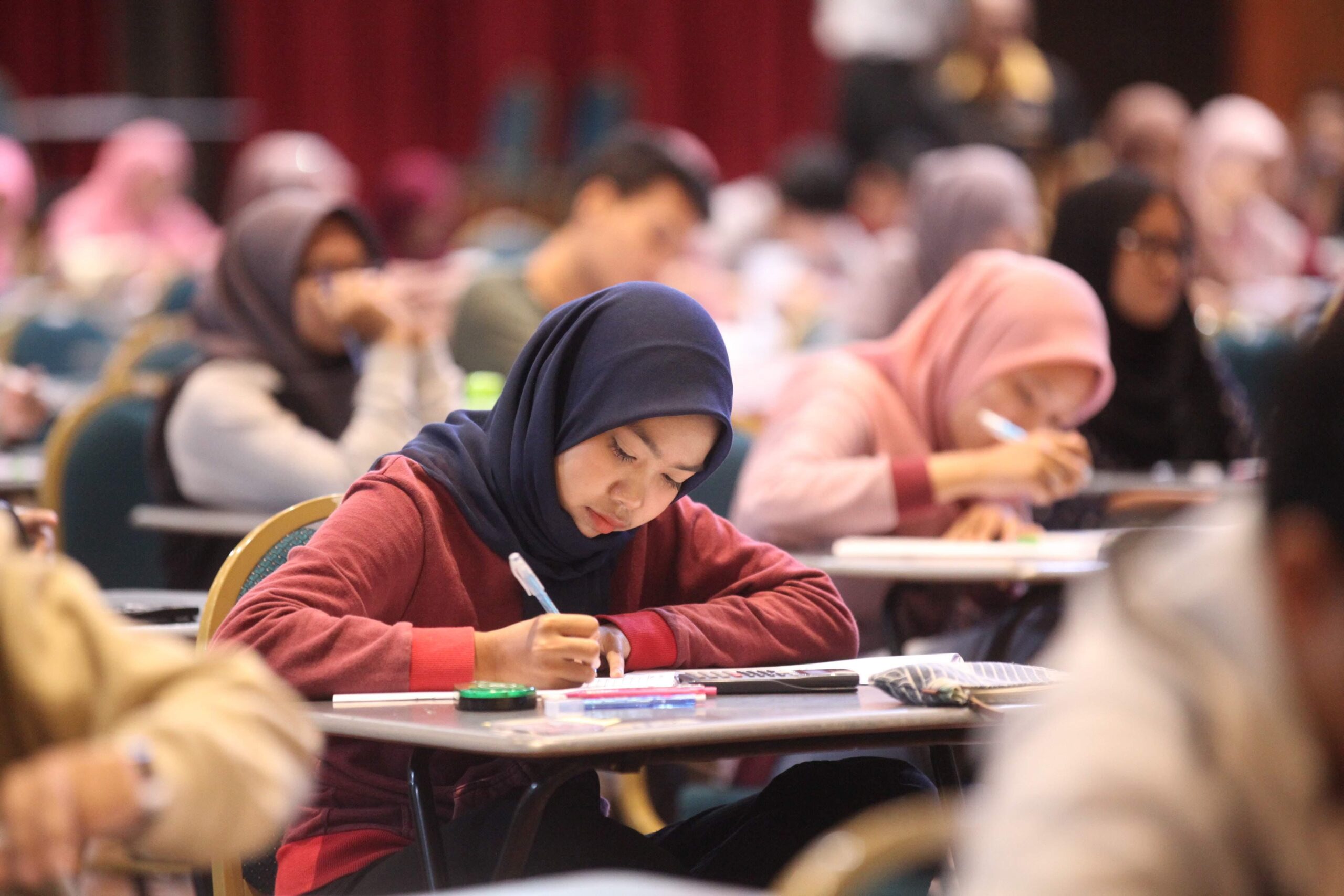
Malaysia and Finland have taken significant strides to strengthen their bilateral ties by deepening cooperation in education and the circular economy. This development, highlighted in recent discussions covered by Scandasia, underscores both countries’ commitment to fostering sustainable growth and innovation through collaborative efforts. As Malaysia focuses on advancing its educational landscape and embracing sustainable economic models, Finland’s expertise in these sectors positions the partnership as a promising avenue for mutual development and knowledge exchange.
Malaysia and Finland Expand Collaborative Efforts to Innovate Education Systems
In an ambitious move to transform their educational landscapes, Malaysia and Finland have launched a series of joint initiatives aimed at fostering innovation and inclusivity in learning environments. Drawing from Finland’s globally acclaimed education model, the partnership emphasizes teacher training, digital literacy, and the integration of sustainable practices within school curricula. Both nations are committed to creating adaptable, future-ready education systems that promote critical thinking, creativity, and environmental awareness among students.
Key focus areas in this collaboration include:
- Teacher Exchange Programs: Facilitating knowledge sharing to enhance pedagogical skills.
- Curriculum Development: Incorporating circular economy principles to nurture eco-conscious citizens.
- EdTech Innovations: Deploying cutting-edge digital tools to personalize learning experiences.
- Inclusive Education Strategies: Ensuring accessibility for diverse learner groups.
| Initiative | Malaysia’s Role | Finland’s Contribution |
|---|---|---|
| Teacher Exchange | Host workshops and training | Provide expert educators |
| Curriculum Innovation | Implement sustainability modules | Design circular economy content |
| Tech Integration | Deploy digital classrooms | Develop adaptive learning apps |
| Accessibility | Expand special education outreach | Advise on inclusive policies |
Joint Initiatives Target Sustainable Practices in Circular Economy Development
Malaysia and Finland have launched a series of collaborative projects aimed at embedding sustainable practices within the framework of the circular economy. These initiatives focus on fostering innovation through joint research, knowledge exchange, and pilot programs tailored to the unique environmental and economic landscapes of both countries. Key areas of emphasis include resource efficiency, waste reduction, and the development of renewable material cycles that promote longevity and reuse across industries.
The partnership highlights several strategic actions designed to accelerate circular economy adoption:
- Implementation of cross-border educational exchange programs targeting sustainable technologies
- Establishment of shared innovation hubs for green product design and lifecycle management
- Creation of policy frameworks supporting circular business models and eco-entrepreneurship
- Engagement with local communities to ensure inclusive and scalable solutions
| Initiative | Focus Area | Expected Outcome |
|---|---|---|
| GreenTech Exchange | Innovation & R&D | Accelerated development of eco-friendly technologies |
| EduCircular | Education & Training | Skilled workforce equipped with circular economy expertise |
| Policy Innovation Lab | Governance | Effective circular economy legislation and incentives |
Experts Recommend Strengthening Policy Frameworks to Enhance Bilateral Cooperation
As Malaysia and Finland continue to foster deeper ties in sectors like education and circular economy, experts underline the crucial role of robust policy frameworks in driving sustainable bilateral cooperation. Strengthening institutional agreements and aligning regulatory standards are seen as foundational steps to facilitate seamless collaboration. Key recommendations include:
- Harmonizing regulatory policies to remove bureaucratic hurdles and simplify joint ventures.
- Enhancing data-sharing protocols to support research exchanges and innovation projects.
- Establishing clear guidelines for intellectual property rights and sustainable investment practices.
Moreover, policymakers from both nations are encouraged to engage in regular review mechanisms, ensuring that bilateral agreements remain adaptive to emerging challenges and opportunities. The table below highlights proposed focus areas within the policy framework that could accelerate successful outcomes.
| Focus Area | Priority Action | Expected Outcome |
|---|---|---|
| Education Collaboration | Mutual recognition of qualifications | Increase student and faculty exchange |
| Circular Economy | Joint standards on waste management | Boost sustainable industry practices |
| Innovation & Technology | Co-developed R&D incentives | Accelerated green tech advancements |
To Wrap It Up
As Malaysia and Finland continue to strengthen their partnership in education and the circular economy, both nations stand to benefit from shared expertise and innovative solutions. This deepening cooperation not only reinforces their commitment to sustainable development but also sets a precedent for international collaboration in addressing global challenges. Moving forward, stakeholders from both countries are poised to transform these initiatives into tangible outcomes, fostering growth and resilience in an increasingly interconnected world.