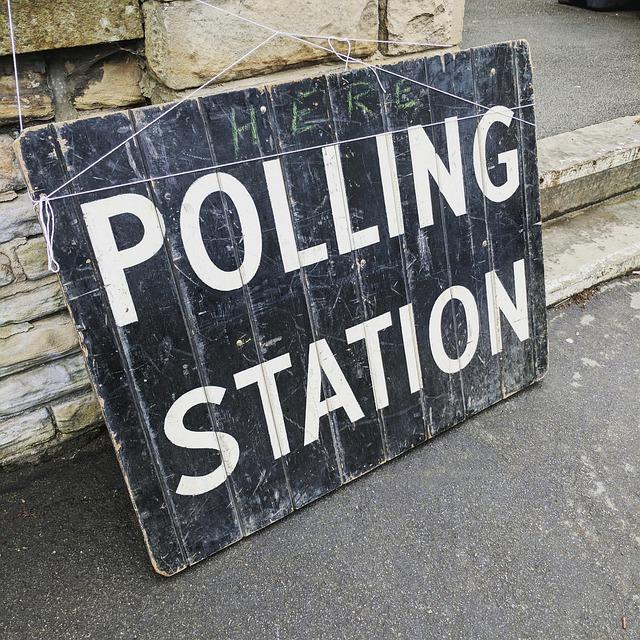
As Kosovo approaches its upcoming elections, analysts and political observers are increasingly drawing comparisons with Bulgaria’s recent political turbulence. The question looming over the Western Balkans is whether Kosovo might encounter a similar scenario marked by electoral uncertainty, government instability, and protracted coalition-building struggles. This article examines the potential parallels between Kosovo’s electoral landscape and Bulgaria’s recent political developments, exploring what challenges lie ahead for Kosovo’s democratic process and governance in the months to come.
Kosovo’s Electoral Landscape and the Risk of Political Deadlock
Kosovo’s political arena is characterized by a fragmented party system that often struggles to forge stable coalitions. The upcoming elections risk deepening this fragmentation, especially as no single party is expected to secure an outright majority. This precarious balance bears resemblance to Bulgaria’s prolonged post-election deadlocks, where coalition talks dragged on for months, stalling governance and reform momentum. Key political actors in Kosovo must navigate not just ideological divides but also entrenched ethnic dynamics that complicate consensus-building efforts. Failure to do so could plunge Kosovo into a period of governmental paralysis, hindering efforts to push forward EU integration and critical domestic reforms.
Several indicators highlight this potential impasse:
- Electoral volatility: Emerging parties siphon support from established ones, increasing fragmentation.
- Ethnic party entrenchment: Political platforms remain divided along ethnic lines, limiting cross-community collaboration.
- Limited coalition alternatives: Few natural alliances exist given ideological and personal rivalries.
The table below demonstrates recent election results and coalition possibilities, illuminating the tightrope Kosovo’s political leaders must walk to avoid stalemate.
| Party | Seats (2021) | Likely Coalition Partners | Challenges |
|---|---|---|---|
| Democratic Party of Kosovo (PDK) | 19 | Alliance for the Future of Kosovo | Trust deficit with opposition |
| Vetëvendosje (LVV) | 58 | Coalition with minority parties | Ethnic tensions |
| Serb List | 10 | Limited collaboration | Ethnic polarization |
Analyzing the Impact of Regional Diplomacy on Kosovo’s Negotiation Channels
In the complex geopolitical landscape of the Western Balkans, the influence of neighboring states continues to shape Kosovo’s diplomatic pathways. Regional actors, notably Serbia, Albania, and now Bulgaria, exert pressure that often complicates Pristina’s efforts to establish stable and diversified negotiation channels. With Bulgaria’s recent assertiveness in EU affairs and its condition for support tied to minority rights and historical interpretations, Kosovo faces a diplomatic balancing act that could limit its maneuverability within the European integration process.
Key regional dynamics impacting Kosovo’s negotiations include:
- Bilateral relations: Historical tensions and unresolved disputes with neighbors create a challenging environment for dialogue.
- EU leverage: Bulgaria’s veto power exemplifies how a single member state can influence Kosovo’s accession trajectory.
- Minority rights pressures: Calls to address ethnic and cultural issues complicate agenda-setting in talks with Brussels and Belgrade alike.
| Regional Actor | Diplomatic Approach | Impact on Kosovo | ||||||||||||||
|---|---|---|---|---|---|---|---|---|---|---|---|---|---|---|---|---|
| Bulgaria | EU veto linked to minority rights | Delays EU recognition and integration | ||||||||||||||
| Serbia | Non-recognition and dialogue stalling | Complicates bilateral negotiations | ||||||||||||||
| Albania | Summary of Regional Dynamics Affecting Kosovo’s Diplomacy Kosovo’s efforts to advance its European integration and broader diplomatic objectives are heavily influenced by pressures from neighboring countries-Serbia, Albania, and increasingly Bulgaria. Each regional actor plays a distinct role in shaping the landscape:
Potential Implications for Kosovo
If you want, I can help complete the Albania-related row in your table, elaborate on policy recommendations for Kosovo, analyze the historical context, or assist with anything else related to your content. Just let me know! Strategic Recommendations to Prevent Political Fragmentation and Enhance EU IntegrationAddressing political fragmentation in Kosovo requires a multi-pronged approach centered on fostering inclusive governance and reinforcing institutional trust. Key measures include strengthening dialogue mechanisms between ethnically and politically diverse groups to prevent polarization. Furthermore, enhancing transparency in electoral processes and party financing can reduce public skepticism and promote healthy competition. Kosovo’s political actors must prioritize consensus-building over short-term gains, ensuring that parliamentary coalitions reflect a broader spectrum of societal interests rather than narrow partisan agendas. Complementing domestic reforms, deeper engagement with EU integration frameworks is vital to anchor Kosovo’s democratic evolution. The European Union should intensify technical assistance and conditionality tied to rule of law benchmarks, anti-corruption measures, and judiciary independence. Below is a summary of strategic priorities critical for avoiding the pitfalls that have plagued other Balkan countries:
Wrapping UpAs Kosovo approaches its upcoming elections, the prospect of a “Bulgarian scenario” – marked by political deadlock and prolonged government formation – looms over the country’s fragile political landscape. While key actors strive to avoid such an outcome, underlying ethnic divisions, party fragmentation, and external influences continue to challenge stability. The election results will not only shape Kosovo’s domestic trajectory but also its relations within the Western Balkans and with the European Union. Observers will be closely watching whether Kosovo can navigate these complexities to secure a functional government or risk entering a period of uncertainty reminiscent of Bulgaria’s recent political impasse. ADVERTISEMENT  Related Posts |