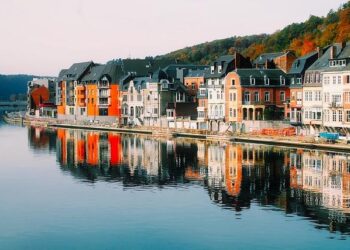
Nestled amid the hustle and bustle of modern life, Belgium’s beguinages stand as serene sanctuaries offering a glimpse into a quieter past. These historic communities, originally founded in the Middle Ages for lay religious women, now serve as tranquil oases amid the noise and distractions of the 21st century. In this article, we explore how Belgium’s beguinages preserve their unique architectural heritage and provide visitors with peaceful retreats, underscoring their enduring relevance in today’s fast-paced world.
Belgium’s Beguinages as Sanctuaries of Calm and Historical Significance
Nestled in the heart of Belgium, these unique architectural ensembles offer a rare glimpse into a past where community, spirituality, and simplicity converged. Originating in the 13th century, beguinages were home to women who sought a life devoted to faith and charity without taking formal vows. Today, their serene cobblestone streets, quaint whitewashed houses, and tranquil gardens remain remarkably preserved, inviting visitors to step away from modern hustle and reconnect with a quieter rhythm of life. Beyond their peaceful ambiance, these enclaves serve as silent storytellers of resilience and devotion, reflecting a rich cultural heritage that has withstood centuries of change.
The architectural and social fabric of beguinages distinguishes them from traditional religious structures. Designed around enclosed courtyards, these communities fostered a supportive network, with each element intentionally crafted to balance isolation and interaction. Visitors can explore:
- Stone archways symbolizing gateways between the outside world and sacred sanctuary
- Chapels and prayer halls central to daily communal life
- Gardens and wells providing green spaces integral for reflection and sustenance
Below is a snapshot comparison of key beguinages recognized as UNESCO World Heritage Sites, highlighting their historical and architectural distinctions.
| Beguinage | Location | Founded | Distinctive Feature |
|---|---|---|---|
| Grand Beguinage | Leuven | 1232 | Largest beguinage with Gothic architecture |
| Beguinage of Bruges | Bruges | 1245 | Whitewashed houses surrounding central chapel |
| Beguinage of Tongeren | Tongeren | 13th century | Featuring extensive green courtyards |
Uncovering the Architectural Charm and Spiritual Heritage of Beguinages
Amidst winding cobblestone streets and centuries-old walls lies a captivating fusion of architectural ingenuity and spiritual devotion. These serene enclaves, founded in the 13th century, were designed to accommodate religious women who chose a life of piety without taking formal monastic vows. The enchanting homes and chapels, arranged in harmonious clusters, offer an intimate glimpse into a world that valued contemplation and community over the bustling chaos of urban life. Notable for their distinctive brick façades, quaint courtyards, and timeless simplicity, the beguinages are living monuments where history and faith intertwine.
Visitors stepping through the wrought-iron gates are transported to a bygone era where spirituality was woven into daily existence. The quiet hum of these neighborhoods reflects centuries of tradition, marked by an enduring commitment to charity and mutual support. Beyond their religious function, beguinages also served as safe havens for widows and single women, fostering a unique social fabric that challenged contemporary norms. Today, UNESCO recognizes several of these sites not only for their architectural merit but also for their cultural heritage, preserving a legacy of resilience and grace.
- Architectural Highlights: Enclosed gardens, Gothic chapels, sandstone lintels
- Historical Role: Sanctuary for lay religious women
- Spiritual Significance: Centers of prayer, charity, and simplicity
| Beguinage | Location | Founded |
|---|---|---|
| Grand Beguinage | Leuven | 1232 |
| Beguinage of Bruges | Bruges | 1245 |
| Beguinage Ten Wijngaerde | Bruges | 1257 |
How to Experience Belgium’s Beguinages for a Reflective and Restorative Visit
To truly connect with the serene spirit of Belgium’s beguinages, visitors should embrace a pace that encourages quiet contemplation. Wander through the cobblestone paths shaded by ancient trees, allowing the gentle murmur of chapel bells and rustling leaves to guide your thoughts. Pause on a bench or beside a trickling fountain, where the architectural harmony-marked by modest white cottages and Gothic spires-invites a moment of stillness amidst lush greenery. Bringing along a notebook or sketchpad can deepen the sensory experience, helping to capture impressions that might otherwise slip away in the rush of daily life.
These enclaves, once homes to communities of devoted women, offer more than just picturesque scenery. To enrich your visit, consider the following:
- Join a guided tour led by local historians to uncover hidden stories woven into the walls.
- Visit during early morning hours, when soft sunlight highlights stone textures and the quiet feels most profound.
- Respect the tranquil atmosphere by speaking softly and refraining from flash photography.
- Explore adjacent gardens, where medicinal herbs once tended by beguines still flourish today.
| Beguinage Feature | Reflective Benefit |
|---|---|
| Quiet courtyards | Natural pause points for mindfulness |
| Historic chapels | Spaces to contemplate history and faith |
| Clustering cottages | Sparks community reflection and connectedness |
| Floral gardens | Invites sensory grounding and peace |
Final Thoughts
In an era defined by constant noise and relentless distractions, Belgium’s beguinages stand as enduring sanctuaries of peace and reflection. These historic communities offer not only a glimpse into a unique chapter of European cultural and religious history but also a timeless reminder of the value of tranquility in modern life. As visitors walk through their serene courtyards and quiet streets, they encounter more than just architectural beauty-they experience a living testament to resilience and contemplation. For those seeking respite from the chaos of today’s world, Belgium’s beguinages remain tranquil oases well worth exploring.