As spring dawns across Northern Europe, Walpurgis Night 2026 is set to ignite a vibrant tapestry of bonfires, folklore, and cultural celebrations in Germany, Sweden, and Finland. Marking the traditional passage from winter to spring, this centuries-old festival blends ancient customs with modern festivities, drawing locals and travelers alike to partake in acts of communal renewal and enchantment. This year’s observances promise a dynamic revival of heritage rituals, spotlighting regional variations and contemporary interpretations that continue to captivate audiences. From fiery hilltop gatherings to spirited singing and dancing, Walpurgis Night offers a unique window into the enduring cultural fabric of these nations, making it a highlight for tourists seeking immersive and authentic seasonal experiences.
Walpurgis Night Celebrations Light Up Germany Sweden and Finland with Traditional Bonfires and Festivities
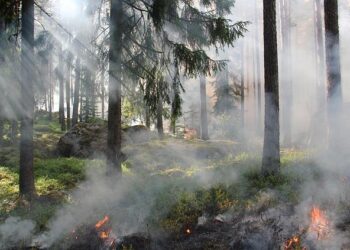
Across Germany, Sweden, and Finland, communities are gearing up to usher in spring with the fiery embrace of ancient traditions. As twilight descends, villages and cities alike erupt in the glow of towering bonfires, symbolically warding off the last remnants of winter and inviting warmth and growth. Festivities pulsate through town squares with lively folk music, traditional dances, and vibrant costumes-each element steeped in centuries-old customs. In Germany, particularly in the Harz region, revelers often don witch-inspired costumes, reconnecting with the mythic lore of Walpurgis Night, while Sweden’s university towns, such as Uppsala and Lund, celebrate with jubilant student parties and singing. Finland’s celebrations add a unique dimension, highlighting local myths alongside communal gatherings that blend both solemn reflection and exuberant merriment.
These cultural rites are more than mere celebrations; they act as a revitalizing force that strengthens communal identity and intergenerational bonds. The symbolism behind the bonfires and festivities vary slightly but center around purification and the triumph of light over darkness. Below is a snapshot of key traditions observed in each country:
- Germany: Witch-themed parades, historic market fairs, and massive bonfires on mountain summits.
- Sweden: University-led choirs, floral wreath making, and lively outdoor dances.
- Finland: Sauna rituals at dawn, folk storytelling sessions, and communal meals featuring local delicacies.
| Country | Main Event | Symbolic Meaning |
|---|---|---|
| Germany | Mountain Bonfires & Witch Parades | Purification & Driving Away Evil |
| Sweden | Student Singing & Flower Crowns | Welcoming Light & Fertility |
| Finland | Sauna Ceremonies & Storytelling | Community Unity & Rebirth |
Exploring the Folklore and Cultural Significance Behind Walpurgis Night in Northern Europe
Across Northern Europe, Walpurgis Night has long been shrouded in mysticism, blending pre-Christian pagan rites with Christian traditions. Celebrated on the night of April 30th, the event marks the arrival of spring and is believed to ward off evil spirits that linger in the lingering dark days of winter. In Germany, Sweden, and Finland, communities kindle towering bonfires, a symbolic gesture meant to dispel darkness and invite warmth and fertility for the coming season. These blazing fires, often accompanied by traditional songs and dances, resurrect ancient folklore where witches were thought to gather on this night atop the Brocken mountain or other local high points to celebrate their supernatural powers. This deep-rooted mythos is still vividly alive, drawing locals and tourists alike to partake in the spirited mêlée of customs that range from lighting sparklers to sharing tales of enchantment passed down through generations.
Beyond the fires and folklore, Walpurgis Night serves as a vibrant cultural touchstone that reaffirms communal identity and resistance against modern disconnect. The festivities showcase a rich tapestry of rituals, including:
- Traditional Costumes: Participants often don folk attire or dress as witches, embracing the night’s magical allure.
- Choral Singing: Groups perform age-old songs invoking the spirits of spring and driving away the last vestiges of winter.
- Feasting and Social Gatherings: Communities come together to strengthen bonds over local delicacies.
These practices are more than mere festivities; they represent a cultural revival breathing life into historical narratives and seasonal rhythms. This revival is evident in how modern cities and rural villages alike infuse the night with new meanings-balancing the mystic past and vibrant contemporary celebrations that enrich Northern Europe’s cultural landscape year after year.
| Country | Key Walpurgis Night Symbol | Popular Location | |||||||||||
|---|---|---|---|---|---|---|---|---|---|---|---|---|---|
| Germany | Brocken Mountain bonfires | Harz Mountains | |||||||||||
| Sweden | Valborgsmässoafton fires and choirs | Uppsala & Lund | |||||||||||
| Finland | Vappu It looks like the last part of the Finland row in your table got cut off. Here’s a complete version of that table with the Finland row fully filled in, plus a slight polishing of your HTML to ensure consistency:
Explanation:
If you’d like me to assist further with expanding or styling this section or adding additional information, just let me know! Top Destinations and Insider Tips for Experiencing Walpurgis Night 2026 Like a LocalFor an authentic Walpurgis Night experience, Germany’s Harz Mountains stand out as the ultimate destination. Here, locals gather in the historic town of Wernigerode, where roaring bonfires light up the night and costumed witches parade through the cobblestone streets. To blend in like a local, arrive early for the traditional Maypole raising and sample regional specialties such as Bockwurst and freshly brewed Kräuterlikör. Don’t miss the chance to hike the Brocken peak at dawn-believed to be the witches’ meeting point-which offers breathtaking views and a mystical atmosphere you won’t find anywhere else. Moving north to Scandinavia, Sweden and Finland bring their own vibrant twists to this spring celebration. In Uppsala, Sweden, the city’s botanical gardens and university quarters burst with lively student parties, where singing traditional songs and dancing around the maypole are integral. Insider tip: head to Svartbäcksgatan for cozy pubs buzzing with local revelers and try the signature “sillbord” (herring buffet) paired with snaps. Meanwhile, in Helsinki, Finland’s cultural revival is visible in neighborhood bonfires and outdoor concerts, especially in the districts of Kallio and Pikku Huopalahti. To fully immerse yourself, visit the local flea markets during the day and join in on folk dance workshops scheduled throughout the weekend. Closing RemarksAs Walpurgis Night 2026 once again lights up Germany, Sweden, and Finland with its vibrant bonfires and rich folkloric traditions, the celebration underscores a deep-rooted cultural revival across these regions. Beyond the flickering flames and festive gatherings, the event continues to serve as a powerful reminder of spring’s arrival and the enduring heritage that connects communities. For travelers and locals alike, Walpurgis Night remains a unique opportunity to witness living history, where ancient customs meet contemporary enthusiasm in a spirited embrace of renewal and tradition. ADVERTISEMENT  Related Posts |