In a compelling fusion of art and history, researchers at Newcastle University are harnessing the power of hand-drawn maps to uncover untold stories from Bosnia and Herzegovina’s turbulent past. These personal cartographies, created by local residents, are providing fresh insights into the region’s cultural landscape and collective memory, offering a unique window into experiences often absent from official records. As academic interest in grassroots mapping grows, this innovative project is shedding light on the complex narratives that continue to shape Bosnia and Herzegovina today.
Hand-drawn Maps Uncover Hidden Narratives Across Bosnia and Herzegovina
In an innovative project spearheaded by researchers at Newcastle University, hand-drawn maps created by local residents are providing fresh perspectives on Bosnia and Herzegovina’s complex historical and cultural landscape. These personalized maps bring to light narratives often absent from official cartography-stories of displacement, community resilience, and cultural identity that have shaped the region for decades. Through these tactile depictions, villagers, refugees, and urban dwellers alike are reclaiming their geography, embedding memories and emotions directly onto the paper, challenging conventional borders and official histories.
Key themes emerging from the maps include:
- Memory and Displacement: Personal journeys and migrations reflected spatially.
- Community Connections: Invisible social ties revealed through shared spaces.
- Conflict and Reconciliation: Zones of tension and healing mapped side-by-side.
| Region | Number of Maps | Dominant Narrative |
|---|---|---|
| Herzegovina | 15 | Displacement & Return |
| Banja Luka | 12 | Urban Memory |
| Sarajevo | 20 | Post-Conflict Identity |
Newcastle University Researchers Document Personal Histories Through Cartographic Art
In an innovative fusion of art and history, researchers at Newcastle University have employed hand-drawn cartographic techniques to capture deeply personal narratives from Bosnia and Herzegovina. These maps go beyond geographical representation, serving as vivid storytelling devices where memories, trauma, and resilience converge. Each illustration encapsulates an intimate connection to place, depicting locations marked not just by coordinates but by significant events, relationships, and communal experiences that have shaped lives against the backdrop of conflict and recovery.
The project highlights unique thematic elements that emerge from these cartographic stories, including:
- Memory Landscapes: Visual depictions of places linked to childhood, displacement, or cultural heritage.
- Emotional Topographies: Areas mapped according to feelings such as loss, hope, or belonging.
- Resilience Routes: Paths illustrating journeys through adversity towards healing.
| Theme | Description | Example Location |
|---|---|---|
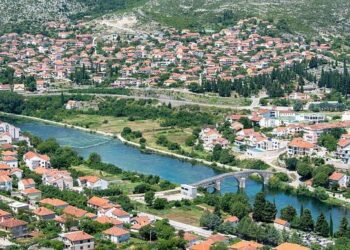
| Memory Landscapes | Places tied to formative moments | Mostar Old Bridge |
| Emotional Topographies | Mapping feelings connected to places | Trebinje Hills |
| Resilience Routes | Journies symbolizing recovery | Sarajevo City Centre |
By weaving individual stories into visual maps, the research offers a compelling method for preserving intangible cultural heritages and fosters a deeper understanding of the Bosnian experience. These works stand not only as artistic achievements but also as vital historical documents, inviting viewers to engage with the complex human landscapes that traditional maps often overlook.
Experts Recommend Integrating Community-Made Maps into Conflict Resolution and Heritage Preservation Efforts
Community-made maps have emerged as invaluable tools for navigating the complex social and cultural landscapes within Bosnia and Herzegovina. Experts argue that these hand-drawn representations offer more than mere geographical insights; they reveal deeply personal narratives and collective memories often overlooked by official cartography. Incorporating such maps into conflict resolution strategies facilitates dialogue by illuminating localized experiences and identities that traditional approaches may neglect. These grassroots mappings empower communities to assert their presence, foster empathy among divided groups, and create platforms for reconciliation based on shared understanding.
Beyond peacebuilding, these maps serve as critical instruments for heritage preservation. By documenting landmarks, sacred sites, and intangible cultural elements through indigenous perspectives, community maps safeguard intangible histories at risk of erasure. The value of community contributions can be summarized in the following table:
| Benefit | Description |
|---|---|
| Localized knowledge | Captures nuanced topographies and social relations unique to communities |
| Inclusive storytelling | Allows marginalized voices to shape the historical narrative |
| Cultural continuity | Preserves heritage sites endangered by political or environmental pressures |
- Bridges divides by fostering mutual recognition among diverse groups.
- Reclaims identity damaged by years of conflict and external intervention.
- Supports future planning by integrating historical memory into community development.
The Conclusion
As hand-drawn maps continue to surface from communities across Bosnia and Herzegovina, they offer more than geographical insights-they unveil deeply personal narratives and collective memories often absent from official records. Newcastle University’s research sheds light on how these maps serve as powerful tools in preserving cultural identity and understanding the complex social fabric of the region. As efforts to document and analyze these cartographic stories progress, they promise to enrich our grasp of Bosnia and Herzegovina’s past and present, ensuring that voices from all corners are heard and remembered.