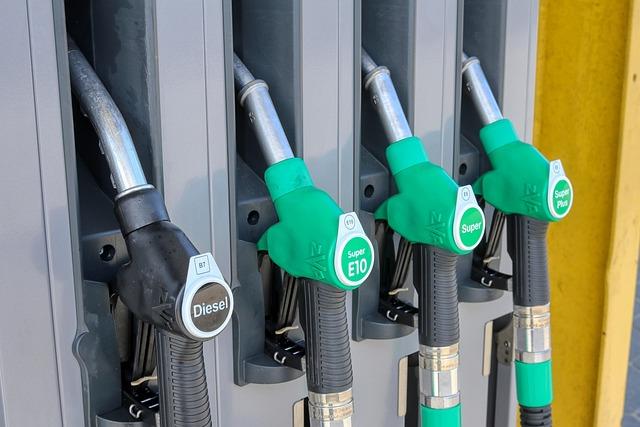
Ireland has been brought to a standstill as widespread fuel protests grip the nation, causing severe disruptions across transport and daily life. The unrest comes amid soaring global oil prices, fueled largely by escalating tensions and conflict in Iran. With pump prices hitting record highs, motorists and industry groups alike are voicing frustration over the economic impact, while authorities grapple with restoring order and addressing the spiraling energy costs. This developing situation underscores the far-reaching effects of geopolitical instability on local economies and communities.
Fuel Protests Bring Ireland to a Standstill Amid Rising Global Tensions
Communities across Ireland have found themselves immobilized as widespread demonstrations erupt over soaring fuel costs. Motorways and city centers alike have become clogged with stationary vehicles, while transport services experience severe disruptions. Protesters, galvanized by the ripple effects of escalating conflicts in Iran, demand urgent government intervention to curb the relentless rise in petrol and diesel prices. Key logistics hubs remain paralyzed, threatening supply chains and raising concerns over food and essential goods availability nationwide.
Key factors driving the unrest include:
- Heightened geopolitical tensions in the Middle East causing crude oil prices to spike
- Taxation policies and levies contributing to elevated pump prices
- Public frustration over perceived governmental inaction
| Region | Average Fuel Price (€/L) | Protest Intensity |
|---|---|---|
| Dublin | 1.95 | High |
| Cork | 1.92 | Moderate |
| Galway | 1.90 | High |
| Limerick | 1.88 | Low |
Impact of Iran Conflict on European Fuel Prices and Consumer Strain
The ongoing conflict in Iran has sent shockwaves through European fuel markets, triggering a significant surge in prices that is now deeply felt across Ireland. As tensions escalate in the Middle East, crude oil supplies face uncertainty, pushing wholesale costs higher and cascading down to everyday consumers. The result has been a strain on household budgets, with many Irish families struggling to absorb the escalating cost of petrol and diesel. This pressure has not only fueled public anger but also sparked widespread protests, paralyzing key transport routes and exacerbating the fuel supply disruption.
Industry analysts emphasize several key factors contributing to this trend:
- Geopolitical instability: Disruptions in Persian Gulf oil exports raise concerns over long-term availability.
- Market speculation: Traders are reacting to heightened risks by driving prices upward.
- Supply chain impact: Delays in fuel deliveries worsen shortages in retail stations.
| Region | Average Fuel Price Increase | Consumer Impact |
|---|---|---|
| Ireland | +15% | Widespread protest and shortages |
| UK | +12% | Increased inflation pressure |
| Germany | +10% | Transport sector disruptions |
These dynamics illustrate how intertwined global conflicts can rapidly translate into tangible economic and social challenges on the ground, stressing the urgency for sustainable energy strategies across Europe.
Strategies for Irish Authorities to Alleviate Supply Disruptions and Restore Stability
To counter the escalating supply disruptions caused by international conflicts and local protests, Irish authorities must prioritize diversified energy sourcing and bolster emergency fuel reserves. Establishing strategic fuel partnerships beyond traditional suppliers could mitigate risks associated with geopolitical instability, such as the ongoing conflict in Iran. Additionally, enhancing logistical coordination through real-time monitoring systems and agile response units will help keep fuel distribution channels operational despite protest-related blockades.
Immediate measures could include:
- Deploying mobile refueling units to critical infrastructure locations
- Implementing temporary fuel rationing protocols for non-essential sectors
- Engaging community leaders to facilitate dialogue and de-escalate tensions
| Strategy | Impact | Timeframe |
|---|---|---|
| Diversify Fuel Imports | Reduces dependency on single supplier | Medium-term |
| Emergency Reserves Expansion | Ensures supply during blockades | Short-term |
| Community Engagement Programs | Mitigates protest intensity | Immediate |
To Conclude
As Ireland continues to grapple with widespread fuel protests disrupting daily life, the broader implications of rising energy prices linked to geopolitical tensions in Iran remain a pressing concern. Authorities face mounting pressure to address both the immediate logistical challenges posed by blockades and the underlying factors driving fuel costs upward. The situation underscores the delicate interplay between international conflict and domestic stability, with economic and social impacts expected to unfold in the coming weeks.