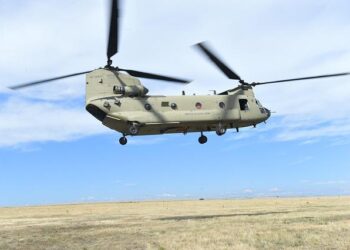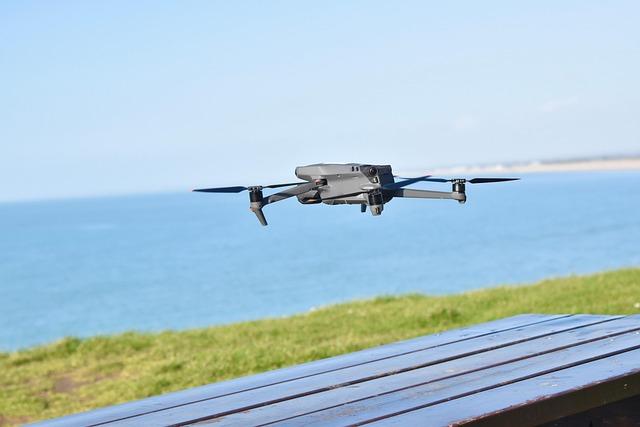
Poland has unveiled ambitious plans to develop a “drone armada” in collaboration with Ukrainian experts, marking a significant step in advancing its military capabilities. This strategic initiative aims to leverage cutting-edge drone technology to enhance national defense amid ongoing regional security challenges. The joint effort reflects deepening defense cooperation between Warsaw and Kyiv, underscoring their shared interests and commitment to countering emerging threats. Details of the project and its potential impact on the regional security landscape are starting to emerge, drawing attention from defense analysts and international observers alike.
Poland Partners with Ukrainian Experts to Develop Advanced Drone Armada
Poland is set to bolster its defense capabilities by collaborating closely with Ukrainian specialists on the creation of an innovative drone fleet designed for strategic military operations. This cutting-edge “drone armada” aims to integrate advanced technologies developed by both nations, combining Poland’s manufacturing expertise with Ukraine’s battlefield-tested drone tactics. Officials emphasize that this partnership not only strengthens bilateral defense ties but also represents a significant step towards modernizing aerial surveillance and combat systems in the region.
The project will focus on several core components to ensure operational superiority:
- Swarm coordination technology: enabling drones to operate in unified, adaptive groups.
- High-resolution real-time reconnaissance: improving battlefield intelligence gathering.
- Modular payloads: allowing drones to be quickly equipped for reconnaissance, electronic warfare, or targeted strikes.
- Extended flight endurance: enhancing missions’ range and duration.
| Feature | Polish Contribution | Ukrainian Expertise |
|---|---|---|
| Drone Design | High-efficiency manufacturing | Combat-proven airframe adjustments |
| Control Systems | Advanced AI algorithms | Swarm tactics & deployment strategies |
| Mission Payloads | Modular weapon integration | Electronics warfare equipment |
Strategic Implications of Poland’s Drone Program for Regional Security
Poland’s collaboration with Ukrainian experts to develop a formidable “drone armada” signals a transformative shift in its defense strategy, enhancing its deterrence capabilities amid escalating tensions in Eastern Europe. This partnership not only leverages Ukraine’s battle-tested drone technology but also reinforces Warsaw’s commitment to regional stability by modernizing its aerial reconnaissance and offensive capacities. Analysts note that the integration of advanced UAVs will drastically reduce response times and improve precision targeting, crucial factors in countering hybrid and asymmetric threats along Poland’s eastern border.
The strategic rollout carries broader implications for NATO and its Eastern flank. By strengthening Poland’s drone fleet, the initiative fosters the following strategic benefits:
- Enhanced situational awareness: Real-time intelligence gathering will empower joint operations with neighboring allies.
- Force multiplication: Unmanned systems can supplement conventional forces while minimizing personnel risk.
- Regional deterrence: Demonstrated drone capabilities may dissuade adversarial provocations in contested zones.
- Technological interoperability: Shared Ukrainian expertise promotes standardization and efficient cross-border collaboration.
| Capability | Projected Impact | Timeline |
|---|---|---|
| Surveillance & Reconnaissance | Improved intelligence accuracy | 2024-2025 |
| Combat Drone Operations | Force projection & precision strikes | 2025-2027 |
| Electronic Warfare Integration | Disruption of adversary sensors | From 2026 onwards |
Recommendations for Strengthening Poland Ukraine Collaboration in Defense Technology
To fully capitalize on the synergy between Polish and Ukrainian defense sectors, it is essential to establish dedicated joint research centers focused on drone technology and AI-powered systems. These hubs would facilitate continuous knowledge transfer, foster innovation, and accelerate prototype development. Additionally, streamlined regulatory frameworks should be introduced to allow the rapid testing and deployment of collaborative defense technologies, ensuring that bureaucratic delays do not hamper operational readiness.
Moreover, fostering talent exchange programs can prove vital in building an integrated defense technology workforce. Key recommendations include:
- Regular cross-border training workshops and hackathons to inspire creative problem-solving
- Collaborative funding models pooling resources from both Polish and Ukrainian governments
- Shared access to classified data and threat intelligence to align technological priorities
| Strategic Focus | Benefit |
|---|---|
| Joint R&D Centers | Accelerates innovation cycles |
| Talent Exchange Programs | Builds specialized expertise |
| Shared Funding Models | Optimizes resource allocation |
| Streamlined Regulations | Facilitates rapid deployment
To fully capitalize on the synergy between Polish and Ukrainian defense sectors, it is essential to establish dedicated joint research centers focused on drone technology and AI-powered systems. These hubs would facilitate continuous knowledge transfer, foster innovation, and accelerate prototype development. Additionally, streamlined regulatory frameworks should be introduced to allow the rapid testing and deployment of collaborative defense technologies, ensuring that bureaucratic delays do not hamper operational readiness. Moreover, fostering talent exchange programs can prove vital in building an integrated defense technology workforce. Key recommendations include:
| Strategic Focus | Benefit | If you need help further enhancing or formatting this content, just let me know! Concluding RemarksAs Poland moves forward with its ambitious plan to develop a “drone armada” in collaboration with Ukrainian experts, the initiative underscores the deepening defense ties between the two nations amid ongoing regional security challenges. While details remain limited, the project reflects a broader trend toward leveraging advanced unmanned technologies in modern military strategies. Observers will be watching closely to see how this partnership evolves and what impact it may have on the balance of power in Eastern Europe. ADVERTISEMENT  Related Posts |