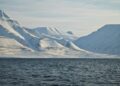
The Faroe Islands, Greenland, and the Åland Islands are gaining renewed attention within Nordic cooperation, spotlighting their unique roles and challenges in the region’s geopolitical landscape. As autonomous territories with distinct cultural identities and strategic importance, these North Atlantic and Baltic Sea archipelagos are increasingly central to discussions led by the Nordic Council and various regional institutions. A recent report by the Finnish Institute of International Affairs (FIIA) explores their evolving positions in the Nordic framework, examining opportunities for enhanced collaboration in areas such as governance, security, and sustainable development. This article delves into the key findings of the FIIA study, shedding light on how these island communities contribute to and shape Nordic cooperation in the 21st century.
The Unique Roles of the Faroe Islands Greenland and the Åland Islands in Strengthening Nordic Unity
Faroe Islands, Greenland, and the Åland Islands serve as critical bridges within the Nordic cooperation framework by embodying distinct cultural identities while fostering regional solidarity. Each autonomous region contributes through specialized roles that amplify their unique strategic, environmental, and political strengths. The Faroe Islands stand out as an essential actor in maritime and fisheries management, leveraging extensive expertise to influence sustainable ocean governance across Nordic waters. Meanwhile, Greenland’s vast Arctic territory positions it as a crucial player in climate change dialogue and Arctic security cooperation, bringing vital indigenous and geopolitical perspectives to the Nordic table.
The Åland Islands, with their demilitarized status and bilingual heritage, foster cross-border dialogue by exemplifying peaceful coexistence and linguistic diversity. These islands actively promote cultural exchanges and legislative cooperation that enhance mutual understanding among Nordic peoples. Their involvement is particularly visible in joint policy initiatives focusing on regional self-governance, minority rights, and environmental protection. The contributions of these three areas can be summarized as:
- Faroe Islands: Maritime resource management and fisheries sustainability
- Greenland: Arctic policy influence, climate resilience, and indigenous representation
- Åland Islands: Promotion of peaceful international relations and bilingual cultural heritage
| Region | Key Contribution | Impact on Nordic Unity |
|---|---|---|
| Faroe Islands | Ocean governance & fisheries | Strengthening sustainable resource cooperation |
| Greenland | Arctic security & climate action | Enhancing Nordic leadership in Arctic affairs |
| Åland Islands | Demilitarization & bilingualism | Modeling peaceful regional integration |
Economic and Environmental Collaboration Opportunities in Nordic Cooperation
Emerging synergies between the Faroe Islands, Greenland, and the Åland Islands highlight the transformative potential of Nordic cooperation in both economic and environmental spheres. These autonomous regions, with their unique geographic and climatic conditions, are poised to enhance sustainable development through joint initiatives aimed at leveraging renewable energy resources, fisheries management, and eco-tourism. By pooling expertise and infrastructure, they can foster innovation in green technology, drive circular economies, and create resilient supply chains that reflect the shared Nordic commitment to sustainability.
Collaboration efforts extend beyond economic ambitions to include robust environmental stewardship. Coordinated monitoring of marine ecosystems, climate adaptation strategies, and conservation policies demonstrate a proactive approach to preserving Arctic and sub-Arctic biodiversity. The initiative fosters knowledge exchange and capacity building through:
- Joint research projects on climate impact and resource utilization
- Integrated environmental policies that align with Nordic sustainability goals
- Shared investment platforms that finance green infrastructure
| Focus Area | Key Initiative | Expected Outcome |
|---|---|---|
| Renewable Energy | Cross-border wind and tidal projects | Increased energy independence |
| Fisheries | Sustainable quota agreements | Long-term ecosystem balance |
| Environmental Monitoring | Shared Arctic data platforms | Improved climate resilience |
Policy Recommendations for Enhancing Autonomy and Regional Integration in the Nordic Arctic
Strengthening local governance through tailored legislative frameworks is essential to deepen autonomy in the Nordic Arctic regions. This includes expanding fiscal independence, enabling local parliaments to enact policies that reflect unique social, cultural, and economic realities. Enhanced self-determination will not only foster resilience but also encourage sustainable development aligned with community priorities.
To bolster regional integration, Nordic cooperation platforms must prioritize:
- Cross-border infrastructure projects that improve connectivity between the Faroe Islands, Greenland, and the Åland Islands
- Joint environmental governance initiatives to address Arctic climate challenges collectively
- Harmonized trade and labor policies supporting mobility and economic diversification
- Shared research and innovation programs focusing on Arctic technologies and indigenous knowledge
| Policy Area | Key Recommendation | Expected Impact |
|---|---|---|
| Governance | Expand fiscal autonomy | Stronger local decision-making |
| Infrastructure | Develop Arctic transportation links | Enhanced regional connectivity |
| Environment | Coordinate climate mitigation | Improved ecosystem resilience |
| Economy | Facilitate cross-border trade | Diversified local economies |
Wrapping Up
In summary, the Faroe Islands, Greenland, and the Åland Islands continue to play a pivotal role in strengthening Nordic cooperation, underscoring the region’s commitment to addressing shared challenges and opportunities. As autonomous territories with unique political and cultural identities, their active engagement in collaborative frameworks highlights the evolving nature of Nordic integration. Moving forward, their participation will remain essential in shaping sustainable policies and fostering regional stability within the broader context of Arctic and North Atlantic affairs. The Finnish Institute of International Affairs will continue to monitor these developments closely, providing insights into this dynamic and strategically significant partnership.









![Sweden Blocks 2 AI Chatbots, Keeps Copilot [2026] – https://tech-insider.org/](https://europ.info/wp-content/uploads/2026/10/3079689-sweden-blocks-2-ai-chatbots-keeps-copilot-2026-https-tech-insider-org-120x86.jpg)