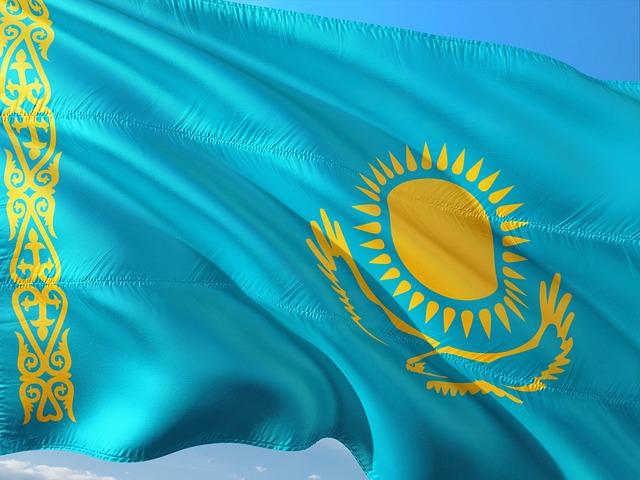
Kazakhstan has officially confirmed its commitment to remain part of the OPEC+ coalition, dispelling recent speculation about a potential exit. In a statement reported by the Caspian Post, Kazakh officials emphasized the country’s continued support for coordinated oil production policies aimed at stabilizing global markets. This announcement underscores Kazakhstan’s strategic role within the Caspian energy landscape and its alignment with OPEC+ objectives amid ongoing market volatility.
Kazakhstan Affirms Commitment to OPEC Plus Amid Global Market Volatility
Kazakhstan’s Energy Ministry has reaffirmed the nation’s strategic alignment with the OPEC+ alliance, emphasizing its pivotal role in stabilizing global oil markets amid ongoing uncertainties. Despite fluctuating demand and geopolitical tensions affecting the energy sector, Kazakh officials underscored their commitment to uphold production quotas and actively participate in collective decision-making processes. This stance sends a clear signal to international investors and partner nations that Kazakhstan values the collaborative framework established by OPEC+ for ensuring balanced supply and price stability.
In outlining its continued partnership, Kazakhstan highlighted key benefits of remaining in the coalition, including:
- Access to coordinated production strategies that mitigate market shocks.
- Increased opportunities for technology and expertise exchange.
- Enhanced geopolitical influence within the global energy landscape.
| Aspect | Kazakhstan’s Position | OPEC+ Impact |
|---|---|---|
| Production Quotas | Adheres strictly | Ensures market balance |
| Market Stability | Supports collaborative efforts | Mitigates price volatility |
| International Collaboration | Actively engaged | Fosters shared growth |
Strategic Implications of Kazakhstan’s Steady Oil Policy for Regional Energy Dynamics
Kazakhstan’s reaffirmed commitment to remain within OPEC+ underscores its strategic intent to maintain influence over regional energy markets while balancing national economic interests. By staying the course, Kazakhstan solidifies its role as a pivotal energy supplier bridging the resource-rich Caspian region with global markets. This steady approach sends a clear signal to major oil producers and consumers alike: Kazakhstan is prioritizing long-term stability over short-term gain, aiming to avoid the market volatility often triggered by sudden policy shifts. This contributes to a more predictable supply outlook, essential for investor confidence and for neighboring countries whose economic trajectories are closely linked to oil price fluctuations.
The ripple effects of Kazakhstan’s decision stretch beyond its borders, affecting regional alliances and competitive dynamics. Key strategic implications include:
- Enhanced Coordination: Continued cooperation with OPEC+ facilitates synchronized output adjustments, helping stabilize global oil prices amidst shifting geopolitical tensions.
- Regional Energy Security: Kazakhstan’s steady output supports energy diversification efforts among Central Asian and neighboring states, reducing reliance on single-source suppliers.
- Investment Climate: Predictability in Kazakhstan’s oil policy encourages foreign direct investment, particularly in upstream projects requiring long-term planning.
- Balance of Power: Remaining in OPEC+ enables Kazakhstan to exert diplomatic leverage, balancing interests between Russia, Saudi Arabia, and emerging players in the energy sector.
| Factor | Impact |
|---|---|
| OPEC+ Membership | Market Stability & Coordinated Output |
| Regional Cooperation | Strengthened Energy Partnerships |
| Foreign Investment | Increased Upstream Development |
| Geopolitical Influence | Enhanced Diplomatic Positioning |
Experts Recommend Enhanced Collaboration Within OPEC Plus to Stabilize Production and Prices
Leading analysts emphasize that sustained dialogue and strategic coordination among OPEC+ members are crucial to navigating the volatile oil market landscape. Recent statements by key stakeholders highlight the importance of unified policy decisions, especially as global demand fluctuates amid economic uncertainties. Experts point out that collaborative mechanisms – such as mutual production adjustments and transparent communication channels – will help prevent abrupt market shocks and foster a more predictable pricing environment.
Key recommendations from industry experts include:
- Regularized production reviews to address emerging supply-demand imbalances promptly.
- Enhanced data sharing across member countries for informed decision-making.
- Flexible output commitments tailored to regional market dynamics, maintaining overall group stability.
- Joint contingency planning to respond swiftly to geopolitical or economic disruptions.
| Collaboration Benefit | Expected Outcome |
|---|---|
| Coordinated production cuts | Price stabilization |
| Transparent communication | Increased market confidence |
| Adaptive quotas | Balanced supply levels |
| Joint contingency plans | Rapid crisis response |
Future Outlook
As Kazakhstan reaffirms its commitment to OPEC+, the alliance’s stability appears strengthened amid ongoing global oil market uncertainties. The country’s decision to remain within the coalition signals a continued cooperative approach to production quotas and market balance. Industry watchers will be closely monitoring how Kazakhstan’s stance influences broader OPEC+ dynamics in the months ahead.