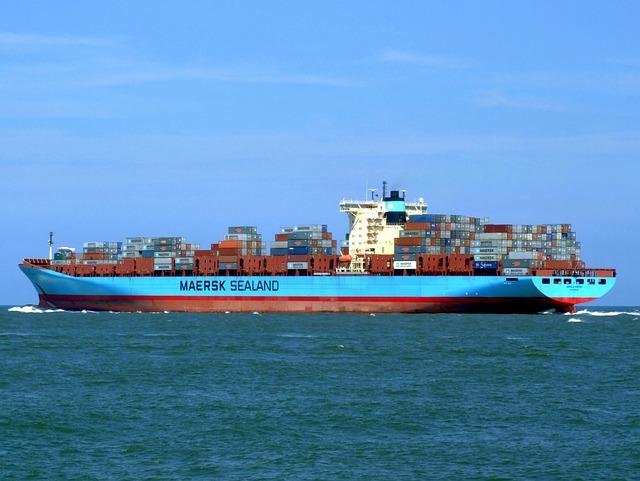
Maersk, one of the world’s leading container shipping companies, has announced updates to its fuel surcharge rates affecting shipments to and from Portugal, Spain, and France. The adjustments come amid fluctuating global fuel prices and aim to reflect current market conditions. Shippers and stakeholders across these key European markets are advised to take note of the revised surcharge structure as it is set to impact logistics costs in the coming months.
Maersk Revises Fuel Surcharges Impacting Key European Markets
Maersk has announced adjustments to its fuel surcharges affecting shipments to and from Portugal, Spain, and France. These revisions are driven by fluctuating oil prices and aim to reflect current market conditions more accurately. Customers can expect varied impacts depending on their specific trade lanes, with some corridors witnessing slight increases while others benefit from reduced fees. The shipping giant emphasizes transparency and encourages clients to consult their updated fuel surcharge schedules to plan logistics and budgeting accordingly.
The updated rates come into effect immediately and cover both import and export services across Mediterranean and Atlantic ports. Below is an overview of the revised fuel surcharge percentage changes for key trade routes:
| Trade Route | Previous Fuel Surcharge | Revised Fuel Surcharge | Change |
|---|---|---|---|
| Portugal – Northern Europe | 12% | 13.5% | +1.5% |
| Spain – Baltic Ports | 11% | 10.5% | -0.5% |
| France – Mediterranean | 13% | 14.2% | +1.2% |
- Portugal sees notable surcharge hikes particularly on Northern European routes.
- Spain benefits from marginal reductions on key Baltic trade lanes.
- France experiences moderate increases applying mainly to Mediterranean shipments.
Analyzing the Economic Implications for Portugal Spain and France
The revised fuel surcharges introduced by Maersk pose multifaceted challenges for the economies of Portugal, Spain, and France, all of which rely heavily on the shipping sector for trade and industry stability. Increased operational costs for shipping companies tend to trickle down to importers and exporters, potentially driving up prices on goods and raw materials. This effect is particularly pronounced in Spain and Portugal, where ports serve as critical hubs for Mediterranean trade and automotive exports. Small and medium-sized enterprises (SMEs), which are especially sensitive to cost fluctuations, may face tighter profit margins, compelling some to reconsider supply chain strategies or seek alternative logistics providers.
On the consumer side, inflationary pressures could accelerate due to the pass-through effect of higher freight costs. Key sectors such as retail, manufacturing, and agriculture might feel the ripple effect, with costs eventually impacting end-users. The following table highlights potential sectoral impacts and associated economic concerns in the three countries:
| Country | Key Affected Sectors | Economic Concerns |
|---|---|---|
| Portugal |
|
Increased export costs, inflation risk, supply chain delays |
| Spain |
|
Rising consumer prices, input cost volatility, trade competitiveness |
| France |
|
Supply chain bottlenecks, inflationary pressures, export margin squeeze |
Strategies for Shippers to Navigate Increased Fuel Costs Efficiently
As fuel surcharges continue to rise in key European markets, shippers must adopt multifaceted approaches to mitigate the impact on their logistics budgets. Prioritizing route optimization and leveraging advanced GPS technologies can reduce unnecessary mileage and fuel consumption. Additionally, collaborating closely with carriers to understand fluctuating surcharge policies allows for better forecasting and budgeting. Emphasizing consolidation of shipments not only minimizes the number of trips but also improves fuel efficiency, creating a sustainable cost-buffer against volatile energy prices.
Investing in alternative transportation modes or hybrid fleet solutions emerges as a viable strategy amid rising prices. Shippers can also negotiate longer-term contracts with fixed fuel surcharge terms to stabilize expenses. The table below summarizes practical tactics shippers are implementing to tackle elevated fuel costs effectively:
| Strategy | Benefit | Implementation Ease |
|---|---|---|
| Shipment Consolidation | Lower fuel usage per container | Medium |
| Route Optimization Software | Reduced mileage and delays | High |
| Contractual Fuel Rate Caps | Expense predictability | Low |
| Alternative Transport Modes | Diversified risk & cost | Medium |
Wrapping Up
As Maersk adjusts its fuel surcharges across Portugal, Spain, and France, stakeholders within the shipping and logistics sectors are advised to monitor these changes closely. The revised fees reflect ongoing fluctuations in fuel costs and underline the challenges facing the industry amid a dynamic global energy landscape. Market participants can expect further updates as Maersk and other carriers continue to navigate these evolving conditions.