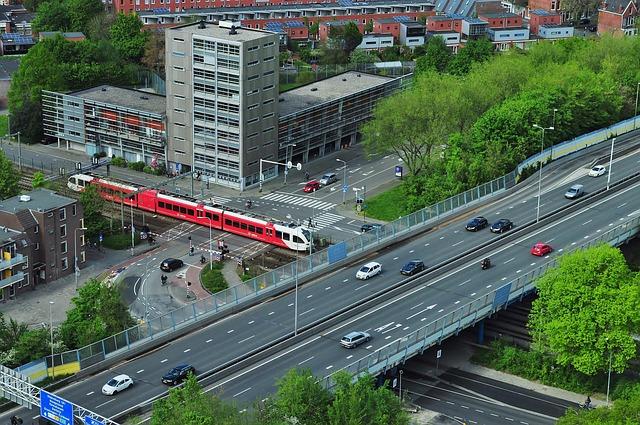
Despite fuel prices hovering near record highs, recent data reveals that people in the Netherlands are driving more than ever before. This unexpected trend comes amid ongoing concerns about inflation and efforts to encourage sustainable transportation. Analysts and policymakers are now examining the factors behind this rise in vehicle use, as its implications pose challenges for both climate goals and energy consumption in the country.
Rising Fuel Costs Fail to Curb Driving Habits Among Dutch Motorists
Despite fuel prices hovering near historic highs, Dutch motorists continue to increase their mileage, defying expectations that costlier petrol would lead to more cautious driving behaviors. New transportation data reveals that average distances driven per vehicle have risen steadily over the past six months, suggesting that commuting habits and lifestyle necessities outweigh the deterrent effect of rising fuel expenses.
Key factors influencing this trend include:
- Limited alternatives for rural commuters reliant on cars
- Gradual easing of pandemic-related remote work policies
- Insufficient public transportation options in suburban areas
| Month | Average Distance Driven (km) | Fuel Price (€/liter) |
|---|---|---|
| January 2024 | 850 | 2.15 |
| March 2024 | 875 | 2.22 |
| May 2024 | 900 | 2.28 |
Economic and Cultural Factors Driving Increased Road Traffic in the Netherlands
Despite soaring fuel costs, several economic and cultural dynamics have fueled a rise in road traffic across the Netherlands. The robust Dutch economy continues to support higher disposable incomes, enabling more frequent car use among middle- and upper-income groups. Additionally, the country’s strong export-driven sectors have increased commercial transport demands, particularly in logistics and delivery services, which rely heavily on road haulage. This commercial uptick is reflected in freight traffic statistics, where transport trucks and vans make up a significant portion of traffic growth.
Culturally, the Dutch preference for individual mobility remains resilient. Many citizens prioritize flexible, independent travel over public transportation, especially in suburban and rural areas where alternatives are limited. Social habits, such as weekend trips and visiting family across regions, further contribute to this sustained car usage. Moreover, the rise of remote work hasn’t entirely diminished commute-related journeys but shifted travel patterns, prompting more car trips during off-peak hours. Below is a summary of key factors influencing increased road traffic:
- Economic growth boosting income and spending power
- Expanded commercial freight increasing truck presence
- Cultural preference for private over public transport
- Remote work causing more flexible but frequent trips
- Limited rural alternatives driving car dependency outside cities
| Factor | Impact |
|---|---|
| Economic Growth | ↑ Disposable Income → More Trips |
| Commercial Freight | ↑ Road Traffic by Delivery Vehicles |
| Cultural Norms | Preference for Car Usage |
| Remote Work | Shifts Trip Timing, More Off-Peak Travel |
| Rural Connectivity | Limited Public Options → Car Dependency |
Policy Measures Needed to Encourage Sustainable Transportation Choices
To reverse the trend of increasing car usage despite soaring fuel prices, a multi-faceted policy approach is essential. Governments should enhance investment in reliable, affordable, and convenient public transport options that offer viable alternatives to driving. Expanding cycling infrastructure and pedestrian-friendly urban designs can also encourage active transportation modes, making them safer and more appealing for daily commutes. Likewise, incentivizing electric vehicle (EV) adoption through subsidies, tax breaks, and extended charging networks will reduce dependency on fossil fuels while supporting environmental goals.
Beyond infrastructure, behavioral nudges and regulatory frameworks can reinforce sustainable choices. Implementing congestion charges or low-emission zones in urban centers can discourage unnecessary car trips and reduce air pollution. Workplace policies encouraging telecommuting and flexible hours can alleviate peak-hour traffic, enhancing overall urban mobility. Below is a simplified comparison of key policy tools and their expected impacts:
| Policy Measure | Impact on Car Use | Environmental Benefit |
|---|---|---|
| Public Transport Investment | High – More alternatives | Moderate – Lower emissions |
| Cycling Infrastructure | Medium – Increased active travel | High – Zero emissions |
| Congestion Charges | High – Reduced trips | High – Less pollution |
| EV Incentives | Medium – Cleaner vehicles | High – Reduced fossil fuel use |
To Wrap It Up
As fuel prices continue to hover near record highs, the unexpected rise in driving activity across the Netherlands raises important questions about consumer behavior, economic pressures, and the effectiveness of current energy policies. Whether this trend will persist or prompt adjustments in government strategy remains to be seen. For now, the surge in road use underscores the complex relationship between fuel costs and mobility in the Dutch context.