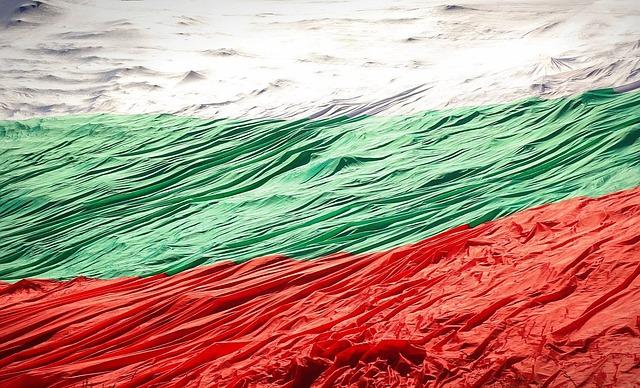
Amid ongoing geopolitical tensions between Russia and the West, concerns have emerged over the potential for Russia to deepen its influence within European Union member states. However, a recent analysis by the Atlantic Council asserts that Bulgaria is unlikely to become President Vladimir Putin’s new proxy inside the EU. Despite historical ties and a complex energy relationship with Moscow, the country’s political landscape and evolving strategic priorities suggest a continuing alignment with Western institutions rather than a pivot toward Russian interests.
Bulgaria’s Strategic Position in the EU Limits Russian Influence
Bulgaria’s geographic location at the crossroads of Europe and Asia, combined with its membership in both the European Union and NATO, fortifies its position against external influences seeking to exploit regional vulnerabilities. This unique status provides Sofia with a platform to engage in European policymaking processes that promote democratic values and energy security, minimizing the Kremlin’s leverage. Moreover, Bulgaria’s increasing reliance on EU mechanisms for economic development and political stability further distances it from Moscow’s ambitions to expand its political sway in the bloc.
Several factors underscore Bulgaria’s resilience against becoming a foothold for Russian interests within the Union:
- EU Integration: Bulgaria actively participates in EU initiatives aimed at reducing dependency on Russian energy supplies.
- Security Cooperation: Collaboration with NATO reinforces Bulgaria’s strategic alignment with Western allies.
- Economic Diversification: Efforts to diversify trade partners reduce economic vulnerabilities to Russian influence.
- Public Sentiment: Growing public awareness and media scrutiny minimize covert political manipulation.
| Indicator | Bulgaria | Typical Russian Influence Target |
|---|---|---|
| EU Membership | Full Member | Varies, often candidate or non-member |
| Energy Dependence on Russia | Decreasing (30%) | High (> 50%) |
| NATO Alignment | Committed Ally | Limited or no alignment |
Political and Economic Factors Undermining Proxy Prospects
Bulgaria’s political landscape is characterized by a complex web of alliances and growing pro-Western sentiment, which significantly diminishes the likelihood of it aligning as a proxy for Russian interests. The country’s leadership, despite occasional rhetoric appealing to Russian ties, increasingly prioritizes integration within the European Union and NATO frameworks. This commitment is evidenced by recent multifaceted cooperation agreements and Bulgaria’s active role in EU security initiatives, making it a challenging environment for Moscow to exert direct influence.
Additionally, internal political fragmentation and frequent government changes create an unstable platform for sustained, nuanced foreign policy manipulation by Russia. Public opinion surveys also reveal a clear trend towards favoring European values over Kremlin narratives, underscoring the erosion of Russia’s soft power. These political dynamics, combined with enhanced democratic institutions and vigilant civil society groups, act as a robust counterbalance to any attempts that may aim to position Bulgaria as a Kremlin proxy.
Economic factors further complicate Russian ambitions. Bulgaria’s expanding trade relations with the EU and diversification of energy sources severely undermine its dependence on Russian gas and financing. Although Russia remains a notable player in Bulgaria’s energy sector, new infrastructure projects and EU-backed renewable initiatives are steadily reducing Bulgaria’s vulnerability to economic coercion. The table below highlights key economic indicators relevant to Bulgaria’s shifting dependencies:
| Economic Indicator | Status | Trend | ||
|---|---|---|---|---|
| Russian gas imports | 35% of total consumption | Declining | ||
| EU trade dependency | 70% of exports | Increasing | ||
| Foreign direct investment (EU-based) |
| Economic Indicator |
Status |
Trend |
|
| Russian gas imports | 35% of total consumption | Declining | ||
| EU trade dependency | 70% of exports | Increasing | ||
| Foreign direct investment (EU-based) | €2.5 billion annually | Increasing |
Summary of Bulgaria’s position regarding alignment with Russian interests:
- Political Dynamics: Bulgaria’s leadership increasingly leans toward the EU and NATO with strong pro-Western sentiment. Internal political volatility and growing civil society vigilance limit Russian influence.
- Economic Factors: Bulgaria is actively reducing dependence on Russian energy, with declining Russian gas imports and increasing EU trade and investment, which erode Moscow’s economic leverage.
- Implications: These factors collectively reduce the plausibility of Bulgaria serving as a stable proxy for Russian geopolitical aims, suggesting that Russia’s capacity to influence Bulgaria has diminished significantly.
If you’d like, I can assist in expanding this analysis or formatting it for a specific publication or presentation.
Strengthening Democratic Institutions Key to Resisting External Pressure
To effectively counter external influences aiming to destabilize Bulgaria’s political landscape, it is essential to bolster the resilience and transparency of democratic institutions. Strengthening judicial independence, enhancing media freedom, and promoting civic education are critical components in creating a robust framework that can withstand covert operations and disinformation campaigns. These measures not only safeguard national sovereignty but also contribute to upholding Bulgaria’s commitments as a member of the European Union.
Key initiatives for reinforcing democratic resilience include:
- Judicial reforms: Implementing transparent appointment processes and ensuring accountability to eliminate corruption and political interference.
- Media pluralism: Supporting independent journalism to provide citizens with unbiased information and counteract propaganda.
- Civic engagement: Encouraging public participation in democratic processes to create a politically informed and active citizenry.
| Institution | Current Challenge | Recommended Action |
|---|---|---|
| Judiciary | Political influence in appointments | Independent selection committees |
| Media | Concentration of ownership | Support for independent outlets |
| Civil Society | Low public participation | Education and outreach programs |
Wrapping Up
In conclusion, while concerns have circulated about Russia’s potential influence over Bulgaria within the European Union, analysis by the Atlantic Council suggests such fears are overstated. Bulgaria’s democratic institutions, strategic ties with Western allies, and growing integration into EU frameworks collectively diminish the likelihood of it becoming a Kremlin proxy. As the geopolitical landscape continues to evolve, monitoring Bulgaria’s position will remain crucial, but current indicators point toward its sustained alignment with European and transatlantic partners rather than Russian interests.










![Sweden Blocks 2 AI Chatbots, Keeps Copilot [2026] – https://tech-insider.org/](https://europ.info/wp-content/uploads/2026/10/3079689-sweden-blocks-2-ai-chatbots-keeps-copilot-2026-https-tech-insider-org-120x86.jpg)