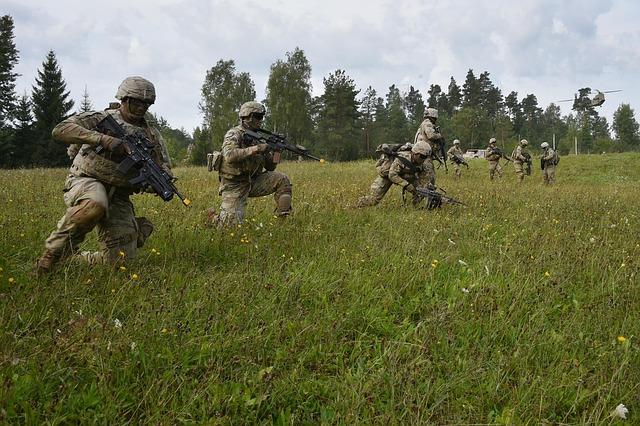
Spain has deployed military forces to the autonomous city of Ceuta following a sudden surge of migrants breaching the border from neighboring Morocco. The unprecedented influx, which saw thousands crossing into the Spanish enclave within a short span, resulted in at least nine fatalities, according to official reports. Authorities in both Spain and Morocco have been grappling with the complex humanitarian and security challenges posed by the mass border crossing, raising tensions in the already sensitive region. This latest development underscores ongoing migration pressures along Europe’s southern frontier and the delicate diplomatic relationship between the two countries.
Spain Mobilizes Military Forces in Ceuta Amid Border Crisis
In response to an unprecedented influx of migrants crossing into the Spanish enclave of Ceuta from Morocco, Spanish authorities have swiftly mobilized military forces to bolster border security. The situation escalated after thousands attempted to breach the frontier, resulting in chaotic scenes and at least nine fatalities. Spanish troops, alongside law enforcement, are now engaged in reinforcing patrols and supporting humanitarian efforts to manage the crisis effectively.
Key developments in the evolving situation include:
- Military deployment: Over 200 soldiers dispatched to Ceuta for strategic border control.
- Border reinforcement: Increased fencing and surveillance installations underway.
- Humanitarian response: Emergency medical teams and temporary shelters established to assist migrants.
| Aspect | Details |
|---|---|
| Deaths reported | 9 |
| Migrants involved | Thousands |
| Military personnel deployed | 200+ |
Humanitarian and Security Challenges Emerge Following Mass Border Breach
The unprecedented influx of thousands of individuals crossing into Ceuta has swiftly transformed the city’s border area into a flashpoint for urgent humanitarian concerns. Overcrowded temporary shelters are struggling to provide adequate food, water, and medical care, with local authorities overwhelmed by the scale of needs. Aid organizations warn that without immediate intervention, vulnerable groups-including children and the elderly-face increasing risks of dehydration, illness, and exploitation. The strain on local healthcare facilities is compounded by the ongoing efforts to process asylum claims and manage the influx under complex geopolitical pressures.
On the security front, Spanish forces have mobilized military units to secure the border, aiming to reestablish control and prevent further breaches. This deployment seeks to balance the protection of national sovereignty with the imperative to respect human rights amidst the chaotic scene. Challenges faced by security agencies include:
- Maintaining order amid large crowds and tense encounters
- Coordinating with Moroccan authorities to manage cross-border movements
- Preventing exploitation by criminal networks taking advantage of the turmoil
| Challenge | Immediate Impact | Response |
|---|---|---|
| Overcrowded shelters | Health risks surge | Rapid deployment of medical teams |
| Uncontrolled border access | Border security compromised | Military reinforcement and patrols |
| Human trafficking concerns | Increased vulnerability of migrants | Enhanced law enforcement vigilance |
Strategies for Strengthening Spain-Morocco Border Controls and Regional Cooperation
To effectively manage border security and address the complexities witnessed at the Spain-Morocco frontier, a dual approach focusing on enhanced surveillance and diplomatic engagement is paramount. Spain’s deployment of military personnel to Ceuta signals a robust response aimed at reinforcing border integrity through increased maritime and aerial reconnaissance, advanced biometric systems, and rapid-response units specially trained for such emergencies. These tactical measures are complemented by strategic investments in technology, such as AI-driven monitoring and data-sharing platforms, to anticipate and prevent unauthorized crossings before they escalate.
Simultaneously, fostering regional collaboration remains critical. Spain and Morocco must prioritize sustained dialogue to address root causes of migration and trafficking, while coordinating joint operations targeting smuggling networks. Key components include:
- Regular bilateral security summits to exchange intelligence and coordinate border patrols.
- Joint humanitarian initiatives to provide support for vulnerable migrants and reduce the risk of fatalities.
- Community engagement programs that promote socio-economic development on both sides of the border.
| Strategy | Objective | Expected Outcome |
|---|---|---|
| Enhanced Surveillance | Real-time border monitoring | Reduced illegal crossings |
| Bilateral Coordination | Information sharing | Disrupted trafficking routes |
| Humanitarian Support | Migrant welfare | Lower mortality rates |
The Way Forward
As tensions continue to escalate along the Spain-Morocco border, the deployment of Spanish military forces to Ceuta marks a significant development in the ongoing crisis. Authorities face the urgent challenge of managing migration flows while addressing the humanitarian and security implications following the tragic loss of lives. The situation remains fluid, with both nations under pressure to find a sustainable solution amid growing international concern. Further updates are expected as events unfold.