As the FIFA World Cup captivates soccer fans around the globe, many supporters of the U.S. Men’s National Team (USMNT) are expanding their horizons beyond familiar rivalries. One country generating buzz this year is Bosnia and Herzegovina, a Balkan nation with a rich footballing tradition and a passionate following. But where exactly is Bosnia and Herzegovina on the map? This simple guide will help USMNT fans locate the nation geographically, understand its regional significance, and appreciate the unique backdrop of this World Cup contender.
Location and Geography of Bosnia and Herzegovina Explained for World Cup Fans
Nestled in the heart of the Balkans, Bosnia and Herzegovina occupies a unique spot in southeastern Europe. Bordered by Croatia to the north and west, Serbia to the east, and Montenegro to the southeast, this country boasts a captivating mix of mountainous landscapes and river valleys. Fans tuning into the World Cup will find it tucked just a bit south of Central Europe, making it easy to spot on a European map once you look for its neighbors. The Adriatic Sea kisses a small stretch of its southwestern border near the town of Neum, offering Bosnia and Herzegovina a rare coastal access despite its landlocked impression.
Key geographical facts to know:
- Capital and largest city: Sarajevo, known for its historic Ottoman and Austro-Hungarian architecture
- Dominant terrain: Rugged mountains, including parts of the Dinaric Alps
- Major rivers: The Neretva and Drina, vital for both local culture and hydroelectric power
- Area: About 51,000 square kilometers (roughly the size of West Virginia)
| Feature | Details |
|---|---|
| Region | Balkans, Southeastern Europe |
| Population | ~3.3 million |
| Climate | Continental with Mediterranean influences |
| Time Zone | Central European Time (CET) |
Key Cities and Landmarks to Know When Following Bosnia and Herzegovina’s National Team
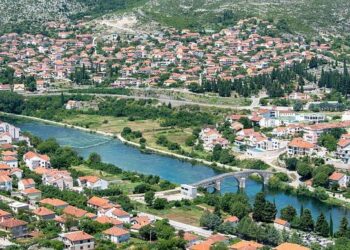
When tracking Bosnia and Herzegovina’s national team, it’s essential to recognize key cities that shape the nation’s cultural and sporting landscape. Sarajevo, the capital and largest city, is not only the political heart but also home to the famous Koševo Stadium, where the national team often plays. This city, rich in history and resilience, offers fans a glimpse into the country’s turbulent past and passionate football culture. Another significant urban hub is Mostar, known for its iconic Stari Most (Old Bridge), symbolizing unity and endurance – traits reflected on the pitch by the team.
Beyond these, several cities act as pillars in the footballing ecosystem. Zenica, for instance, hosts the Bilino Polje Stadium, a frequent venue for international fixtures and a fortress for the national squad. Likewise, Banja Luka, the second-largest city, contributes to the sporting spirit with a strong local fan base and competitive clubs nurturing future stars. Here’s a quick look at these locations:
| City | Landmark | Football Significance |
|---|---|---|
| Sarajevo | Koševo Stadium | National team home ground |
| Mostar | Stari Most (Old Bridge) | Symbol of unity and resilience |
| Zenica | Bilino Polje Stadium | Regular site for international matches |
| Banja Luka | Krajina Stadium | Key to nurturing local football talent |
Travel Tips and Cultural Insights for USMNT Supporters Interested in Bosnia and Herzegovina
For USMNT supporters planning to explore Bosnia and Herzegovina during the World Cup, knowing a bit about local customs can enhance your experience. Bosnians take pride in their warm hospitality, so don’t be surprised if strangers offer you a smile or invite you for coffee-a tradition deeply rooted in their culture. When visiting, it’s respectful to greet people with a simple “Dobar dan” (Good day) or “Hvala” (Thank you). Public behavior tends to be more reserved, especially in religious sites, which reflect the country’s diverse heritage of Bosniaks, Croats, and Serbs. For a smooth trip, carry some local currency (Bosnia and Herzegovina Convertible Mark – BAM), as smaller businesses often prefer cash over cards.
Transportation between cities like Sarajevo, Mostar, and Banja Luka is relatively straightforward, with efficient bus routes and affordable fares. When it comes to dining, consider trying traditional dishes such as čevapi (grilled meat sausages), burek (savory pastry), and bosanski lonac (a hearty meat and vegetable stew). Here’s a quick table to help you with common phrases and essentials for traveling:
| English | Bosnian | Pronunciation |
|---|---|---|
| Hello | Dobar dan | DOH-bar dan |
| Thank you | Hvala | HVAH-lah |
| Yes | Da | Da |
| No | Ne | Neh |
| Excuse me | Izvinite | eez-VEE-nee-teh |
- Pack layers: Weather can change quickly from warm days to chilly evenings.
- Respect religious sites: Dress modestly when visiting mosques, churches, and synagogues.
- Try local coffee: Bosnian It looks like your last list item got cut off. Here’s a suggestion to complete that last reminder and polish the section a bit:
- Pack layers: Weather can change quickly from warm days to chilly evenings.
- Respect religious sites: Dress modestly when visiting mosques, churches, and synagogues.
- Try local coffee: Bosnian coffee is a rich and traditional experience, often enjoyed slowly with conversation.
If you’d like, I can help you expand the section further or add tips for safety, popular attractions, or anything else you need!
In Retrospect
As the USMNT faces off on the global stage, understanding where Bosnia and Herzegovina is located adds an extra layer of context to the matchups and the rich footballing history behind each team. Nestled in Southeastern Europe on the Balkan Peninsula, Bosnia and Herzegovina offers not only a fascinating cultural backdrop but also a passionate fanbase eager to celebrate their national pride. For fans following the World Cup, this simple geographic guide underscores the global nature of the tournament and the diverse stories fueling every game. Stay tuned to Yahoo Sports for more insights and coverage as the competition unfolds.