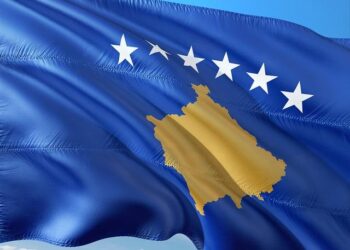
Pristina, Kosovo – As urban development accelerates in Kosovo, the need for environmentally sustainable and resilient public spaces has never been more urgent. In response, the Deutsche Gesellschaft für Internationale Zusammenarbeit (GIZ) is spearheading initiatives aimed at transforming Kosovo’s parks, plazas, and communal areas into greener, more adaptive environments. These efforts not only address pressing environmental challenges but also seek to enhance community well-being and urban resilience in the face of climate change. This article explores how GIZ is collaborating with local authorities and communities to plan and implement innovative solutions for a sustainable urban future in Kosovo.
Designing Sustainable Urban Landscapes to Enhance Community Wellbeing in Kosovo
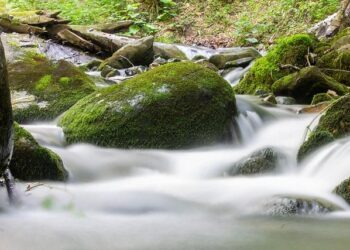
As Kosovo grapples with rapid urbanization and environmental challenges, innovative approaches to public space development are coming to the forefront. Emphasizing the integration of native vegetation, water-sensitive design, and multifunctional green areas, planners aim to foster environments that not only beautify cities but also promote physical and mental health among residents. Central to these initiatives is community engagement, ensuring that spaces resonate with local culture and meet the diverse needs of neighborhoods. Through collaborative efforts, these sustainable urban landscapes serve as vital hubs for social interaction, ecological balance, and climate resilience.
Several key strategies underpin this movement towards greener, more resilient spaces:
- Adaptive green infrastructure that mitigates flooding and reduces urban heat islands.
- Public participation in design processes to reflect community values and enhance ownership.
- Connectivity through green corridors linking parks, schools, and residential areas.
- Promotion of biodiversity by protecting native species and creating habitats within urban settings.
| Benefit | Impact on Community |
|---|---|
| Increased Air Quality | Reduced respiratory issues |
| Accessible Green Spaces | Enhanced physical activity |
| Climate Adaptation | Reduced urban flooding |
| Community Cohesion | Stronger social networks |
Integrating Climate Resilience Strategies into Public Space Development
In Kosovo, public space development is rapidly evolving to meet the challenges posed by climate change. Urban planners and local authorities are prioritizing nature-based solutions that enhance green infrastructure and promote sustainable water management. Initiatives such as increasing urban tree canopy cover, creating multifunctional parks, and implementing permeable surfaces are designed to reduce heat island effects and improve stormwater absorption. These proactive steps not only foster healthy urban ecosystems but also support community well-being by providing shaded areas for recreation and reducing flood risks during extreme weather events.
Key elements being integrated include:
- Rain gardens and bioswales to capture and filter runoff
- Community-driven landscaping encouraging local stewardship
- Climate-adaptive plant species selected for drought tolerance
- Green corridors linking urban habitats to enhance biodiversity
| Strategy | Benefit | Impact Area |
|---|---|---|
| Permeable Pavements | Improved Drainage | Flood Reduction |
| Urban Tree Planting | Temperature Regulation | Heat Island Mitigation |
| Green Roofs | Energy Savings | Building Insulation |
Collaborating with Local Stakeholders for Long-Term Environmental Impact
Establishing strong partnerships with local communities, governmental bodies, and environmental organizations stands at the heart of fostering sustainable urban development in Kosovo. By leveraging shared knowledge and resources, these collaborations ensure that public spaces are designed not only to enhance green coverage but also to build resilience against climate challenges unique to the region. Engaging residents in participatory planning workshops has proven crucial, empowering them to voice needs and co-create solutions that reflect both ecological priorities and cultural identity.
Key stakeholders contribute through diverse roles that amplify long-term benefits:
- Municipal authorities align infrastructure upgrades with green initiatives, ensuring regulatory support.
- NGOs and environmental experts provide technical guidance on native species selection and sustainable landscaping.
- Local schools and youth groups champion educational outreach and stewardship of revamped spaces.
| Stakeholder | Role | Impact Highlight |
|---|---|---|
| Municipal Authorities | Policy implementation & urban planning | Streamlined green infrastructure projects |
| Environmental NGOs | Technical expertise & advocacy | Enhanced biodiversity in public parks |
| Community Groups | Engagement & local stewardship | Increased community participation |
Insights and Conclusions
As Kosovo continues to navigate the challenges of urbanization and climate change, initiatives like those led by GIZ represent crucial steps toward creating public spaces that are both environmentally sustainable and resilient. By integrating green infrastructure and community-focused planning, these efforts not only enhance the quality of life for residents but also set a benchmark for future development across the region. Moving forward, the success of greener public spaces will depend on continued collaboration between government authorities, local communities, and international partners, ensuring that Kosovo’s urban landscape evolves in harmony with nature and the needs of its people.