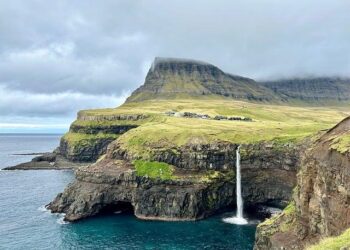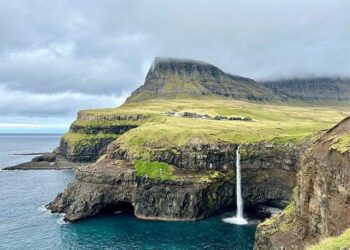
COPENHAGEN – Denmark has formally called on the International Olympic Committee (IOC) to recognize Greenland and the Faroe Islands as independent Olympic teams, according to an announcement Tuesday. The Danish government’s request highlights the increasing push for greater representation of its autonomous territories on the world sporting stage. Both Greenland and the Faroe Islands currently compete under the Danish flag but have distinct cultural identities and local sports organizations seeking direct inclusion in the Olympic movement. The move has sparked discussions within the IOC about eligibility criteria and the evolving dynamics of national representation in international sports.
Denmark Calls for IOC Recognition of Greenland and Faroe Islands as Separate Olympic Teams
Denmark has officially petitioned the International Olympic Committee (IOC) to grant independent Olympic recognition to Greenland and the Faroe Islands, two of its autonomous territories. Advocates argue that both possess distinct cultural identities and sporting infrastructures deserving of separate representation on the global stage. This move seeks to acknowledge their unique contributions to international sports and provide athletes from these regions the opportunity to compete under their own flags.
Key arguments in Denmark’s submission highlight:
- Distinct governance: Both territories manage their own sports associations independent of Denmark.
- Existing international involvement: Greenland and the Faroe Islands already participate separately in events like the Arctic Winter Games and international football competitions.
- Enhanced athlete development: Recognition could lead to increased funding and resources tailored for local athletes.
The IOC’s decision could redefine the Olympic landscape for autonomous regions worldwide, potentially setting a precedent for others seeking similar recognition.
| Region | Population | Current Sports Representation |
|---|---|---|
| Greenland | 56,000 | Arctic Winter Games, FIFA non-member |
| Faroe Islands | 53,000 | UEFA & FIFA member, Arctic Winter Games |
Implications for Regional Identity and International Sports Representation
The push for Greenland and the Faroe Islands to compete as independent teams under the Olympic banner signifies more than just a sports-related ambition; it reflects a growing desire to affirm distinct regional identities on the global stage. For decades, athletes from these territories have competed under Denmark’s flag, often overshadowed by the larger nation’s presence. Recognition by the International Olympic Committee (IOC) would empower these communities to celebrate their unique cultures, languages, and histories, fostering a stronger sense of pride among their populations. This move also aligns with broader trends in international sports, where regional representation plays a key role in diplomacy, cultural exchange, and nationalism.
Beyond identity, the implications for international sports are profound. Independent Olympic teams from Greenland and the Faroe Islands could lead to increased investment in local sports infrastructure, targeted development programs, and greater opportunities for athletes in disciplines where these territories have competitive advantages. This change could also inspire similar movements worldwide, encouraging other non-sovereign regions to seek recognition. The potential new Olympians would bring diverse stories and talents, enriching the Games while reminding the world that athletic excellence transcends political boundaries.
- Strengthening local sports ecosystems through tailored funding and training facilities.
- Enhancing cultural visibility on an international stage.
- Encouraging youth participation by offering representation aligned with regional identity.
- Setting a precedent for other territories seeking IOC recognition.
| Territory | IOC Recognition Status | Population | Olympic Participation |
|---|---|---|---|
| Greenland | Pending | 56,000 | Competes under Denmark |
| Faroe Islands | Pending | 53,000 | Competes under Denmark |
| Denmark | Recognized | 5.8 million | Independent team |
Experts Recommend Policy Frameworks to Support Emerging Olympic Delegations
Global sports analysts and policy experts emphasize the need for comprehensive governance structures that accommodate emerging Olympic delegations like Greenland and the Faroe Islands. According to these specialists, the International Olympic Committee (IOC) should adopt flexible recognition criteria that respect geopolitical nuances while promoting inclusivity. They argue that such frameworks would not only empower smaller or autonomous regions to compete on a global stage but also reinforce the Olympic Charter’s commitment to universality and fair play.
Key recommendations focus on instituting tailored support mechanisms, including:
- Capacity-building programs to develop robust National Olympic Committees.
- Financial assistance for infrastructure and athlete development.
- Clear recognition guidelines respecting political status without compromising the Olympic spirit.
- Collaboration platforms between emerging delegations and established Olympic bodies.
| Policy Element | Expected Impact |
|---|---|
| Flexible Recognition Criteria | Inclusivity for autonomous regions |
| Financial Grants | Improved training facilities |
| Capacity Building | Stronger organizational governance |
| Collaborative Networks | Knowledge and resource sharing |
In Summary
As the International Olympic Committee weighs its position on Denmark’s request to recognize Greenland and the Faroe Islands as independent Olympic teams, the debate highlights broader questions of identity, autonomy, and representation within the international sporting community. The outcome of this appeal could set a significant precedent for other territories seeking separate recognition on the world stage. Further developments will be closely watched by sports officials, athletes, and political observers alike.