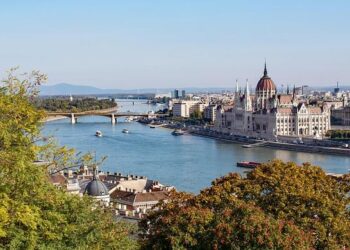
Hungary’s once-vibrant wetlands, long celebrated for their rich biodiversity and ecological significance, are facing unprecedented threats, marking the loss of a natural paradise. In a revealing report by the Financial Times, experts and environmentalists warn that urban expansion, intensive agriculture, and climate change are accelerating the degradation of these critical habitats. This erosion not only endangers numerous species but also undermines the environmental balance and cultural heritage vital to the region. As Hungary grapples with balancing development and conservation, the fate of its wetlands has become a stark symbol of the broader global challenges confronting fragile ecosystems.
Hungarys Vanishing Wetlands Threaten Biodiversity and Local Livelihoods
Hungary’s wetlands, once sprawling ecosystems teeming with life, are steadily disappearing under the pressure of climate change, agriculture, and urban expansion. These vibrant habitats have historically provided a sanctuary for countless species, including migratory birds, amphibians, and rare plants. Today, shrinking water bodies and drying marshes threaten to unravel this delicate web of biodiversity. Conservationists warn that if urgent measures are not taken, many endemic species could face extinction, altering the ecological balance that sustains the region’s natural heritage.
The impact extends beyond nature, directly affecting local communities whose livelihoods depend on these wetlands. Fishing, traditional reed harvesting, and eco-tourism-a vital source of income-are all at risk. Farmers, too, face challenges as alterations in water flow disrupt irrigation patterns and soil health. The stakes are high: preserving the wetlands is not only an environmental imperative but also crucial for maintaining the socio-economic fabric of rural Hungary. Below is a snapshot of the primary threats and their consequences:
- Climate Change: Increased drought frequency leading to water shortage.
- Agricultural Expansion: Conversion of wetlands into crop fields diminishing habitat area.
- Urban Development: Infrastructure projects fragmenting natural water systems.
- Pollution: Runoff from fertilizers and pesticides affecting water quality.
| Threat | Impact on Wetlands | Local Livelihood Effect |
|---|---|---|
| Climate Change | Lower water levels, loss of species | Reduced fishing yields |
| Agriculture | Habitat destruction, soil degradation | Declining reed harvests |
| Urbanization | Watercourse fragmentation | Disrupted irrigation systems |
Government Policies and Economic Pressures Fuel Environmental Decline
Hungary’s rich wetland ecosystems have suffered severe setbacks, largely driven by a complex web of government policies designed to boost short-term economic gains. Incentives favoring agricultural expansion and industrial development have led to widespread drainage and alteration of natural water flows, undermining vital habitats. These strategies, backed by substantial subsidies, fail to account for the wetlands’ ecological value, resulting in a dramatic reduction of biodiversity and the collapse of local fish and bird populations. While the government promotes growth and job creation, the irreversible environmental costs are often sidelined in policy discussions.
Key factors accelerating the decline:
- Subsidized conversion of wetlands into arable land
- Prioritization of infrastructure projects over conservation efforts
- Lack of stringent environmental regulations or enforcement
- Economic pressures on rural communities to exploit natural resources
| Policy Aspect | Impact on Wetlands | Consequence |
|---|---|---|
| Agricultural Subsidies | Encouraged drainage and land reclamation | Loss of habitat and water filtration |
| Infrastructure Development | Disrupted natural water systems | Increased flood risks and erosion |
| Environmental Regulation | Weak oversight and penalties | Unchecked pollution and degradation |
Experts Call for Sustainable Conservation Measures to Restore Wetland Ecosystems
Leading environmentalists emphasize that Hungary’s dwindling wetlands are not just a local loss but a warning signal for global biodiversity. These experts advocate for an integrated approach combining water management reforms, habitat restoration, and community engagement to halt further degradation. Reviving native plant species and improving natural water flow are critical steps identified to restore the wetlands’ complex ecosystems, which serve as vital carbon sinks and breeding grounds for countless species.
Policy makers are urged to support sustainable, long-term frameworks that balance agricultural demands with ecosystem preservation. Innovative solutions such as the creation of buffer zones around critical habitats and the implementation of eco-friendly farming practices have shown promising results in pilot areas. The following table outlines key conservation strategies proposed by the experts:
| Strategy | Primary Benefit | Implementation Timeframe |
|---|---|---|
| Reforestation of wetland edges | Improved biodiversity and erosion control | 2-5 years |
| Water flow restoration projects | Revitalizes natural flood cycles | 3-6 years |
| Community-led monitoring programs | Enhanced local stewardship | Immediate and ongoing |
| Adoption of low-impact agriculture | Reduces chemical runoff | 1-3 years |
Final Thoughts
The decline of Hungary’s once-vibrant wetlands underscores a broader environmental challenge facing the region. As these vital ecosystems continue to shrink under the pressures of development and climate change, the consequences extend beyond biodiversity loss-impacting local communities, agriculture, and natural flood defenses. Addressing the crisis will require coordinated efforts from policymakers, conservationists, and citizens alike to restore and preserve what remains of this fragile wetland paradise. Without decisive action, Hungary risks not only the disappearance of its unique natural heritage but also the long-term resilience of its landscapes.