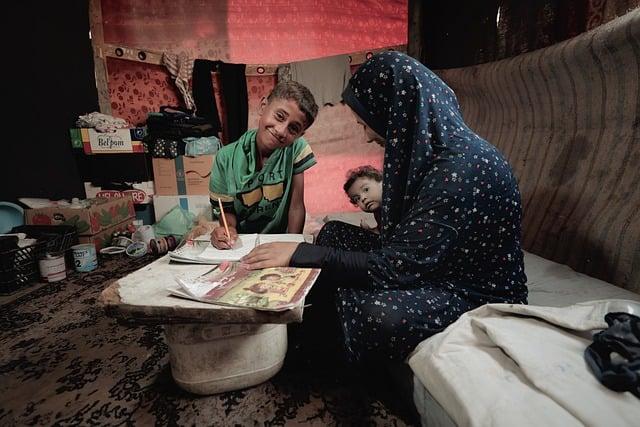
The United Nations High Commissioner for Refugees (UNHCR) has released the 208th weekly update on the Ukraine refugee situation as of 10 August 2026, detailing the ongoing humanitarian response in Romania. As millions continue to seek refuge from the protracted conflict in Ukraine, Romania remains a critical host country, providing shelter, essential services, and support to displaced families. This report highlights recent developments, challenges, and coordinated efforts by UN agencies and local authorities to address the evolving needs of refugees amid a complex and dynamic crisis.
UNHCR Romania Reports Continued Influx and Shelter Challenges for Ukrainian Refugees
Over the past week, Romania has experienced a sustained flow of Ukrainian refugees seeking safety amid ongoing conflict. UNHCR reports that border crossings remain high, with an average of 1,200 individuals entering daily. This surge has intensified pressure on local infrastructures, with several temporary reception centers approaching maximum capacity. The majority of arrivals continue to be women, children, and elderly, necessitating specialized services including psychosocial support and medical care. Coordination with local authorities and humanitarian partners remains critical to manage the evolving needs of displaced populations.
Despite concerted efforts, shelter availability has emerged as a significant challenge. Many existing facilities, including government-run centers and partner-operated shelters, are stretched thin, leading to the establishment of additional emergency sites. UNHCR is prioritizing support for upgrades to heating, sanitation, and accessibility to ensure minimum living standards. Key areas of concern highlighted include:
- Insufficient winterized accommodations ahead of colder months
- Limited space in urban centers impacting family reunification efforts
- Need for improved transport links to remote shelters
| Reception Center | Capacity | Current Occupancy | Available Spaces |
|---|---|---|---|
| Iași | 1,000 | 985 | 15 |
| Constanța | 850 | 820 | 30 |
| Cluj-Napoca | 600 | 590 | 10 |
| Bucharest | 1,200 | 1,180 | 20 |
Detailed Analysis of Humanitarian Aid Distribution and Access Gaps in Border Regions
In recent weeks, the flow of humanitarian aid to border areas has faced significant challenges that jeopardize timely access for vulnerable groups. While UNHCR and partner agencies have intensified efforts to deliver essential supplies-including food, water, and medical kits-logistical constraints and fluctuating security conditions continue to create notable access gaps. Remote settlements, particularly those located along unofficial crossing points, experience delays exceeding 72 hours on average. Local authorities report that disrupted transport routes and administrative bottlenecks contribute heavily to these impediments, with smaller border communities disproportionately affected due to their limited infrastructure.
Detailed monitoring reveals disparities in aid distribution effectiveness across various border sectors. The table below highlights key distribution metrics from the past month, illustrating where relief has reached and where critical shortfalls remain:
| Border Sector | Average Delivery Time | Population Served (%) | Reported Access Issues |
|---|---|---|---|
| Sector North | 24 hours | 87% | Minimal roadblocks |
| Sector East | 48 hours | 65% | Security checkpoints |
| Sector South | 72+ hours | 43% | Damaged infrastructure |
| Sector West | 36 hours | 71% | Administrative delays |
To address these challenges, UNHCR is coordinating with local authorities to streamline customs procedures and enhance transport networks, emphasizing support for the most isolated communities. Community engagement remains pivotal, with volunteers providing real-time reports to optimize delivery routes and anticipate emerging obstacles.
Recommendations for Enhanced Coordination and Long-term Support Strategies
To streamline efforts amidst the evolving refugee landscape, it is imperative to establish stronger inter-agency communication channels. Enhanced coordination between governmental bodies, UNHCR, NGOs, and local communities will facilitate timely resource allocation and reduce overlap in services. Prioritizing the integration of digital tracking systems can provide real-time updates on refugee needs and aid distribution, enabling stakeholders to adapt rapidly to changing circumstances.
Key strategic recommendations include:
- Development of centralized data platforms to monitor refugee demographics and service utilization effectively.
- Strengthening community-based support networks that empower refugees through education and vocational training.
- Scaling up mental health and psychosocial services to address long-term trauma and promote resilience.
- Investment in sustainable housing solutions focused on integration rather than temporary sheltering.
- Enhanced collaboration on policy advocacy to ensure refugee rights and access to national healthcare and employment systems.
| Focus Area | Action Point |
|---|---|
| Data Management | Implement interoperable tracking tools across agencies |
| Community Empowerment | Expand local refugee-led initiatives and training programs |
| Mental Health Services | Increase funding for culturally sensitive counseling programs |
| Sustainable Housing | Promote public-private partnerships for affordable housing |
| Policy Advocacy | Lobby for simplified legal frameworks on refugee employment |
In Conclusion
As the situation continues to evolve, UNHCR remains committed to providing vital assistance and protection to Ukrainian refugees in Romania. Ongoing coordination with government authorities, partners, and local communities is essential to address emerging needs and ensure access to shelter, healthcare, and legal support. Stakeholders are urged to maintain their support as the humanitarian response adapts to the challenges ahead. For the latest developments and detailed information, stay tuned to ReliefWeb and UNHCR’s official channels.