In recent years, Edi Rama has stood as a dominant figure in Albanian politics, celebrated by supporters for his ambitious reform agenda and artistic flair. However, beneath the surface of his carefully cultivated image, cracks are beginning to show. This article delves into the unfolding unraveling of the so-called “cult of Edi Rama,” exploring the growing discontent among Albanians, the challenges facing his government, and the broader implications for the country’s democratic future. As Albania navigates a turbulent political landscape, the once unassailable leader’s grip on power is increasingly being questioned.
The Rise and Fall of Edi Rama’s Political Dominance
Once hailed as the architect of Albania’s progressive transformation, Edi Rama’s political ascent was marked by promises of reform and a vision of modernization. Under his leadership, the country saw significant infrastructure projects, increased foreign investment, and a rebranding of its international image. However, cracks began to appear as allegations of nepotism, judicial interference, and stalled anti-corruption efforts eroded public trust. The initial enthusiasm that propelled Rama to power gradually gave way to skepticism and unrest among both citizens and political opponents.
Several factors contributed to the unraveling of what was once regarded as a political stronghold:
- Economic stagnation amid rising inflation and unemployment
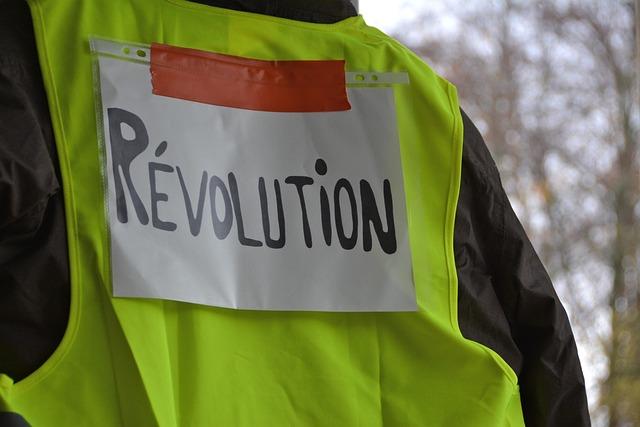
- Widespread protests
- Cracks within the Socialist Party
| Key Period | Event | Impact |
|---|---|---|
| 2013-2017 | Major urban redevelopment | Boosted international profile |
| 2017-2021 | Anti-corruption promises | Limited tangible reforms |
| 2022-Present | Public protests & internal dissent | Declining popularity |
Unpacking the Impact of Corruption and Economic Challenges on Public Trust
In recent years, Albania has grappled with a pervasive climate of distrust fueled by endemic corruption and mounting economic hardships. Public institutions, once viewed as pillars of governance, have been repeatedly compromised, eroding citizen confidence in their ability to deliver justice and equitable development. The opacity in government dealings and the perception of favoritism have deepened societal fractures, reflecting a broader disillusionment that transcends political allegiances. As citizens face stagnant wages and rising costs of living, the growing gap between promises and reality sharpens public skepticism towards leadership.
- Corruption allegations erode legitimacy across all administrative layers
- Economic stagnation fuels unemployment and underemployment rates
- Weak rule of law undermines judicial impartiality and enforcement
| Year | Corruption Perception Index | Unemployment Rate | Public Trust in Government (%) |
|---|---|---|---|
| 2018 | 35 | 13.8% | 42% |
| 2021 | 33 | 15.1% | 35% |
| 2023 | 29 | 16.7% | 28% |
These intertwined challenges have not only stifled economic progress but have also catalyzed a broader movement demanding transparency and accountability from political elites. The public discourse increasingly highlights the urgent need for systemic reform, with grassroot campaigns and civil society organizations gaining momentum. However, dismantling entrenched networks of patronage requires more than rhetoric; it calls for decisive institutional overhaul and a commitment to uphold democratic principles genuinely. Without significant change, the cycle of disenchantment is poised to deepen, threatening the very stability of the nation’s democratic project.
Strategies for Restoring Democratic Integrity and Rebuilding National Confidence
To mend the fractured democratic framework and rekindle public trust in Albania, a multifaceted approach is essential. Transparency must become the cornerstone of all governmental actions, with independent bodies overseeing elections and judicial proceedings to prevent further erosion of credibility. Civil society organizations should be empowered to participate actively in monitoring and reporting democratic processes, ensuring that accountability is not merely theoretical but enforced. Additionally, reforming the media landscape to guarantee freedom of expression and combat disinformation is vital for an informed electorate capable of making decisions free from manipulation.
Restoring national confidence demands both symbolic and practical gestures from political leaders. These could include:
- Institutional reforms that dismantle patronage networks and promote merit-based appointments.
- Public forums and dialogues designed to bridge divides between citizens and policymakers.
- Education campaigns focusing on civic responsibility and democratic rights.
| Strategy | Expected Outcome |
|---|---|
| Election Integrity Initiatives | Trust in voting processes |
| Judicial Independence Measures | Fair legal proceedings |
| Media Freedom Safeguards | Informed public discourse |
To Wrap It Up
As the cracks in Edi Rama’s long-standing political apparatus become increasingly visible, Albania stands at a pivotal crossroads. What once seemed an unassailable cult of personality is now facing mounting skepticism and dissent, signaling a potential shift in the nation’s political landscape. The unraveling of Rama’s hold not only reflects internal challenges but also highlights the broader quest for transparency and democratic accountability in Albania’s evolving story. The coming months will be critical in determining whether this revolution marks a genuine turning point or merely another chapter in the country’s complex political saga.