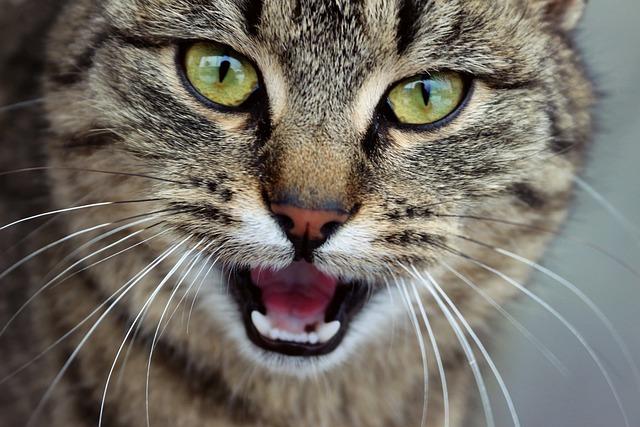
A recent viral claim has swept through social media platforms, alleging that leaving a cat alone all day is illegal in Sweden. As the story gains traction and sparks debates about animal welfare regulations, questions arise about the accuracy of these assertions and the actual legal framework surrounding pet care in the Scandinavian country. This article delves into the facts behind the viral claim, examining Swedish laws and expert opinions to separate myth from reality.
Viral Claim Sparks Debate Over Cat Care Laws in Sweden
Recent online discussions have centered around a claim that leaving a cat home alone all day is explicitly illegal in Sweden. This assertion quickly gained traction on social media, causing pet owners and animal welfare advocates alike to question the legal responsibilities tied to feline care. However, a closer examination of Swedish animal welfare regulations reveals that while the law emphasizes the importance of meeting an animal’s physical and psychological needs, it does not specifically prohibit leaving cats alone during typical working hours. The legislation instead focuses on ensuring adequate food, water, and stimulation, highlighting owners’ overall duty to safeguard their pets’ well-being rather than imposing rigid restrictions on time spent alone.
To clarify, key points from the Swedish Animal Welfare Act include:
- Provision of daily care: owners must ensure animals have sufficient food, water, and a hygienic living environment.
- Attention to behavioral needs: animals must be able to express normal behavior patterns to avoid stress and suffering.
- Medical attention: prompt care is required if the animal is injured or ill.
| Myth | Fact |
|---|---|
| Leaving a cat alone all day is illegal | No specific law forbids this; owners must meet overall welfare needs |
| Cats require constant human presence | Cats are independent but need regular care and enrichment |
| Penalties for routine absences | Penalties arise only if neglect or suffering is proven |
Understanding Sweden’s Animal Welfare Regulations and Their Implications
Sweden is renowned for its stringent animal welfare regulations, which are among the most progressive in the world. The country’s Animal Welfare Act emphasizes not only the physical health of animals but also their psychological well-being. Contrary to viral claims suggesting it is explicitly illegal to leave a cat alone all day, the law does not specifically prohibit temporary absences. Instead, it mandates that animals must be provided with conditions that avoid unnecessary suffering and stress. This includes adequate food, water, shelter, and opportunities for social interaction and mental stimulation when appropriate.
Key aspects of Sweden’s animal welfare approach include:
- Regular care – Animals must be checked on regularly to ensure their well-being.
- Environmental enrichment – Owners are encouraged to provide toys, scratching posts, and playtime to prevent boredom.
- Responsibility for welfare – Owners must prevent situations that can cause harm or distress, which may vary depending on the animal’s age, health, and temperament.
| Requirement | Implication |
|---|---|
| Feeding Schedule | Must be consistent and timely to avoid hunger |
| Companionship | Necessary for social animals, less strict for solitary species |
| Safe Environment | Protected from hazards and extreme weather |
| Veterinary Care | Immediate treatment for illness or injury |
While the regulations stress the importance of attentive pet ownership, law enforcement typically focuses on clear-cut cases of neglect or abuse rather than everyday situations like leaving a cat at home during work hours. Pet owners are encouraged to exercise judgment and provide adequate care, but a brief daytime absence is not categorically illegal under Swedish animal welfare laws.
Expert Recommendations for Responsible Pet Ownership During Work Hours
Balancing a busy work schedule while ensuring a cat’s wellbeing can be challenging but entirely feasible with the right approach. Experts emphasize the importance of creating an enriched environment that keeps feline companions engaged during long hours alone. This includes interactive toys, climbing structures, and periodic feeding puzzles to stimulate mental and physical activity. Additionally, setting up comfortable resting spots near windows offers natural entertainment and connection to the outside world, reducing feelings of isolation.
Key tips for maintaining your cat’s health and happiness when you’re away:
- Provide multiple water sources to encourage hydration throughout the day.
- Establish a consistent routine to reduce anxiety and stress.
- Employ timed feeders that mimic mealtime and discourage overeating.
- Consider automated toys or pet cams to interact remotely and monitor behavior.
- Arrange for mid-day check-ins or a trusted pet sitter during extended absences.
| Action | Benefit |
|---|---|
| Interactive Toys | Stimulates mental activity and prevents boredom |
| Window Perch | Encourages natural curiosity and relaxation |
| Timed Feeders | Maintains healthy eating patterns |
| Remote Monitoring | Offers peace of mind and engagement |
The Conclusion
In conclusion, while the viral claim that leaving a cat alone all day is illegal in Sweden has sparked widespread debate, the reality is more nuanced. Swedish animal welfare laws emphasize the responsibility of pet owners to ensure the well-being of their animals, but there is no specific legislation outright banning the practice of leaving a cat unattended during typical work hours. As always, pet owners are encouraged to provide adequate care and attention to their animals to maintain their health and happiness. This clarification underscores the importance of verifying sensational claims before drawing conclusions, particularly when they concern legal matters.