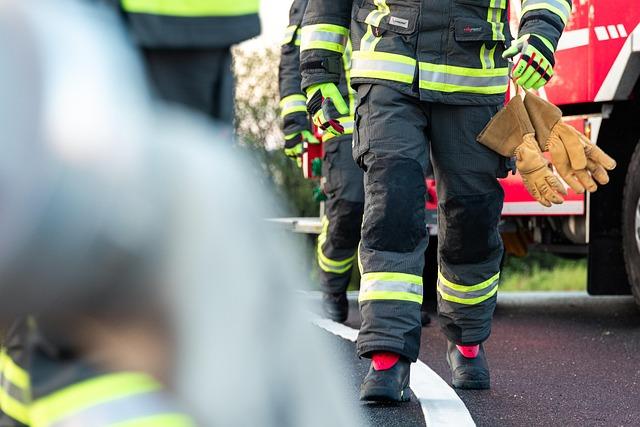
Firefighters in Belgium and Greece are battling fierce wildfires amid scorching temperatures and dry conditions, as authorities grapple with increasingly severe fire seasons across Europe. In a tragic development, two people have died on an island near Athens, where crews are working urgently to contain flames threatening homes and natural landscapes. The blazes highlight the growing challenges posed by heatwaves and climate change, prompting widespread emergency responses and international solidarity.
Firefighters Struggle to Contain Rapidly Spreading Wildfires in Belgium and Greece
Blazing flames have rapidly engulfed vast areas across Belgium and Greece, pushing firefighting crews to their limits as they battle challenging conditions. In Greece, the fires intensified near an island off Athens, where sadly, two lives were lost amid evacuation efforts. Local authorities have declared a state of emergency in multiple regions, as soaring temperatures and strong winds continue to hamper containment operations. Teams on the ground are equipped with aerial support, including water-dropping helicopters and planes, but the unpredictable spread is forcing continuous adjustments in strategy.
Key factors complicating firefighting efforts include:
- Unseasonably dry weather combined with drought conditions
- Dense forests and rough terrain restricting ground access
- High wind speeds dispersing embers over large distances
| Country | Approx. Area Affected (hectares) | Firefighters Deployed | Fatalities |
|---|---|---|---|
| Belgium | 1,200 | 350 | 0 |
| Greece | 3,400 | 600 | 2 |
Tragic Loss of Lives on Island Near Athens Highlights Urgent Need for Enhanced Safety Measures
The recent wildfire tragedy on a small island near Athens has claimed two lives, underscoring the critical vulnerabilities in local emergency response and safety protocols. Despite the relentless efforts of firefighters battling the blazes in both Belgium and Greece, the incident revealed gaps in evacuation routes, communication systems, and timely alert dissemination. Residents and visitors found themselves trapped amidst rapidly spreading flames, exacerbated by strong winds and dry conditions, raising questions about preparedness in popular yet isolated destinations.
Key factors contributing to the tragic loss include:
- Limited access points restricting quick evacuations
- Insufficient firebreaks to contain wildfire spread
- Delay in emergency warnings reaching vulnerable populations
- Challenges coordinating cross-regional firefighting efforts
| Aspect | Current Status | Recommended Improvements |
|---|---|---|
| Evacuation Routes | Single limited road | Develop multiple, clearly marked paths |
| Fire Detection | Basic local monitoring | Implement advanced satellite and drone surveillance |
| Public Alerts | Traditional sirens and phone calls | Integrate app-based push notifications and SMS |
Addressing these deficiencies with coordinated investments and updated safety guidelines is critical to prevent future loss of life. Authorities in Greece and neighboring regions must prioritize collaborative wildfire management strategies, especially as climate change continues to elevate the frequency and severity of such disasters.
Experts Call for Strengthened Cross-Border Cooperation and Increased Resources to Combat Wildfire Threats
In the wake of devastating fires sweeping across Belgium and Greece, experts emphasize the urgent need for enhanced international collaboration to effectively manage and extinguish wildfires that threaten multiple countries simultaneously. Fire management agencies and governments are urged to establish unified command structures and share critical intelligence in real time, enabling faster, more coordinated responses. Cross-border resource mobilization, including aerial firefighting assets and specialized crews, could prove decisive in containing fires before they escalate beyond control.
Moreover, increasing investment in advanced technologies and training programs is deemed essential to bolster preparedness. Experts highlight the value of predictive analytics, satellite monitoring, and community awareness initiatives to mitigate wildfire risks proactively. The following table outlines key recommendations currently advocated by wildfire management specialists:
| Recommendation | Purpose | Expected Impact |
|---|---|---|
| Integrated Command Centers | Unify cross-border coordination | Faster deployment of resources |
| Joint Training Exercises | Standardize firefighting tactics | Improved operational efficiency |
| Investment in Technology | Enhance early detection | Reduced wildfire spread |
| Shared Resource Pools | Optimize use of manpower and equipment | Cost-effective responses |
Final Thoughts
As firefighting efforts continue across Belgium and Greece, authorities remain vigilant amid challenging conditions and ongoing threats to communities and natural landscapes. The tragic loss of two firefighters on an island near Athens underscores the severe risks faced by those on the front lines of these wildfires. Officials have urged residents to stay informed and comply with safety measures as investigations into the causes and impacts of the fires proceed. Emergency responders remain committed to containing the blazes and protecting lives and property as the situation develops.