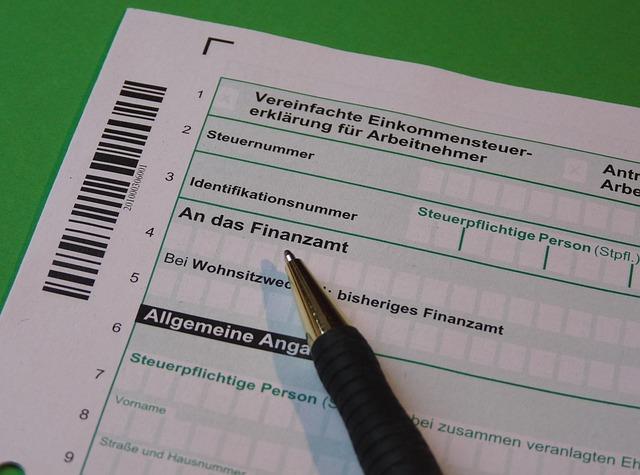
Albania’s tax authorities have intensified efforts to clamp down on the country’s informal economy by targeting online trade, officials announced this week. As digital commerce continues to expand rapidly, the Albanian Tax Office is deploying new compliance measures aimed at improving tax collection and curbing undeclared sales conducted through e-commerce platforms. This initiative reflects broader government attempts to modernize tax administration and boost transparency in an economy where informal transactions remain widespread.
Albania Intensifies Scrutiny on E-Commerce to Combat Tax Evasion
In an assertive move toward streamlining Albania’s digital economy, the national tax authority has ramped up its oversight of e-commerce platforms, aiming to plug loopholes exploited by informal traders. The intensified audits and data cross-checks target discrepancies in online sales reporting, compelling businesses to comply with tax regulations. Officials underscore that this crackdown is a crucial part of a broader government initiative to modernize fiscal administration and increase public revenue without burdening the formal sector.
Key components of the new enforcement strategy include:
- Implementation of real-time transaction monitoring tools
- Collaboration with payment providers to trace unreported income
- Mandatory registration and tax declaration for all e-commerce entities
- Educational campaigns to raise awareness among small online vendors
| Month | Audits Conducted | Additional Tax Revenue (€) |
|---|---|---|
| January | 150 | 45,000 |
| February | 210 | 62,000 |
| March | 300 | 78,000 |
Challenges Faced by the Tax Office in Regulating Online Marketplaces
The Albanian Tax Office faces a complex array of obstacles in its effort to bring online marketplaces into the formal economy. A significant challenge lies in the lack of transparency and limited data-sharing capabilities between e-commerce platforms and tax authorities. Many online sellers operate through informal networks or use multiple accounts, making it difficult to track real transactions and revenues accurately. Additionally, the rapid growth of cross-border e-commerce introduces complications in applying tax rules fairly and consistently, as jurisdictional boundaries blur and enforcement mechanisms lag behind technology.
Moreover, the tax office must contend with limited resources and expertise relative to the fast-evolving digital economy. This includes a shortage of skilled personnel trained in digital forensics and e-business auditing. Compounding these issues, sellers often lack awareness of tax obligations or deliberately evade taxes due to low risk of detection, supported by weak penalty frameworks. The following table summarizes some of the key challenges:
| Challenge | Impact | Consequence |
|---|---|---|
| Data Opacity | Difficulty in transaction verification | Revenue leakage |
| Resource Constraints | Insufficient auditing capacity | Ineffective enforcement |
| Seller Evasion | Low compliance rates | Expanding informal market |
| Cross-Border Trade | Complex jurisdictional issues | Tax base erosion |
Policy Recommendations for Strengthening Compliance in Albania’s Digital Economy
To effectively enhance regulatory adherence within Albania’s burgeoning digital marketplace, a multifaceted approach is crucial. Authorities should prioritize implementing advanced digital auditing tools that leverage artificial intelligence and machine learning to detect anomalous transactions swiftly. Coupled with this, fostering cooperation between tax officials and e-commerce platforms will facilitate real-time data sharing, minimizing the chances of underreporting or tax evasion. Additionally, simplifying registration and reporting requirements for online businesses can encourage voluntary compliance, reducing administrative burdens for small entrepreneurs who often operate informally.
Complementary policy actions include educating digital traders about their fiscal responsibilities through targeted campaigns and workshops. These initiatives can be supported by introducing tax incentives for early adopters of formalized reporting systems, creating a positive reinforcement loop. Below is a snapshot of priority policy levers poised to boost compliance:
| Policy Focus | Key Actions | Expected Outcome |
|---|---|---|
| Technological Integration | AI auditing, real-time monitoring | Faster detection of non-compliance |
| Business Collaboration | Data partnerships, simplified processes | Higher voluntary compliance rates |
| Education & Incentives | Workshops, tax breaks for compliance | Improved taxpayer awareness |
Concluding Remarks
As Albania intensifies efforts to regulate the burgeoning online trade sector, the tax office’s crackdown marks a significant step toward formalizing the digital economy and increasing state revenues. While challenges remain in integrating informal online sellers into the official tax framework, authorities are signaling a clear commitment to enhancing transparency and compliance. The coming months will be crucial in assessing the effectiveness of these measures, as Albania seeks to balance growth in e-commerce with robust fiscal oversight.